Tesla's 100 GW US Solar Vision: The Unseen Challenge

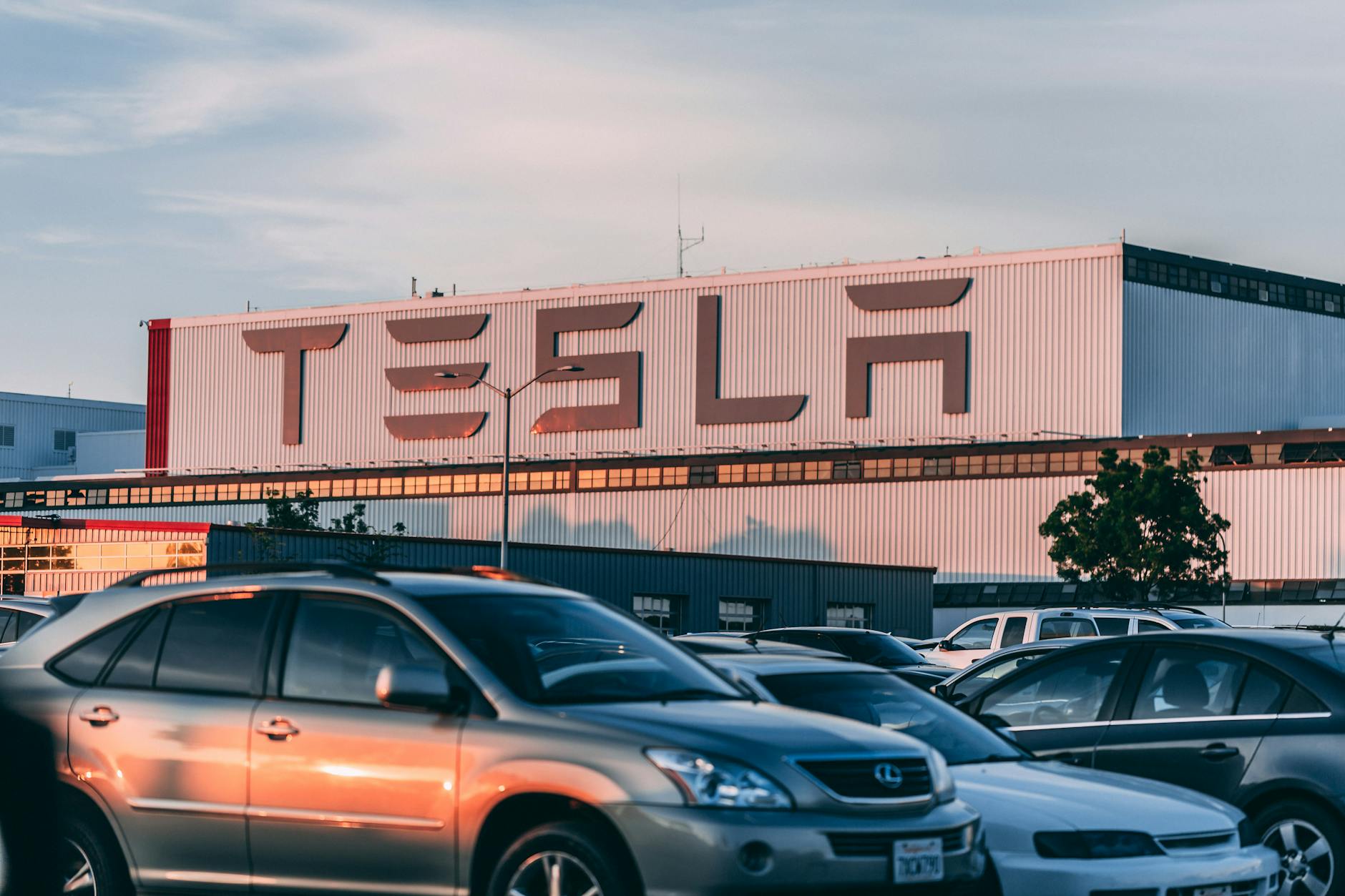
Tesla is reportedly planning a massive push into U.S. solar manufacturing, aiming for up to 100 gigawatts of capacity by 2028. This ambitious move, potentially involving a $2.9 billion purchase of Chinese equipment, could significantly boost America's clean energy independence. However, it also highlights a critical challenge: even as the U.S. seeks to grow its domestic green technology sector, it often relies on foreign supply chains, particularly from China, for essential manufacturing tools. This situation underscores the complex path towards a fully sustainable and localized energy future, emphasizing the urgent need for global collaboration in climate action.
Tesla is reportedly gearing up for a huge leap in American solar manufacturing, with plans to build up to 100 gigawatts of capacity in the U.S. by 2028. This potential $2.9 billion investment in equipment, much of it from Chinese suppliers like Suzhou Maxwell Technologies, shows how serious the company is about making solar a cornerstone of its future. Such a massive undertaking would represent a significant step towards securing a cleaner, more reliable energy future for the nation.
However, this ambition also shines a light on a major hurdle for the U.S. clean energy sector. Despite efforts to build domestic manufacturing, America often depends on Chinese tools and supply chains to make it happen. China currently controls over 80% of global solar manufacturing and offers significantly cheaper modules, making it hard for new U.S. factories to compete without crucial equipment from overseas, Reuters reports. This reliance means that while the U.S. is pushing for green solutions, the journey is deeply intertwined with global trade dynamics, as Wood Mackenzie notes.
The timing for Tesla’s potential move is critical. U.S. electricity demand is on the rise, hitting new records and expected to climb further, partly fueled by the growing needs of data centers and artificial intelligence. Solar power is rapidly expanding to meet this demand, especially in states like Texas, where a large portion of new solar capacity is anticipated. By establishing a substantial solar manufacturing footprint in Texas, Tesla could not only support the grid but also power its own operations, including SpaceX satellites, tying clean energy directly into its long-term growth. This commitment highlights the undeniable advantages of electrification for a sustainable future.
Currently, the U.S. assembles many solar panels but still heavily imports the core components, like solar cells. A large-scale Tesla factory producing both cells and panels domestically could help close this gap, strengthening America's energy independence. While it might seem ironic that the path to a homegrown solar industry requires Chinese machinery, this initiative underscores the urgent, collective action needed to accelerate sustainable solutions worldwide, even if it means leveraging existing global capacities to combat global warming.