Tesla's 2026 FSD Dream Hits European Reality!

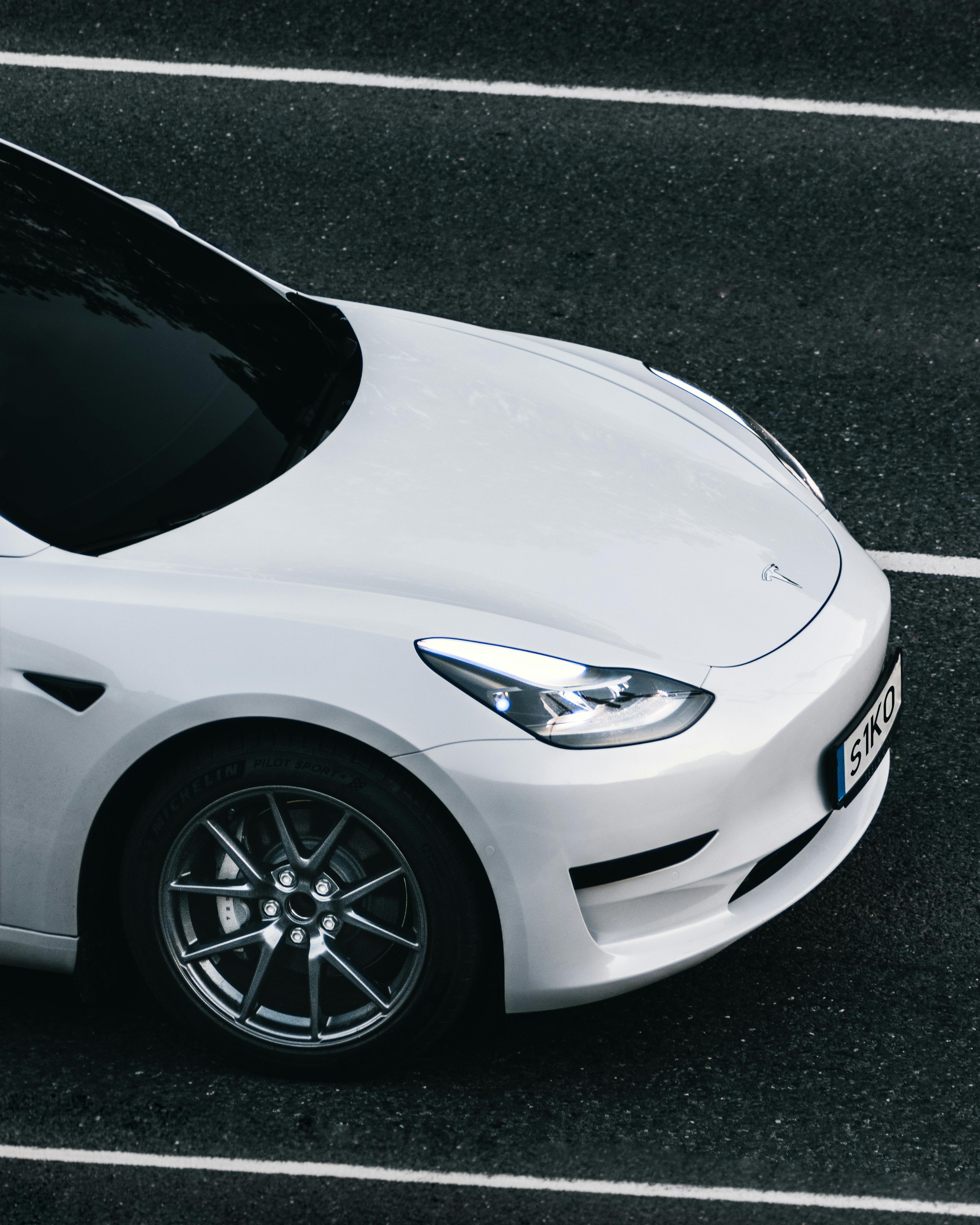
The Dutch vehicle authority RDW has weighed in on Tesla's plans for Full Self-Driving (Supervised) in Europe, confirming a tentative February 2026 goal for regulatory compliance. However, the regulator made it clear that safety, not public enthusiasm, will dictate whether this advanced driving system receives authorization. They also directly addressed Tesla's social media request, asking the public to stop contacting them, as these messages overload customer service and hold no sway over the critical approval process. This decision highlights the stringent regulatory path for new automotive technologies entering the European market.
The Dutch vehicle authority, RDW, has confirmed a tentative February 2026 timeline for Tesla to demonstrate that its Full Self-Driving (Supervised) technology meets Europe's strict safety standards. While this date offers a glimpse into the future of autonomous driving, the RDW stressed that the ultimate decision will be based purely on safety evaluations, not on external pressure. This robust approach underscores the importance of ensuring new automotive features are truly ready for public roads before widespread adoption, marking a critical step for advanced electric vehicle capabilities.
In a direct message to the public, the RDW also addressed Tesla's recent social media appeal for drivers to contact them and express support. The regulator thanked those who had reached out but firmly asked the public to cease these communications, explaining that such messages strain customer service resources and have absolutely no bearing on the official approval process. This clarification ensures the regulatory body can focus its efforts on objective safety assessments, free from public influence, as reported by Teslarati.
For advanced driver assistance systems like FSD that aren't yet covered by existing laws, the path to European approval is comprehensive. It involves a Member State, like the Netherlands, making a formal request to the European Commission for an exemption. If approved by a committee vote, the technology can then be used across all EU countries. However, before any such request can even be made, Tesla must first successfully complete a thorough type-approval process, including rigorous on-road testing, with the RDW. This multi-step process highlights the significant hurdles and meticulous scrutiny new electric vehicle technologies face before they can operate freely across the continent, ensuring they meet the highest safety standards for everyone.