Tesla's Big Shift: An Iconic EV Exits for a New Future [Impact]

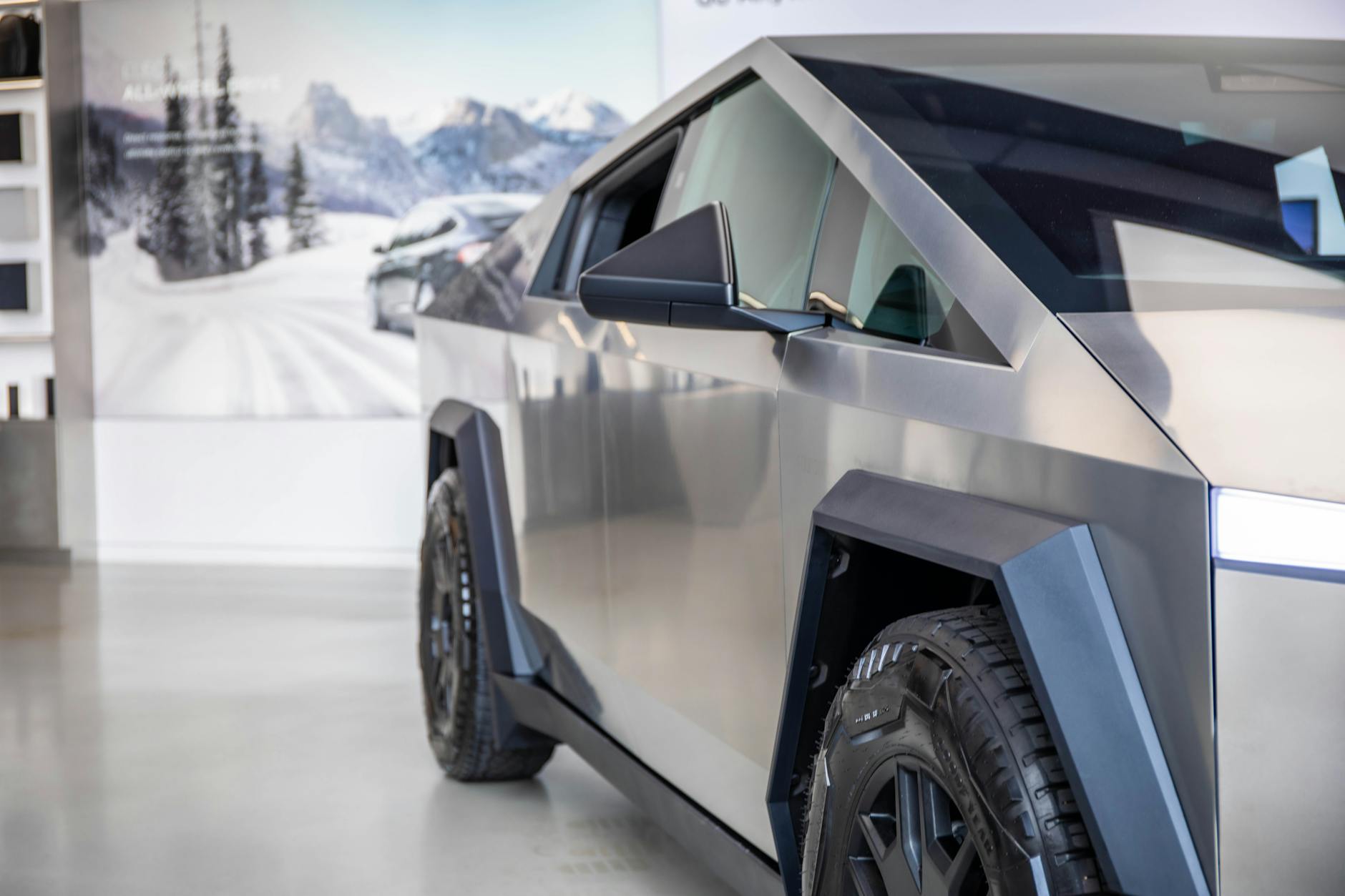
Tesla has announced it will cease Cybertruck production by mid-2027, a surprising move that prioritizes the development of its Cybercab robotaxi fleet. This decision signals a significant shift towards mass sustainable transportation and automated services for the company's future. However, the decision has raised questions, particularly as Tesla continues to accept new Cybertruck orders despite an already overflowing backlog. While aiming to accelerate a cleaner, electric future, this strategy leaves many customers in limbo and creates a void in Tesla's utility vehicle lineup.
Tesla recently revealed plans to wind down Cybertruck production by mid-2027, opting instead to focus entirely on its Cybercab robotaxis. This strategic pivot underscores the company's commitment to transforming passenger transportation through advanced, autonomous electric vehicles. The move highlights a forward-looking vision where sustainable, shared mobility solutions play a central role in urban environments, pushing the boundaries of electrification and environmental efficiency.
However, the announcement has sparked confusion and concern among prospective buyers. Despite admitting that the Cybertruck order rate far exceeds its production capacity, Tesla continues to accept new orders. This situation could lead to widespread disappointment for many customers who place deposits, only to find their orders unfulfilled before the production line closes next year. It’s a puzzling approach that seems to prioritize business strategy over immediate customer satisfaction.
The departure of the Cybertruck also leaves a significant gap in Tesla's vehicle lineup. With only the Model 3 and Model Y remaining for the general public, the company will no longer offer a utility vehicle. This comes at a time when the electric pickup market is expanding with competitors like Rivian, GMC, and Ford introducing their own models. Many observers wonder if Tesla will eventually introduce another large electric vehicle, addressing the growing demand for versatile, sustainable options that cater to work, hobbies, and family needs. Prioritizing electrification across all vehicle segments is crucial for widespread environmental action.
Ultimately, this is a tough business decision for Tesla, aiming to accelerate the future of sustainable transportation through robotaxis. Yet, the lack of clarity regarding future utility vehicles and the handling of existing Cybertruck orders creates a confusing picture for customers and highlights the intense challenges in balancing innovation with market expectations. The importance of making the transition to cleaner technologies, whether through personal vehicles or shared services, remains paramount for addressing global warming.