Tesla's Bold Shift: An Iconic Truck Departs for a New Electric Era

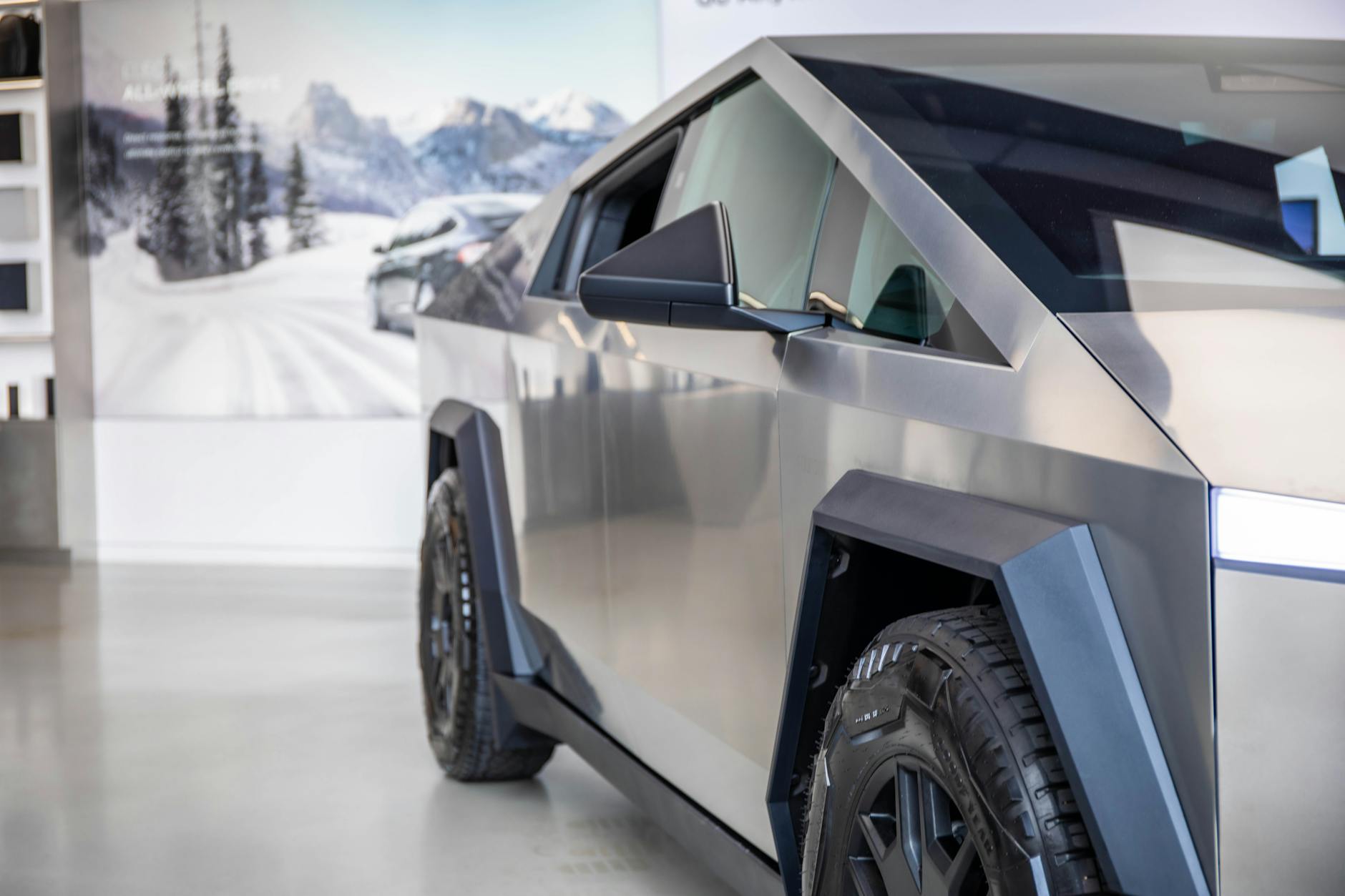
Tesla is set to wind down production of its unique Cybertruck by mid-2027, a surprising move that signals a major pivot for the electric vehicle giant. The company is reportedly prioritizing its Cybercab robotaxi project, a vision for autonomous, shared electric transportation. This strategic shift aims to accelerate a future of reduced personal car ownership and traffic, offering a cleaner, more sustainable approach to urban mobility and addressing urgent climate challenges. However, the decision raises questions about ongoing Cybertruck orders and the company’s product lineup.
Tesla plans to stop manufacturing the Cybertruck in mid-2027 to fully focus on the Cybercab, an autonomous electric ride-sharing service. This strategic choice highlights Tesla's commitment to transforming how we move around cities. By championing shared, electric mobility, the company aims to reduce the number of individual cars on the road, ease traffic congestion, and significantly cut emissions. Such a future is vital for tackling global warming and building more sustainable communities, demonstrating the clear advantages of electrification in urban environments.
Despite the impending end of production, Tesla is still accepting orders for the Cybertruck, which has caused some confusion. This approach means many customers placing deposits now might not receive their vehicles, potentially leading to disappointment. Clarity on how existing orders will be handled is crucial for those eagerly anticipating the distinctive electric truck.
With the Cybertruck's departure, Tesla's lineup for the general public will mainly consist of the Model 3 and Model Y, leaving a gap for utility vehicles. While other manufacturers are stepping up with electric trucks, Tesla is doubling down on its vision for ride-sharing. This firm focus on shared, electrified solutions underlines the broader importance of sustainable transportation models over traditional private vehicle ownership, playing a significant role in collective climate action and environmental protection.
Ultimately, prioritizing the Cybercab makes business sense for Tesla, even if it’s a tough pill for Cybertruck enthusiasts to swallow. This move underscores a strong commitment to a cleaner, more efficient transportation system, moving us closer to a future where electric, shared vehicles are the norm, benefiting both our cities and our planet.