Tesla’s Cheaper Model Y: The Planet Could Be the Winner

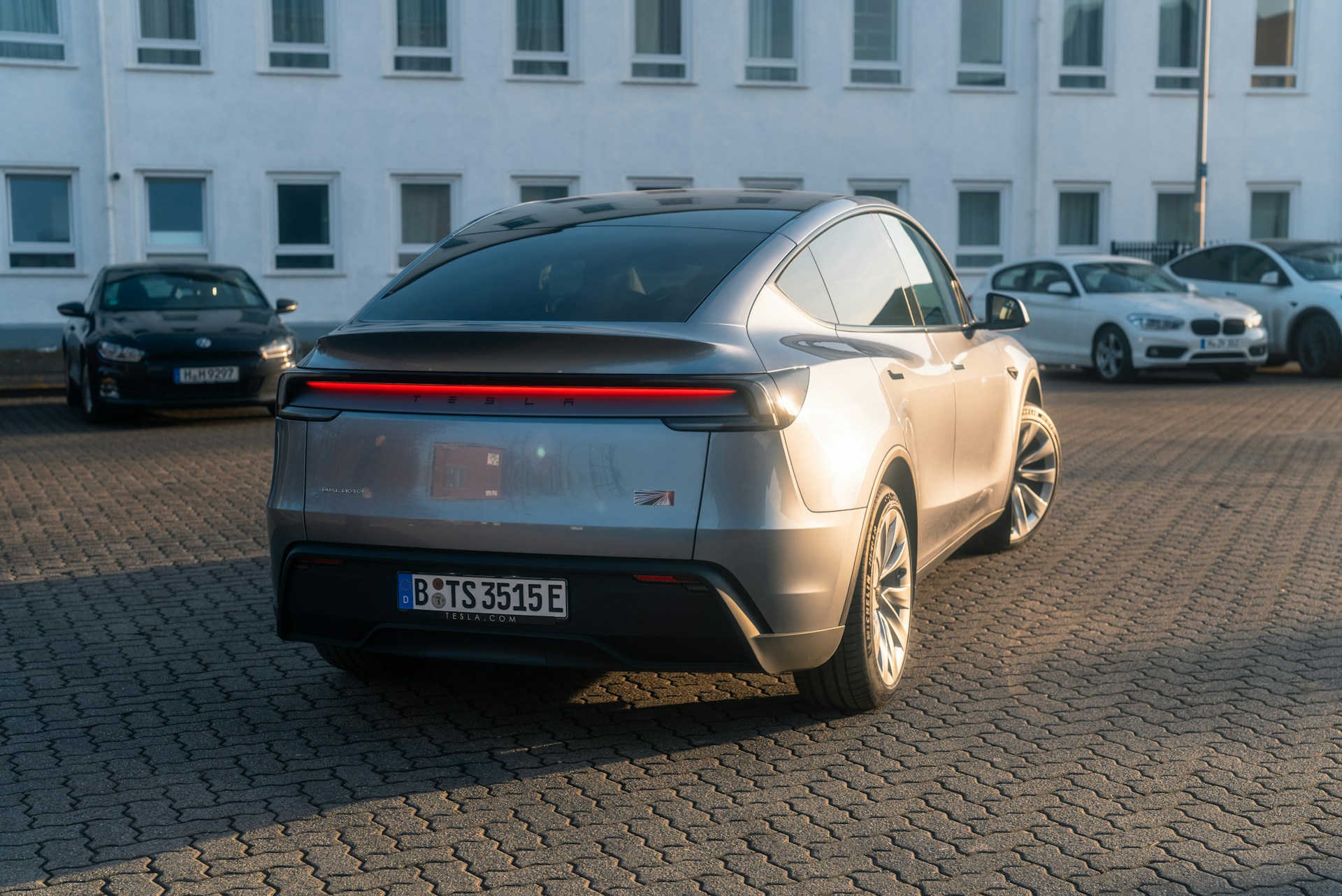
A new report suggests Tesla is preparing a cheaper Model Y variant, codenamed “E41,” after firmware references surfaced online. The leak, amplified by well-known hacker Greentheonly, points to cost-cutting changes such as a metal roof instead of glass, fewer convenience features, and simpler interior hardware, with both RWD and AWD options still expected. If accurate, a lower entry price for the world’s best-selling car of 2023 could speed up the shift from gasoline to electric and meaningfully cut transport emissions. Independent research shows battery-electric cars already have far lower life-cycle emissions than gasoline vehicles, so broadening access could deliver sizable climate gains. The usual caveat applies: firmware clues aren’t final specs.
Tesla’s next big move may be about shrinking the price, not stretching the feature list. According to a new report, references inside company firmware point to a stripped-back Model Y known internally as “E41.” The goal looks simple: make the world’s best-selling vehicle of 2023 more affordable so more drivers can ditch gasoline.
What might change? Clues suggest a metal roof replacing the signature all-glass top, a pared-down interior with fewer lights and switches, and the removal of the rear entertainment screen. Expect simpler seat controls and manually aimed vents, plus basic 18-inch wheels and a less complex suspension. Even exterior conveniences like power-folding mirrors may be gone. At the same time, the car is still tipped to come in both rear- and all-wheel-drive versions, with “special” motor configurations that likely prioritize cost and efficiency. One eyebrow-raiser in the code hints at a missing tire-pressure monitoring system, which is required in many markets—so that line is almost certainly placeholder or incomplete.
Why does this matter for the climate? Because price is the most stubborn barrier to EV adoption. The Model Y already leads the global sales charts, and a lower-cost version would put a proven, mass-market electric car within reach of many more buyers and fleets. Each replacement of a gasoline SUV with a battery-electric model removes tailpipe emissions entirely and slashes lifetime greenhouse gases, especially as electricity grids add more renewables. Put differently: a cheaper Model Y doesn’t just change purchase math—it compounds into cleaner city air and lower CO₂ over millions of kilometers.
There’s a fleet angle, too. Taxis, rentals, and delivery operators tend to favor durability and low running costs over ambient lighting or glass roofs. If E41 trims complexity while keeping Tesla’s core efficiency and charging ecosystem, the total-cost-of-ownership calculus gets even better. That could mean faster turnover of high-mileage vehicles—the ones that deliver the biggest emissions cuts when they go electric.
Still, this is a leak, not a brochure. Firmware breadcrumbs can be early, and details often shift before production. But if the broad direction holds—less frill, lower price—the environmental impact could be outsized. Making the best-selling vehicle on Earth substantially cheaper, while keeping it electric, is one of the fastest ways to bend the transport emissions curve downward.