Tesla's Cybercab Arrives: One Major Thing Is Gone

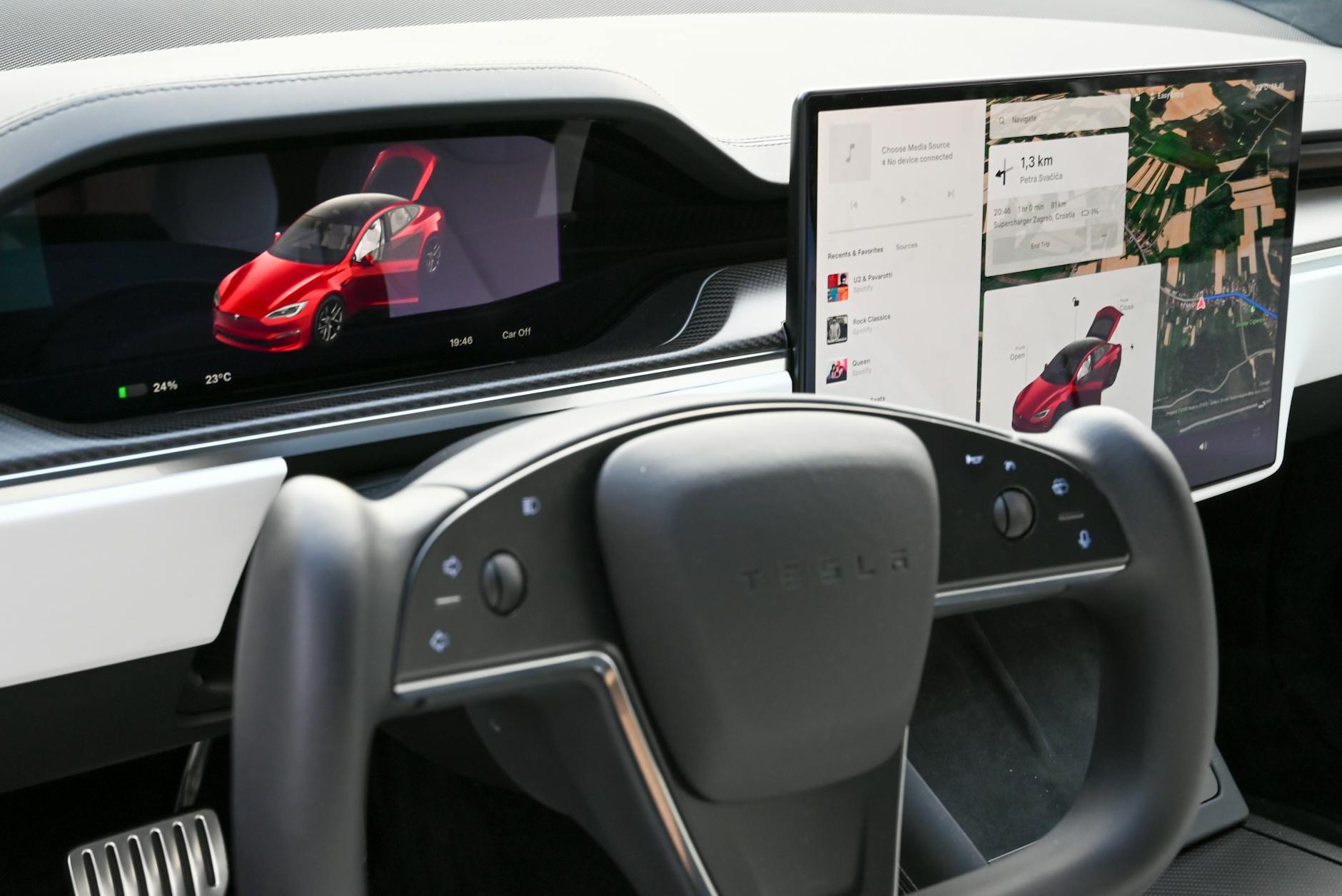
Tesla is preparing to launch its highly anticipated Cybercab this Thursday in Austin, Texas, marking a significant step in the future of transportation. This invite-only event will introduce a vehicle designed to operate entirely without a steering wheel or pedals, offering truly driverless ride-hailing services on public roads for the very first time. The Cybercab represents a groundbreaking stride for Tesla, aiming to redefine urban mobility and advance sustainable solutions by potentially reducing the need for individual car ownership and its associated emissions, paving the way for cleaner, more efficient city transit.
The Cybercab's debut is more than just a new vehicle; it’s a vision of urban travel transformed. This fully electric, autonomous taxi service will navigate city streets, initially within an expanded geofence in Austin, providing a glimpse into a future where personal cars might become less necessary. Imagine a world where transportation is seamlessly integrated, relying on a fleet of efficient, zero-emission vehicles that can optimize routes and reduce congestion.
This pioneering move by Tesla highlights the immense potential of electrification and smart technology in tackling global warming. By shifting away from fossil-fuel-powered individual vehicles towards shared, electric, and driverless options, we take a concrete step towards dramatically lowering carbon emissions and improving air quality in our cities. While the rollout will prioritize safety and likely be gradual, as with any revolutionary technology, the Cybercab’s existence underscores a vital commitment to sustainable solutions. It demonstrates how innovative engineering can lead us toward a cleaner planet and a more efficient, accessible transportation system for everyone, ultimately benefiting our environment and quality of life.