Tesla's Cybercab: Key Answers Still Elusive Post-Q3 Call?

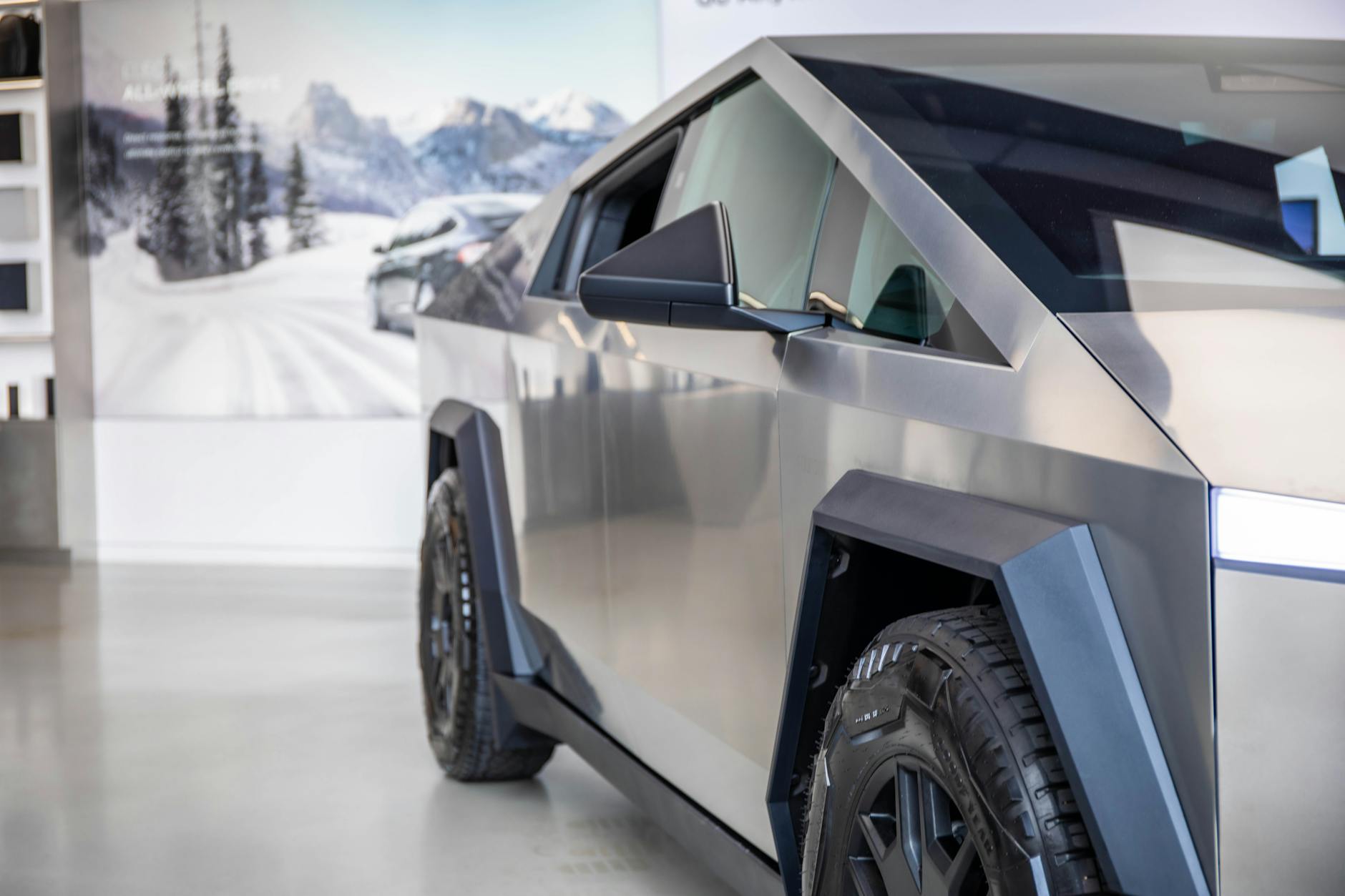
Tesla recently unveiled its Q3 earnings, reporting strong vehicle deliveries that surpassed market expectations. The electric vehicle leader also highlighted a significant increase in energy storage deployments, reinforcing its pivotal role in the global transition to sustainable energy. Investors were particularly focused on updates regarding key initiatives such as the highly anticipated Cybercab robotaxi service and advancements in Unsupervised Full Self-Driving (FSD). These technologies are central to Tesla's vision for an electrified, autonomous future, promising to reshape transportation and substantially reduce carbon emissions.
Tesla's latest Q3 earnings call presented a varied financial landscape, marked by impressive vehicle delivery numbers but ongoing discussions about overall profitability. While the company celebrated a notable surge in energy storage deployments, a positive indicator for the expansion of clean energy solutions, much of the earnings discussion centered on the future of its transformative technologies.
Investors showed keen interest in obtaining further details on the Cybercab robotaxi service, the progress of Unsupervised Full Self-Driving (FSD), and the Optimus humanoid robot. Critical inquiries included the strategy for scaling the Cybercab fleet beyond its initial operations in Austin, how regulatory challenges would be navigated, and, crucially, when this innovative electric vehicle might become available for public purchase or widespread deployment.
These developments are far more than just technological milestones; they represent significant strides toward a dramatically more sustainable world. The widespread adoption of electric, autonomous vehicles like the Cybercab has the potential to revolutionize urban mobility, drastically reduce traffic congestion, and, most importantly, cut down on transportation-related carbon emissions. As global efforts intensify to address climate change, Tesla's advancements in these areas highlight the immense power of electrification and intelligent systems to accelerate environmental progress.