Tesla's Cybercab Line Faces a Unique Production Challenge [Speed]

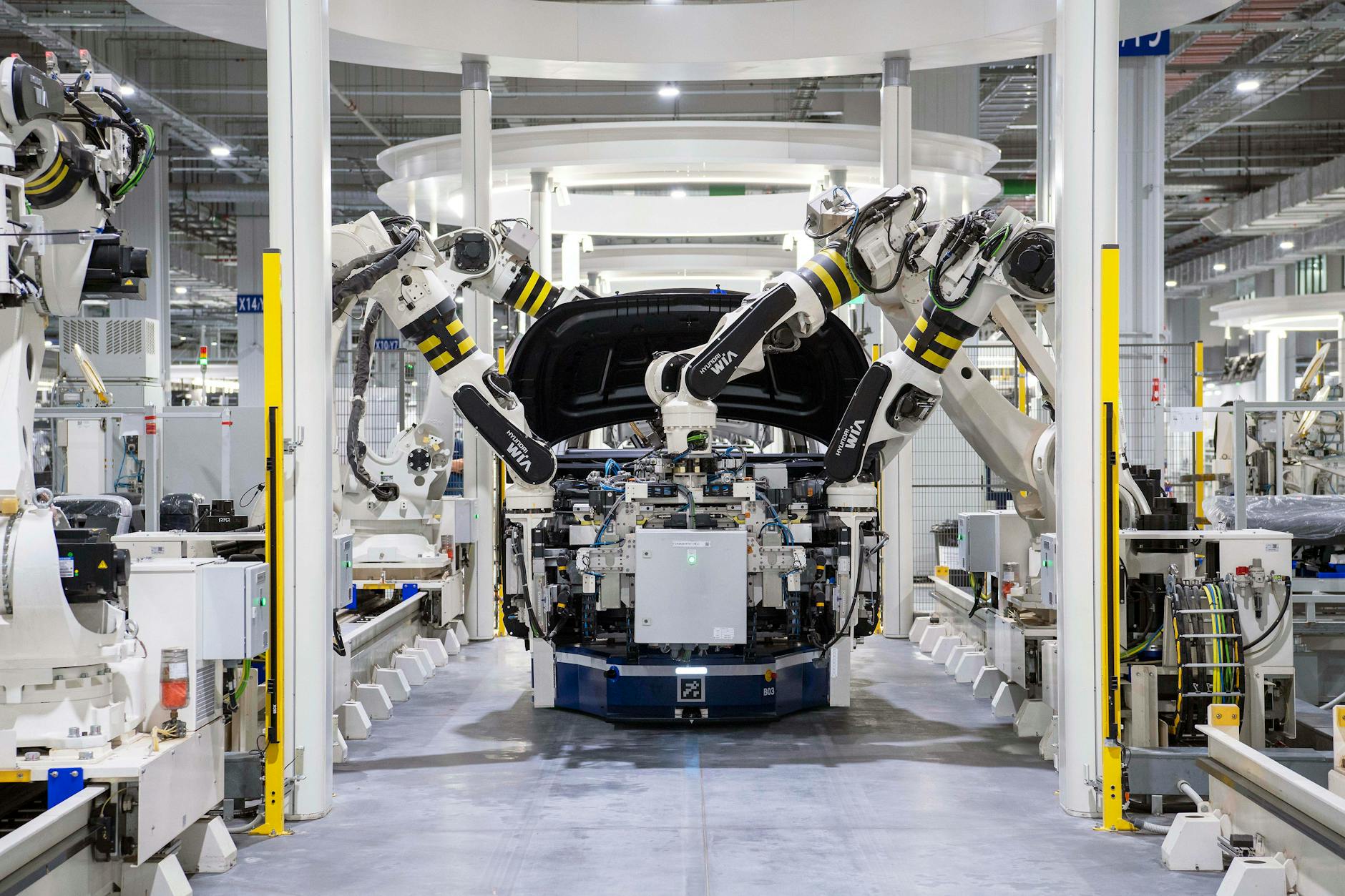
Tesla's ambitious Cybercab robotaxi project is encountering an unusual problem: its advanced manufacturing line is producing vehicles faster than they can be deployed for service. This remarkable efficiency, highlighted in a recent engineering deep dive by Munro Live, showcases Tesla's innovative "unboxed" production process. While these electric robotaxis are built with sustainability and longevity in mind, the current bottleneck lies in getting these clean-energy vehicles into operation, underscoring the complexities of launching new sustainable urban mobility solutions that can transform cityscapes.
Tesla’s Vice President of Vehicle Engineering, Lars Moravy, recently revealed that the Cybercab production line in Texas is running so quickly it's currently outpacing the company's ability to deploy the two-seat robotaxis. This surprising development means the factory doesn't even need to operate daily, already producing more than 125,000 units annually. This incredible efficiency stems from an innovative “unboxed” manufacturing process, where the Cybercab is built in modules that come together on a short, highly automated final assembly line, significantly reducing factory space and labor.
The Cybercab's design prioritizes durability and environmental responsibility. Engineers designed the vehicle to last at least 500,000 miles, crucial for a robotaxi intended for continuous service, thereby reducing the need for frequent replacements. Its production also innovates by largely eliminating the traditional paint shop, with most exterior panels colored during molding—a significant step towards minimizing industrial waste and resource consumption. The advanced battery pack, designed for easy module swapping, further enhances maintainability and extends the vehicle's lifespan, showcasing how electrification, combined with smart design, offers superior, long-lasting solutions compared to fossil-fuel alternatives.
Despite the rapid production, getting these electric robotaxis into widespread service is the current challenge. While more than 50 Cybercabs were used at the Formula 1 weekend in Austin, and hundreds are registered in Texas, these units are currently part of Tesla's own fleet. The company plans to launch Cybercab service in Dallas soon and aims to get vehicles to customers by the end of 2026. This deployment bottleneck highlights that while achieving manufacturing speed for clean energy vehicles is a monumental task, integrating them into public service also requires substantial effort, but the benefits of widespread electric, autonomous transport for reducing emissions and traffic congestion are immense and worth the push for a cleaner future.