Tesla's Cybercab: On Roads, But Regulators Have Questions

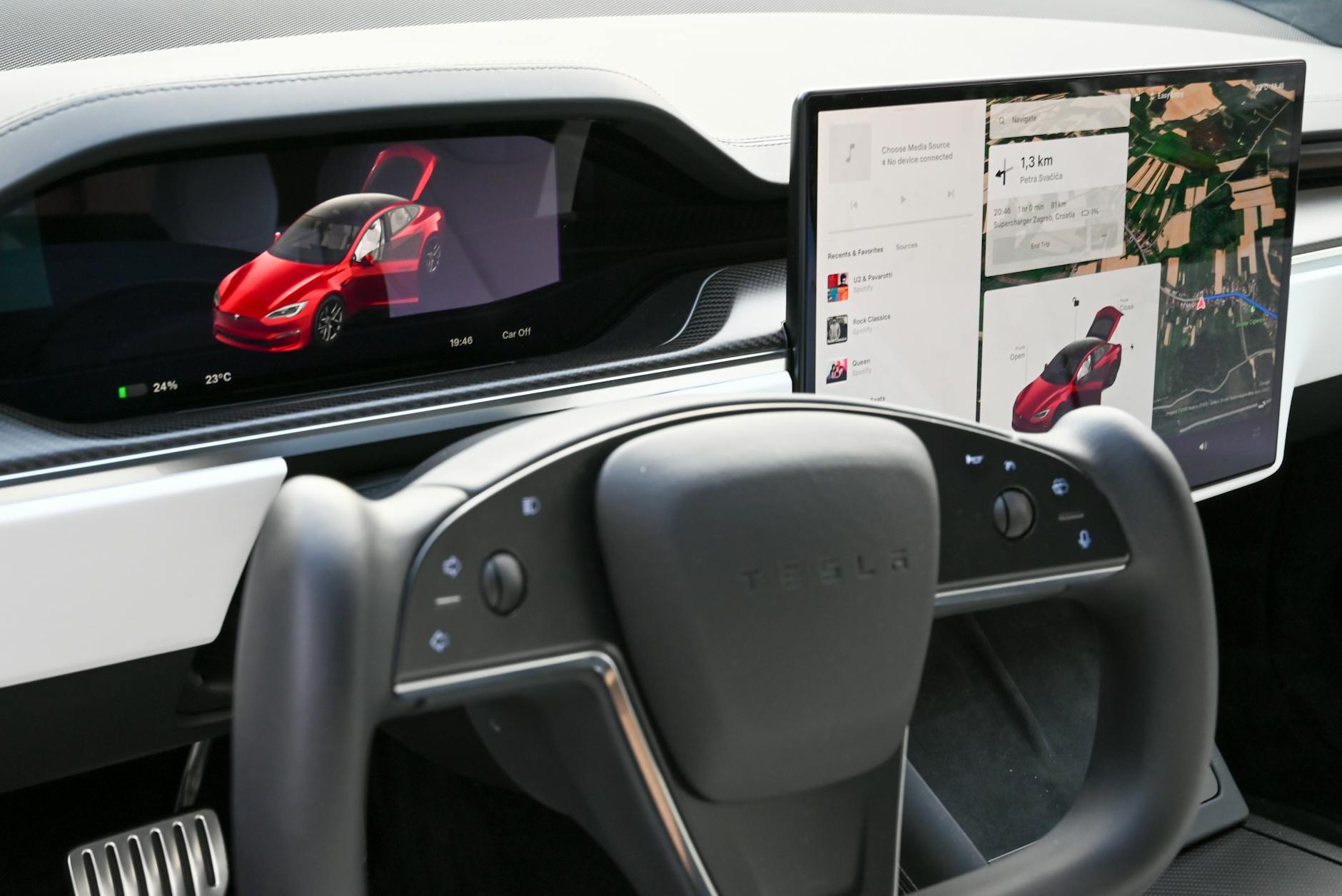
Tesla has launched its groundbreaking Cybercab in Austin, Texas, marking a significant leap into unsupervised self-driving ride-hailing. These all-electric vehicles stand out by entirely lacking traditional manual controls like steering wheels and pedals, pushing the boundaries of automotive design. While promising a cleaner, more efficient urban transportation future, this innovative approach has prompted the National Highway Traffic Safety Administration (NHTSA) to open an inquiry into its safety certification. This move highlights the crucial balance between rapid technological advancement and ensuring public safety in the evolving landscape of electric, autonomous transport.
Tesla recently rolled out its Cybercab in Austin, Texas, introducing a truly revolutionary way to get around. These all-electric vehicles, part of Tesla's Robotaxi platform, are designed to operate completely without a driver, even ditching the steering wheel and pedals. This isn't just a step forward for self-driving tech; it's a giant leap, promising a future of cleaner, more accessible urban travel powered entirely by electricity, reducing our reliance on fossil fuels.
Naturally, such a groundbreaking change has caught the eye of regulators. The National Highway Traffic Safety Administration (NHTSA) has initiated an Audit Query to understand how Tesla certified these unique vehicles as safe. They want to examine the data and processes Tesla used, especially since the Cybercab operates without the familiar manual controls. Rather than a setback, this inquiry is a crucial part of integrating advanced technologies safely, ensuring that these electric marvels benefit everyone without compromising protection.
Tesla has already deployed 45 Cybercab units, and the information gathered from these initial operations will be vital. Sharing this data with NHTSA is key to building trust and paving the way for wider deployment across cities. This collaboration ensures that as we move towards a future dominated by electric, self-driving cars, safety remains paramount. Embracing such sustainable solutions is essential for tackling climate change, offering a glimpse into how innovative, clean transportation can shape a healthier planet for all.