Tesla's Cybercab Skips a Huge Cost. [Here's Why]

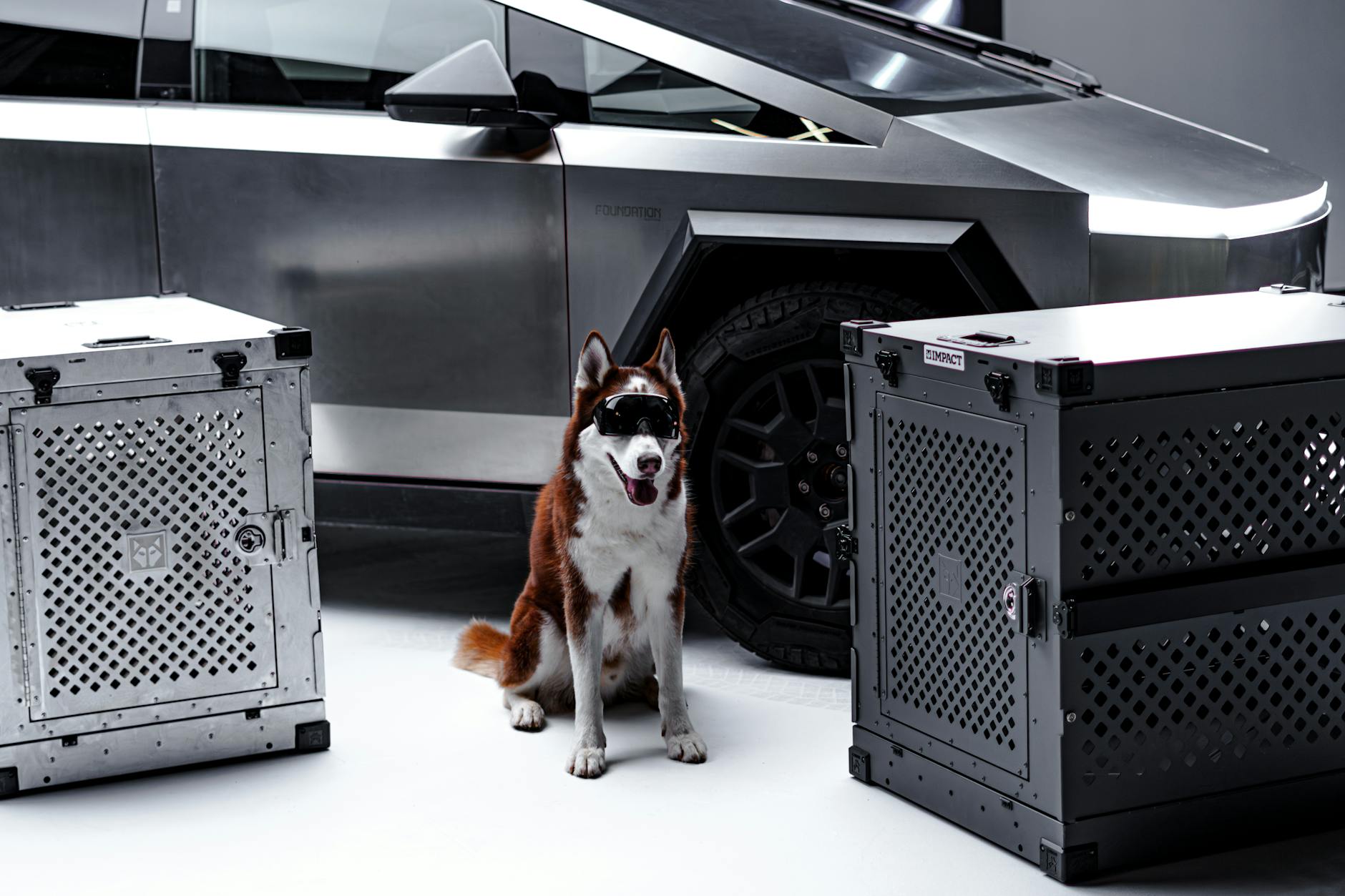
Tesla is set to revolutionize car manufacturing with its upcoming Cybercab, an autonomous vehicle designed for efficiency and sustainability. A key innovation involves entirely skipping the traditional paint shop, a major cost and environmental burden in vehicle production. This bold move significantly slashes factory costs, reduces floor space needs, and eliminates harmful volatile organic compound emissions. By rethinking fundamental processes, Tesla aims for a greener, more streamlined path to mass-producing electric vehicles.
Tesla's Cybercab is poised to redefine how cars are made by challenging one of the auto industry's most expensive and resource-intensive steps: painting. Instead of a conventional paint shop, which costs hundreds of millions and takes vast amounts of space, the Cybercab uses specialized materials and an innovative coloring method. This radical shift not only cuts factory complexity and cost but also drastically reduces the environmental footprint of vehicle production, as explained by Tesla Vice President Lars Moravy, detailing how Cybercab production at Giga Texas radically streamlines the process.
The secret lies in the materials and process. Cybercab's body panels are crafted using reaction injection molding (RIM), where color is mixed directly into a polyurethane resin as it’s injected. This means panels emerge from the mold already colored with a premium finish, avoiding issues like "orange peel" or inconsistent paint application. Furthermore, the aluminum alloys used are designed not to corrode, eliminating the need for a protective coating on most parts. This contrasts sharply with vehicles like the Model Y, which undergo a full coating and painting process in traditional setups. Even scratches can be managed with compatible coatings that effectively mimic paint, making repairs simpler.
This manufacturing breakthrough yields substantial gains. By removing the traditional paint shop and adopting an "unboxed" modular assembly, Tesla cuts the factory floor space per vehicle by about 50 percent. Crucially, this method also eliminates the volatile organic compound (VOC) emissions typically linked to conventional spray painting. It's a clear example of how questioning old requirements can lead to more efficient, cleaner, and sustainable solutions, pushing us closer to a future where electric vehicles are produced with minimal environmental impact and at a lower cost, benefiting everyone.