Tesla's Cybercab Unveiled: Who Gets the Wheel-Free Ride?

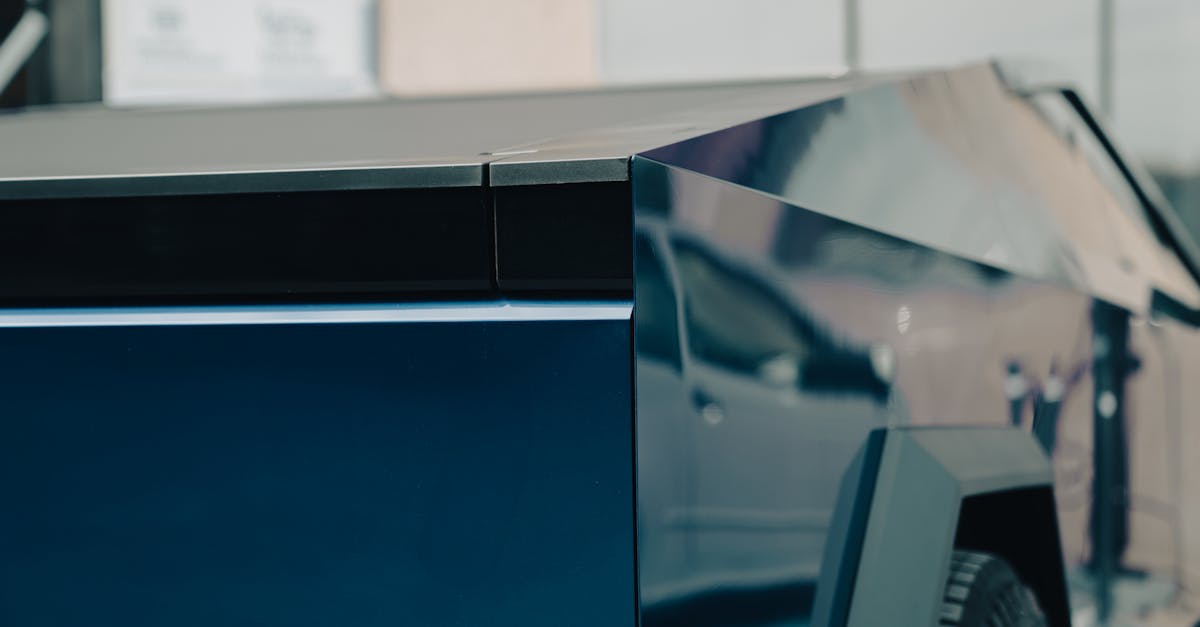
Tesla is making waves with the announcement that its two-seater, steering wheel-free Cybercab will soon be available for purchase by "select customers." Priced at $29,990, it marks Tesla's most affordable vehicle to date, though it requires a monthly autonomous driving subscription to operate. This move could be a significant step towards personal ownership of a Level 4 autonomous vehicle, pushing the boundaries of electric, self-driving transportation. While initially limited to specific areas and hand-picked buyers, it represents a notable stride in clean mobility.
Tesla has officially begun inviting "select customers" to order its innovative Cybercab for personal use, a groundbreaking move in the autonomous vehicle space. This compact, two-seater vehicle stands out by completely removing the steering wheel, signaling a future where driving is truly hands-off. It's set to be Tesla's most affordable vehicle at $29,990, but operating it will require an additional $299 monthly subscription for the autonomous driving feature, with the first month offered free. Deliveries could begin as early as next month.
However, there are initial limitations to this exciting development. The Cybercab will only function in "supported service areas," meaning it won't be operational nationwide at launch. Furthermore, availability is restricted to a carefully chosen group of buyers. While it's unclear when or if sales will expand to the general public, the prospect of owning a car capable of Level 4 self-driving without supervision marks a huge milestone for both the automotive industry and Tesla's long-standing vision.
For years, Tesla CEO Elon Musk has promised to bring autonomous cars into the hands of everyday people, a deadline that has seen several delays. Currently, most driverless vehicles are part of ride-hailing fleets operated by companies like Waymo and Tesla itself, through its existing Robotaxi service in cities like Austin and Miami. The personal Cybercab, advertised as "fully autonomous," will allow owners to manage their vehicle and rides directly through the Tesla app. This electrification push underscores a broader shift towards sustainable transport, offering a glimpse into a cleaner, more autonomous future where vehicles are not just electric but also self-sufficient, reducing the human footprint on the environment.