Tesla's Cybertruck Exit: What Does It Mean for the Future?

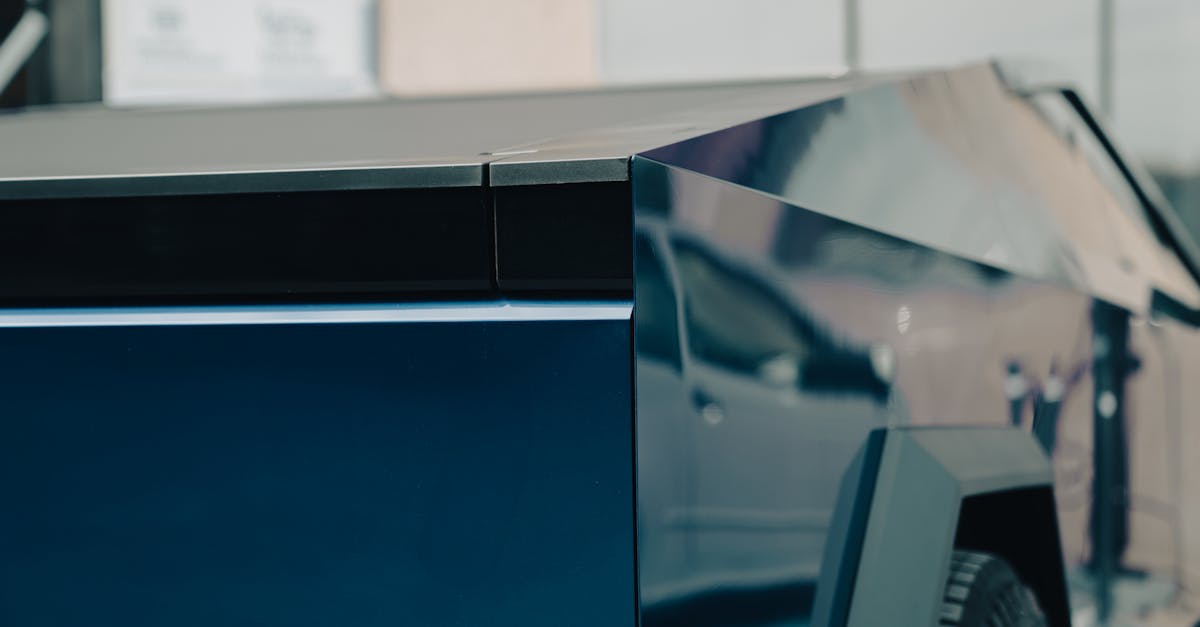
Tesla recently announced a significant strategic shift, planning to cease Cybertruck production by mid-2027. This decision, conveyed by Elon Musk, aims to prioritize the development of the Cybercab, Tesla's anticipated robotaxi service. While the move has sparked confusion, particularly regarding continued Cybertruck orders, it underscores Tesla's commitment to advancing its vision for the future of electric, autonomous transportation. This pivot highlights a re-focus on potentially more sustainable, high-volume mobility solutions over individual vehicles.
Tesla is set to wind down its Cybertruck production by mid-2027, a decision Elon Musk says is to prioritize the Cybercab. While the company views this as a vital step for its future in passenger transport, many questions remain, especially since Tesla is still accepting Cybertruck orders despite a stated backlog that exceeds its remaining production capacity. This situation has led to concern among prospective buyers who may not receive their trucks, creating confusion about the company's customer service strategy.
The unexpected move leaves a gap in Tesla's vehicle lineup, with no utility vehicle available to the general public, only the Model 3 and Model Y. This decision diverges from consumer demand for diverse electric vehicle options, including full-size SUVs or pickups, which rival manufacturers are actively pursuing. It suggests a strong focus on shared mobility solutions rather than traditional personal or work vehicles.
Despite the immediate disruption and customer frustration, this strategic shift by Tesla emphasizes a larger commitment to electrification and sustainable solutions. By dedicating resources to Cybercab, Tesla aims to accelerate the adoption of electric, autonomous ride-sharing, which could offer significant environmental benefits through reduced individual car ownership, optimized routes, and lower carbon emissions. This move underscores the urgency of transitioning to cleaner technologies and collectively rethinking our transportation systems to achieve a more sustainable future.