Tesla's Electric Semi: Unveiling Tomorrow's Green Freight

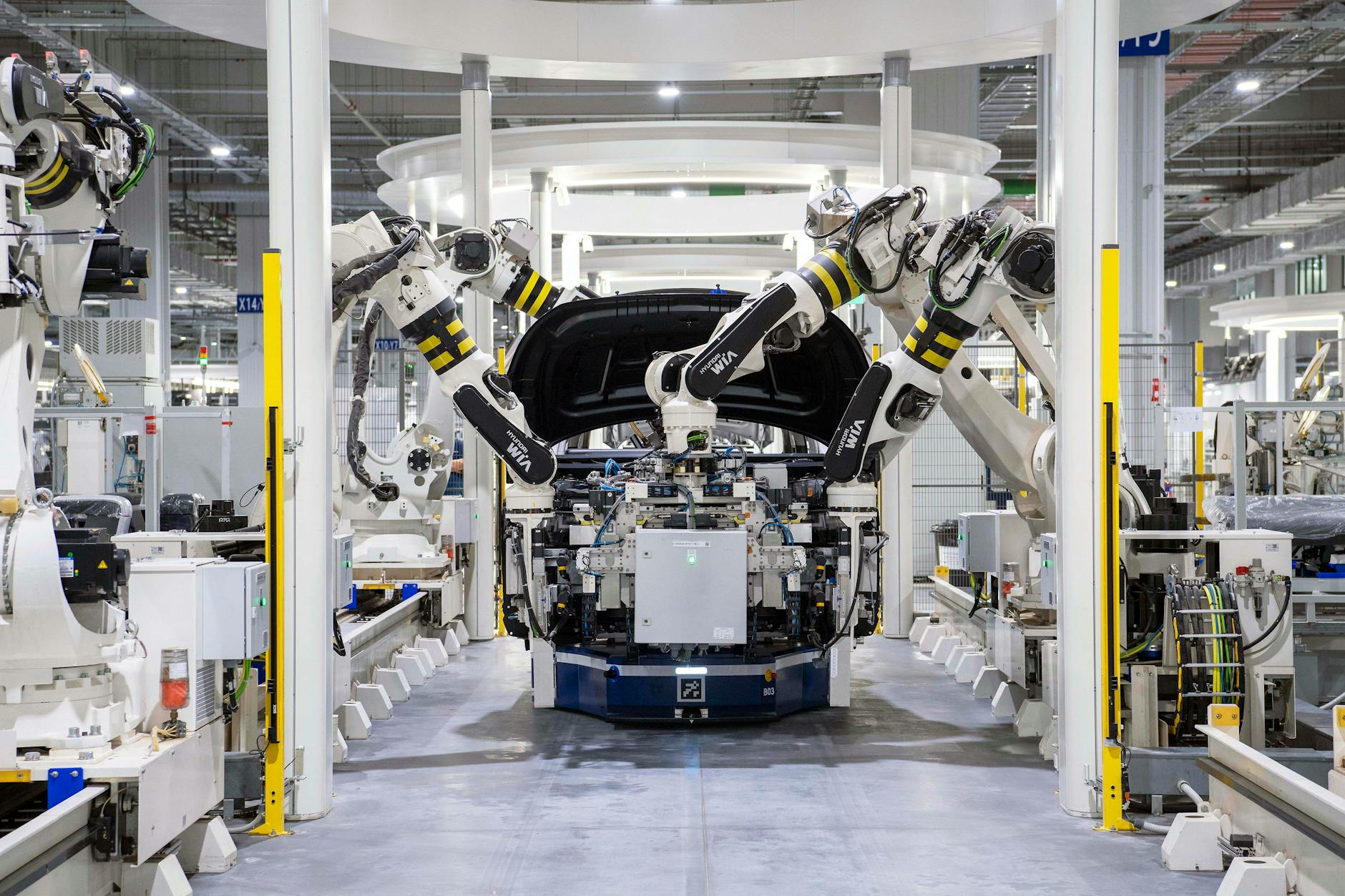
Tesla is making huge strides in electric vehicle manufacturing with its new Semi truck factory in Nevada. This state-of-the-art facility, spanning 1.8 million square feet, is designed to churn out 50,000 electric trucks annually, marking a significant leap toward sustainable transportation. At its core is an innovative, fully automated system for handling 4680 battery cells, aiming for a "zero human touch point" process from production to assembly. This ambitious plan not only promises to speed up the delivery of crucial electric fleets but also underscores a vital commitment to cleaner logistics and a healthier planet.
Tesla is pushing the boundaries of vehicle production with a groundbreaking, automated pipeline for its all-electric Semi trucks. The core of this innovation lies in the handling of 4680 battery cells, which are key to the Semi's performance and come all the way from Giga Texas. The goal is to move these cells directly into the new Semi Factory in Sparks, Nevada, with minimal human intervention, creating an incredibly efficient, closed-loop system.
This dedicated plant in Nevada is a game-changer, built to produce up to 50,000 electric trucks each year. Moving to the advanced 4680 battery cells has been a crucial step, allowing Tesla to maintain the Semi's impressive range while making high-volume production a real possibility. This means more electric trucks on the road, directly helping to reduce harmful emissions from commercial transport.
The "zero human touch point" ambition extends beyond just battery handling. Tesla has redesigned many factory processes, using cutting-edge electric monorail systems and replacing traditional paint with powder-coating. This level of automation aims to reduce labor, minimize damage, and tighten quality control, especially for components as vital as the battery. It's a clear demonstration of how advanced manufacturing can accelerate the transition to sustainable solutions.
Leading companies like PepsiCo and DHL are already lining up for these trucks. As production gradually scales up, the success of this highly automated approach will further prove Tesla's vision for making electric solutions outperform traditional fossil-fuel alternatives, paving the way for a cleaner, more efficient future for global logistics and supporting urgent climate action.