Tesla's Historic Move: What It Means for Older EVs

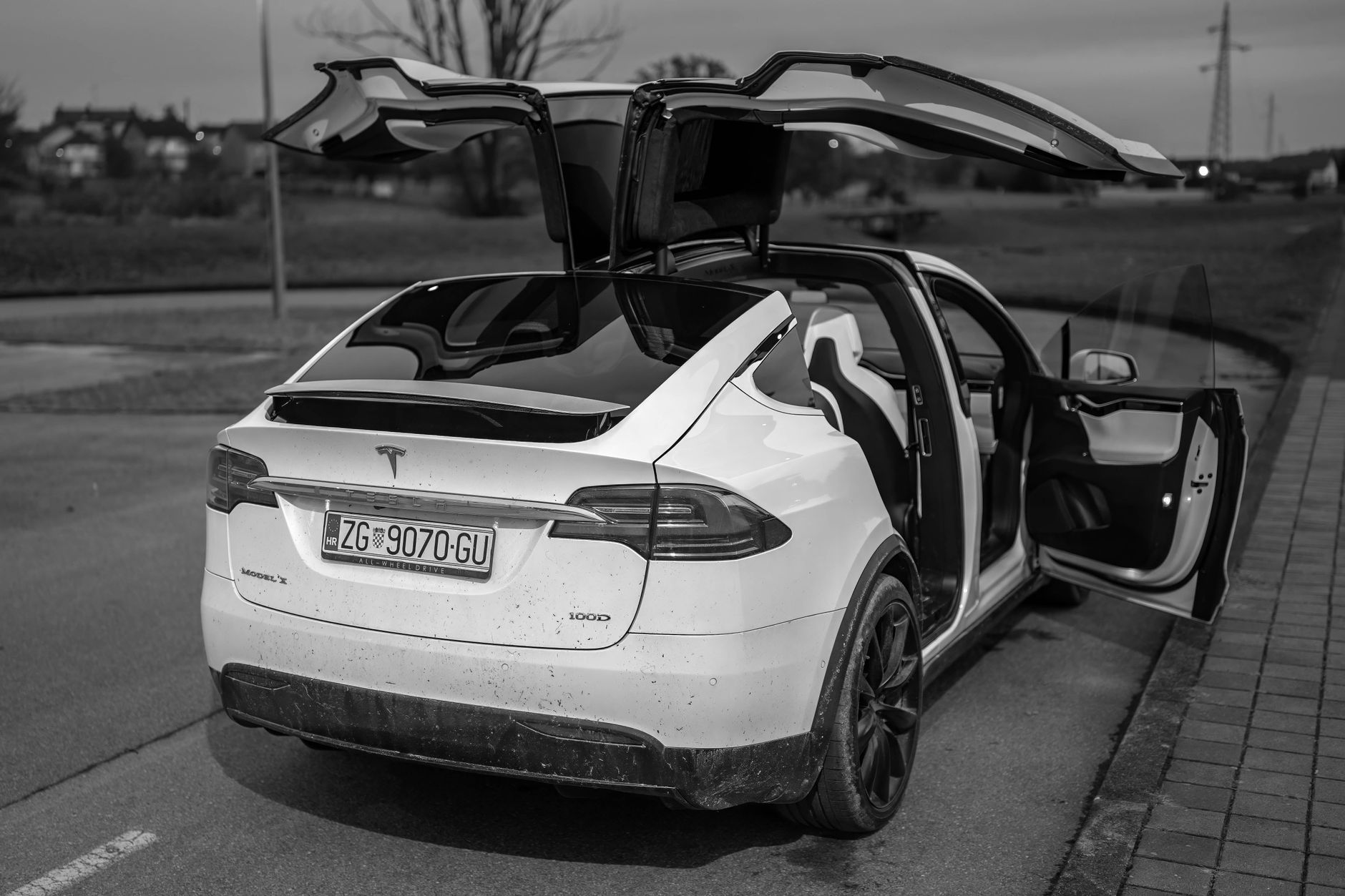
Tesla recently made a significant announcement: the designs and software for its pioneering Model S and Model X are now fully open source. This move comes after production of these flagship electric vehicles, which redefined the EV market, concluded earlier this year. Following a similar step with its original Roadster, Tesla aims to empower owners, independent repair shops, and engineers. By sharing this detailed knowledge, the company advances its mission to accelerate sustainable transportation and ensure these influential EVs remain relevant for years to come.
Tesla CEO Elon Musk recently shared a groundbreaking decision, announcing that the designs and software for the iconic Model S and Model X electric vehicles will now be fully open source. This follows a similar commitment made previously for the original Roadster, demonstrating Tesla's dedication to open innovation.
The Model S, launched in 2012, was a game-changer, proving that electric cars could be luxurious, fast, and offer impressive range, effectively kickstarting widespread interest in high-performance EVs. Its successor, the Model X, introduced in 2015, continued this legacy with innovative features like falcon-wing doors and advanced safety, cementing Tesla's leadership in the rapidly evolving electric vehicle space. Both models were crucial in popularizing long-range battery-electric vehicles, showcasing a cleaner, more efficient way to travel and significantly reducing reliance on fossil fuels.
With production of the Model S and Model X having concluded earlier in 2026, this open-source release offers immense benefits. Owners will find it easier and more affordable to repair and modify their vehicles, extending their lifespan. Independent repair shops can now access the tools and documentation needed to service these cars, supporting a large existing fleet and promoting a circular economy around these vehicles. This move accelerates broader progress in electric mobility, allowing engineers worldwide to study Tesla's pioneering battery and powertrain systems. By openly sharing this knowledge, Tesla reinforces its mission to advance sustainable transport, helping to fight climate change by fostering innovation across the entire industry. This approach not only supports early adopters but also ensures that these influential vehicles continue to contribute to a greener future for many years to come, extending their impact far beyond their production years.