Tesla's Latest FSD Update: A Puzzling Step Back?

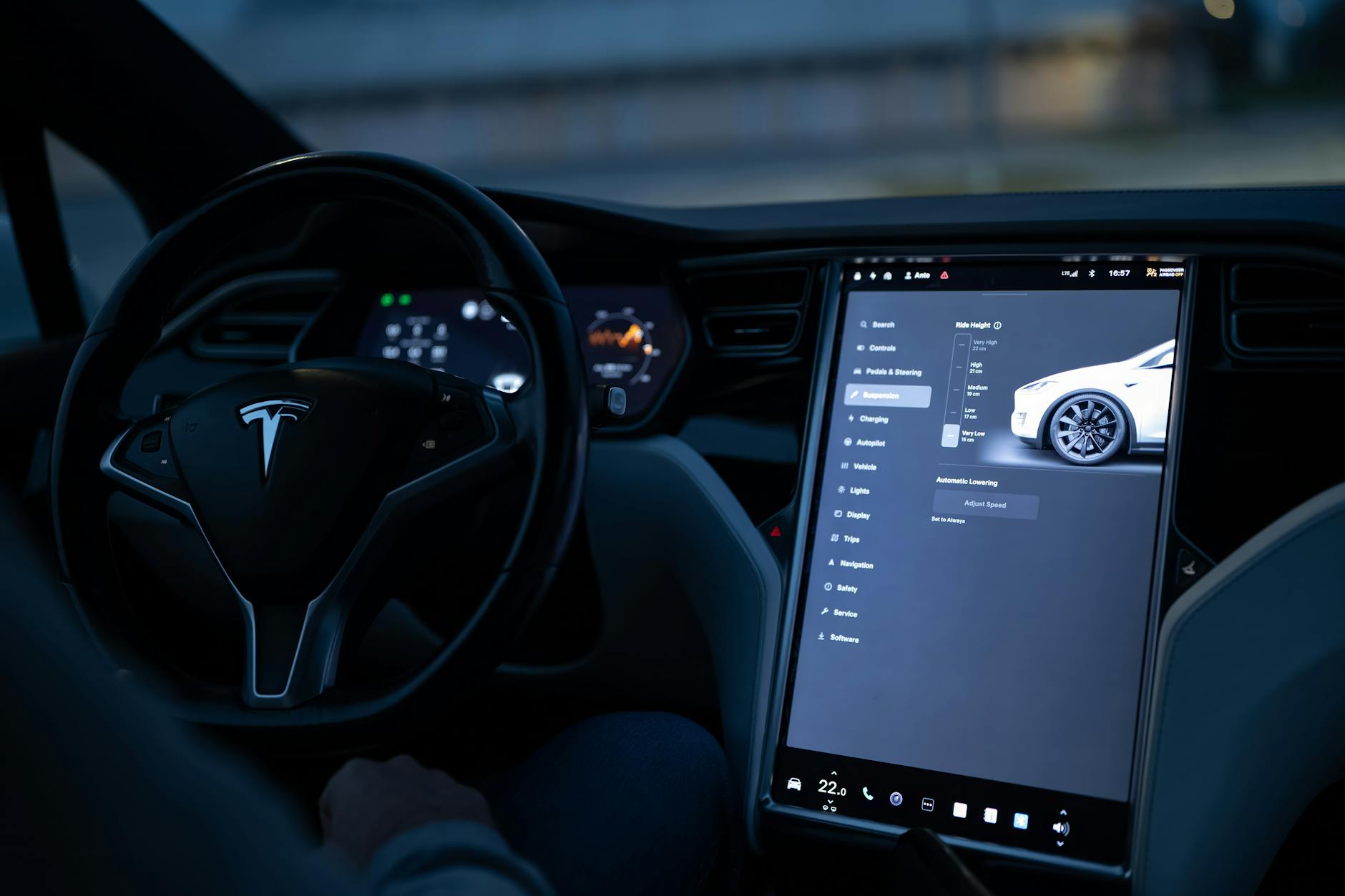
Tesla recently rolled out its Full Self-Driving (FSD) software version 14.3.6, bringing a mix of exciting advancements and frustrating regressions for drivers. While previous updates were met with widespread praise, this latest iteration has sparked debate among users. Key concerns include the system overriding manual turn signal inputs and showing hesitancy in some turns. However, the update also delivers promising improvements, like resolving sudden "bird braking" and potentially learning individual driver preferences, pushing forward the vision of smarter, cleaner transportation.
The new FSD 14.3.6 software from Tesla has drivers talking, with some unexpected changes making the experience feel less refined than previous versions. A major point of contention for many users is the system's tendency to disregard manual turn signal inputs. This means if a driver tries to signal a lane change or turn, the car might simply turn the signal off, choosing its own path instead. For those who rely on FSD as a "supervised" system, this can be incredibly frustrating, feeling like a step away from intuitive driver control and trust in the technology.
Another observed issue involves FSD's behavior when turning onto multi-lane roads. Drivers have noted that the car can seem indecisive, making hesitant steering movements before confidently selecting a lane. This jittery behavior is a step back from the smoother operation seen in some earlier versions of the software.
Despite these challenges, the update isn't without its silver linings. A welcome improvement is the apparent resolution of "bird braking," where the car would sometimes brake suddenly due to minor distractions like a bird flying past. This fix enhances both safety and passenger comfort. Even more exciting is the possibility that FSD 14.3.6 is starting to learn individual driver preferences. Reports suggest the system is now recognizing preferred parking spots and familiar entrances, a feature long anticipated by Elon Musk and teased for future Summer Updates. This personalized touch could make self-driving truly revolutionary, making electric vehicles even more seamless to use.
These ongoing updates highlight the dynamic nature of developing cutting-edge autonomous technology. While there are bumps in the road, each iteration moves us closer to a future where electric vehicles are not just clean, but also incredibly smart and responsive to our needs, ultimately contributing to a more sustainable world.