Tesla's latest recycling data reveals a surprising environmental win

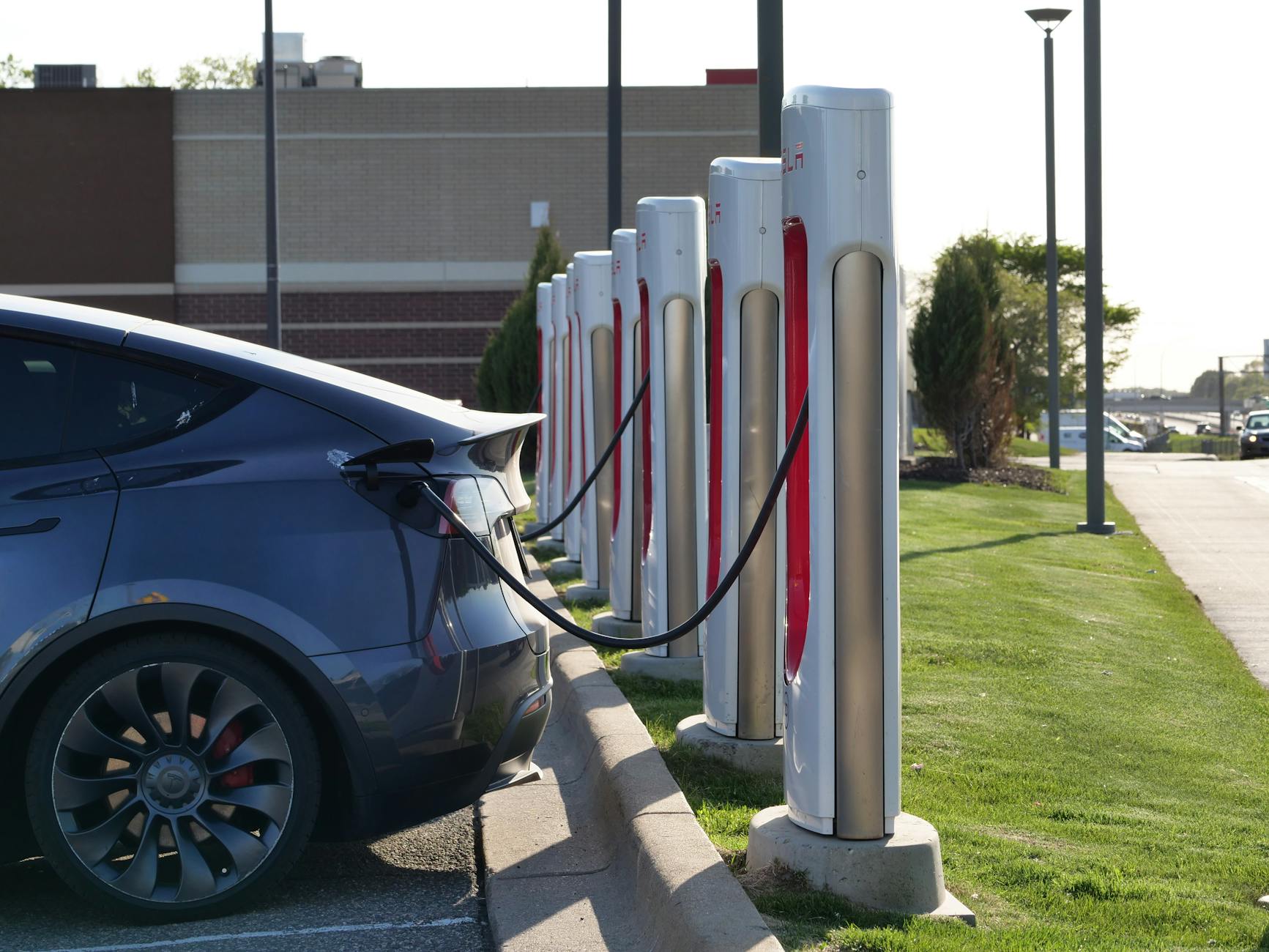
Tesla achieved a significant milestone last year by increasing its battery recycling efforts by 20 percent. The company recycled over 14,000 metric tons of battery material, an amount sufficient to produce around 46,000 new long-range battery packs. This impressive growth highlights Tesla's dedication to creating a circular economy, minimizing waste, and reducing the environmental footprint of electric vehicles. These strides are crucial for accelerating the shift to sustainable transportation and ensuring a cleaner future.
Many worry about the environmental impact of electric vehicle batteries, but Tesla is showing a clear path forward. Last year, the company made remarkable progress, increasing its battery material recycling by 20% compared to the previous year. This means over 14,000 metric tons of valuable materials were recovered, which is enough to make about 46,000 new long-range battery packs.
Tesla views battery recycling as a key part of its strategy to reuse materials. Batteries are designed to last a long time, and the company focuses on repairs and finding second lives for them before full recycling. When a battery pack is finally decommissioned, Tesla ensures 100% of its materials are recycled, preventing anything from going to landfills. This process reclaims important metals like lithium, nickel, cobalt, and copper, ready for new battery production.
Using advanced recycling methods, Tesla can recover up to 98% of these critical metals. These techniques are better for the environment than older methods, using less energy and producing purer materials for reuse. By working with both its own facilities and specialized partners, Tesla has built a strong system for handling both factory waste and old vehicle batteries.
The benefits are huge for our planet and economy. Recycling means less need for new mining, which in turn lowers the carbon footprint linked to getting raw materials. It also helps secure supplies of these vital minerals as more and more people choose electric cars. As millions of Tesla vehicles continue to hit the road and eventually age, the amount of material available for recycling will only grow. This commitment shows how sustainable practices are not just good for the environment, but also essential for the long-term success of electric mobility.