Tesla’s ‘MEGAPOD’ hints at a big future shift for AI

Tesla has filed a trademark for ‘MEGAPOD,’ signaling a major step in its artificial intelligence strategy. This new trademark describes self-contained, modular hardware systems designed specifically for AI computing, integrating servers, networking, power, and cooling. Similar to its Megapack energy storage units, 'MEGAPOD' could enable scalable and rapid deployment of AI infrastructure. This move aligns with Tesla's ambitious plans, including projects like "Digital Optimus" and the broader integration of AI into its vehicles and Supercharger network.
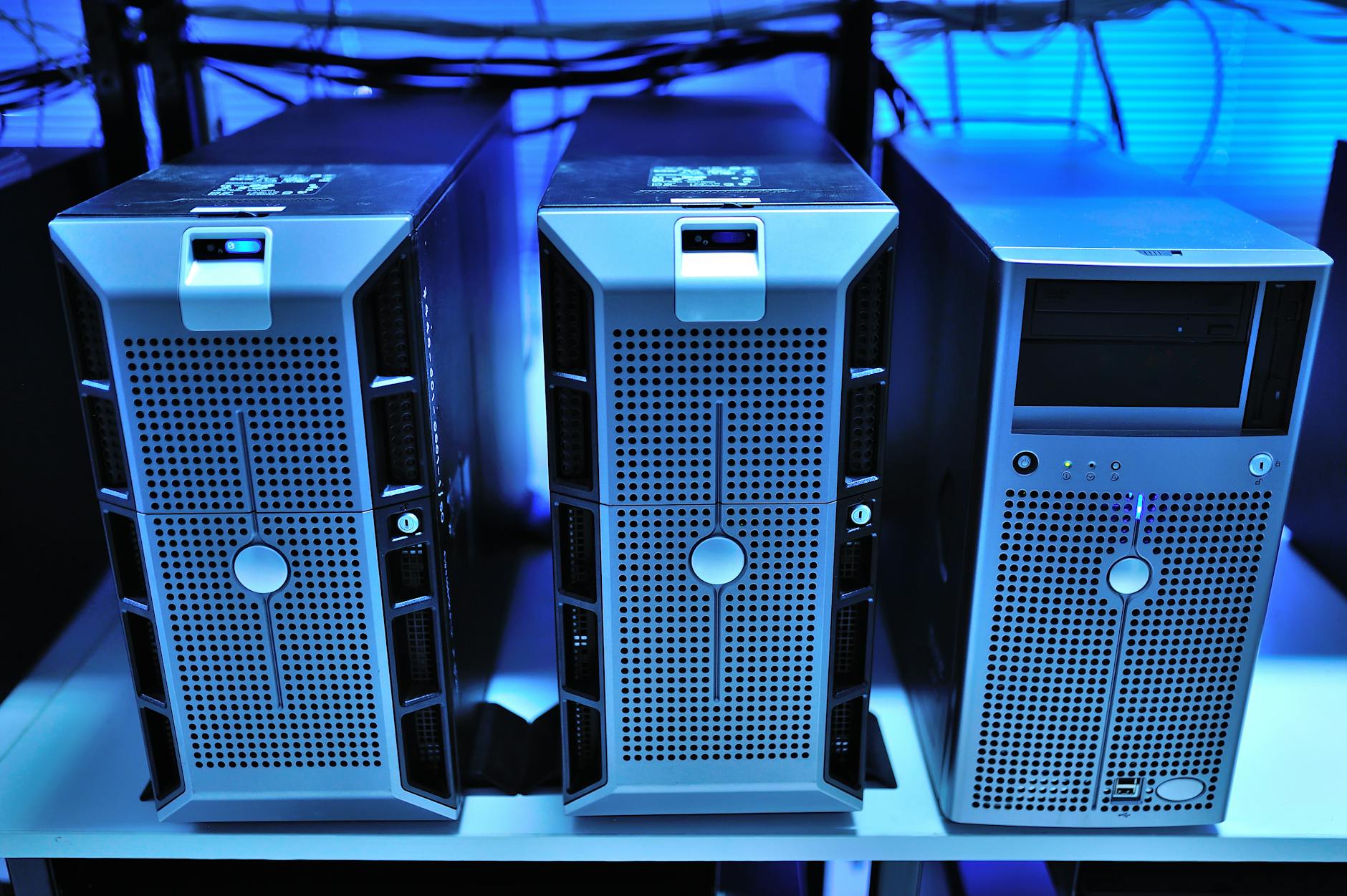
Tesla recently secured a trademark for 'MEGAPOD' with the United States Patent and Trademark Office, revealing its intentions to develop advanced modular systems for artificial intelligence. The trademark application describes these 'MEGAPOD' units as complete, self-contained hardware systems built for intense AI workloads, bundling together computer servers, specialized AI processors, networking gear, power distribution, and even cooling systems.
This isn't Tesla's first foray into modular hardware; their successful Megapack battery storage units have already proven the concept for grid applications. The 'MEGAPOD' follows a similar principle, but for computing power. This development is crucial as Tesla pushes its AI ambitions, notably with projects like "Digital Optimus"—a joint effort with xAI for AI agents handling complex digital tasks. These agents are envisioned to run on Tesla's AI4 hardware, leveraging both parked vehicles and the vast electrical capacity available at Supercharger stations.
A modular platform like 'MEGAPOD' would allow Tesla to quickly deploy AI computing resources wherever needed, whether for training models with its Dojo supercomputer or enabling AI tasks closer to the source, reducing reliance on massive central data centers. This innovative approach could pave the way for smarter infrastructure and more efficient operations across various sectors, pushing forward the kind of technological progress that can support a more sustainable future by optimizing energy use and enhancing autonomy.