Tesla's New Emergency Escape: A Controversial Choice for EV Drivers?

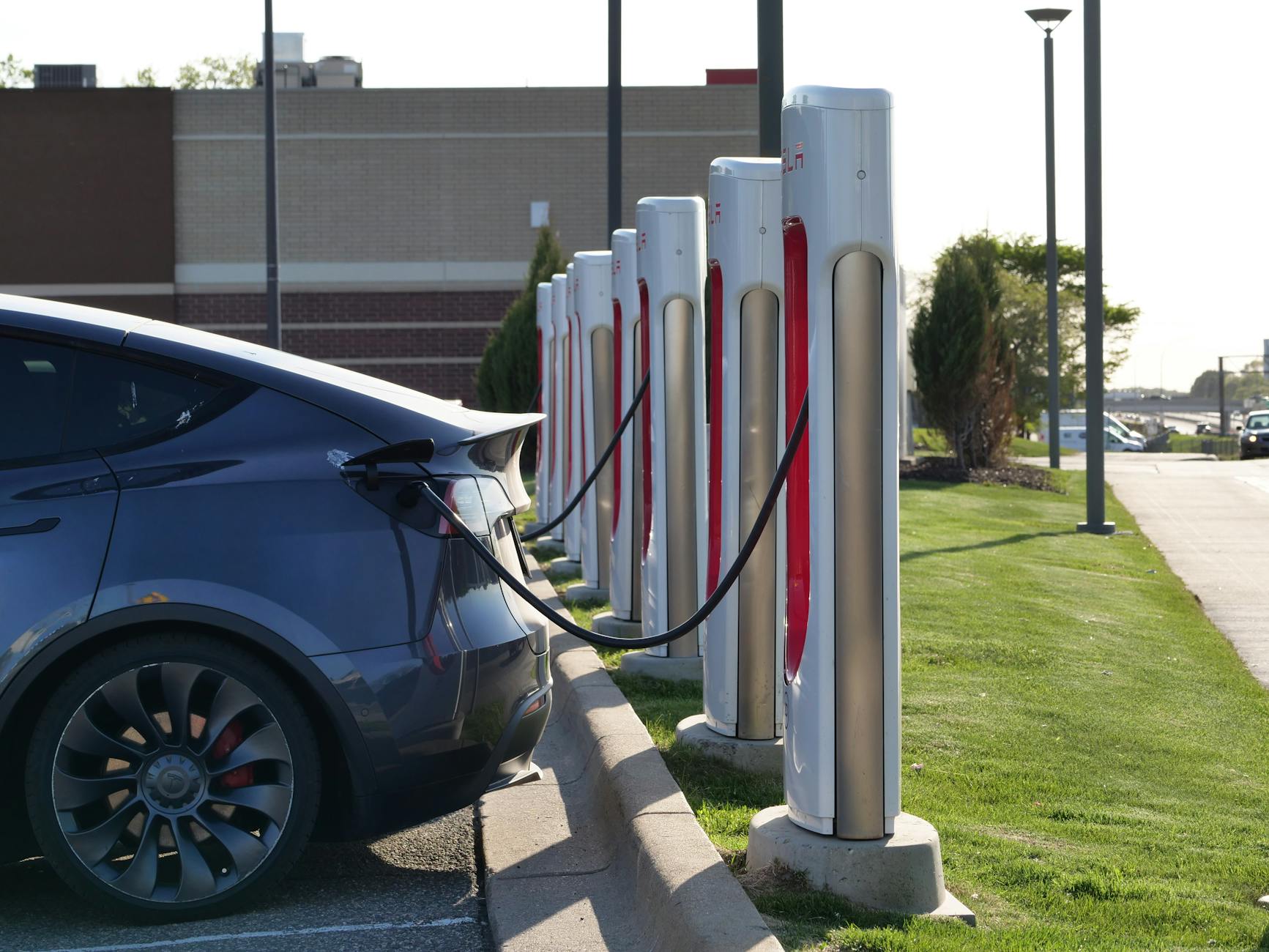
Tesla has rolled out a new 'Emergency Drive Away' feature for its Supercharger network, giving drivers a critical escape route in urgent situations. This update allows a Tesla to be driven away even with the charging cable still connected, a significant change designed for emergencies. While it offers a vital layer of safety, Tesla warns that using the feature will cause damage to both the vehicle and the Supercharger. This development comes as the global shift towards electric vehicles continues to prioritize both convenience and user security.
Until now, a Tesla vehicle would not move from Park if the charging cable was still plugged in. Drivers had to manually release the cable from the car's screen, the Tesla app, or the charger handle itself. The new Emergency Drive Away feature removes this lockout, allowing for an immediate departure when every second counts.
Tesla is very clear about the consequences: using this function will damage the vehicle and the Supercharger. The company also states that deliberate misuse could lead to additional penalties. In-car warnings are equally direct, notifying drivers of potential damage and that short camera recordings will be shared with Tesla to help distinguish genuine emergencies from improper use.
This crucial update arrives roughly two months after a tragic shooting incident at a Supercharger in Twin Falls, Idaho, where one person was killed. This wasn't an isolated event, as a similar fatal shooting occurred at a Denver Supercharger in 2023 fatal shooting at a station near Denver in 2023. These incidents spurred Tesla owners to advocate for a quicker escape method.
The feature requires software update 2026.38.3 and currently supports U.S. Superchargers, with Model S and Model X vehicles built before 2021 not included. The introduction of this feature underscores the ongoing effort to make electric vehicles and their charging infrastructure safer and more user-friendly, pushing forward the move towards sustainable transportation solutions.