Tesla's New Patent Hints at a Major In-Car Upgrade

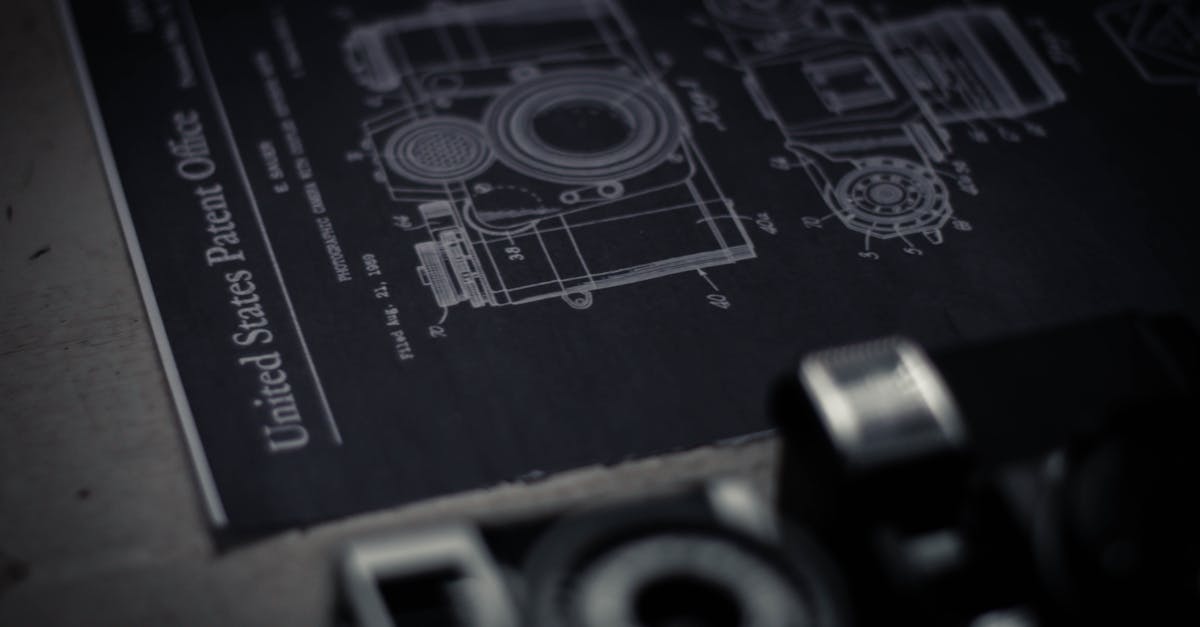
Tesla recently filed a patent suggesting a groundbreaking integration: Starlink internet directly into its vehicles. This innovative design proposes a new vehicle roof made from special materials that allow radio signals to pass through easily. The goal is to provide seamless, high-speed connectivity, eliminating frustrating cellular dead zones for drivers. This move could transform long journeys and remote adventures, ensuring continuous internet access wherever you go, a significant step in modernizing in-car technology.
Tesla's new patent outlines a vehicle roof assembly designed with "RF-transparent" materials, meaning radio frequencies can pass right through them. Instead of traditional metallic or glass roofs, this design uses durable polymer blends, allowing for clear communication with satellites and other external devices. This is a big step towards integrating advanced technologies, like satellite internet terminals, directly into cars.
The idea is to give Tesla vehicles an uninterrupted signal to satellites, which is crucial for maximizing internet reception. Imagine driving through remote areas or on long road trips without ever losing your connection – this technology aims to make that a reality. These new materials are also designed to meet strict safety standards, ensuring the vehicle remains safe and robust.
Bringing Starlink directly into Tesla cars offers significant advantages. It would completely solve the problem of cellular dead zones, particularly in rural regions, providing reliable internet service for all occupants. This reliable connectivity would also be vital for future developments like Robotaxis, where constant communication for monitoring and management is essential. With SpaceX continuously expanding the Starlink satellite network, secure and stable internet access in your Tesla could be closer than you think. This evolution in vehicle design underscores the push for smarter, more connected, and future-ready transportation.