Tesla's new power feature comes with an unexpected twist

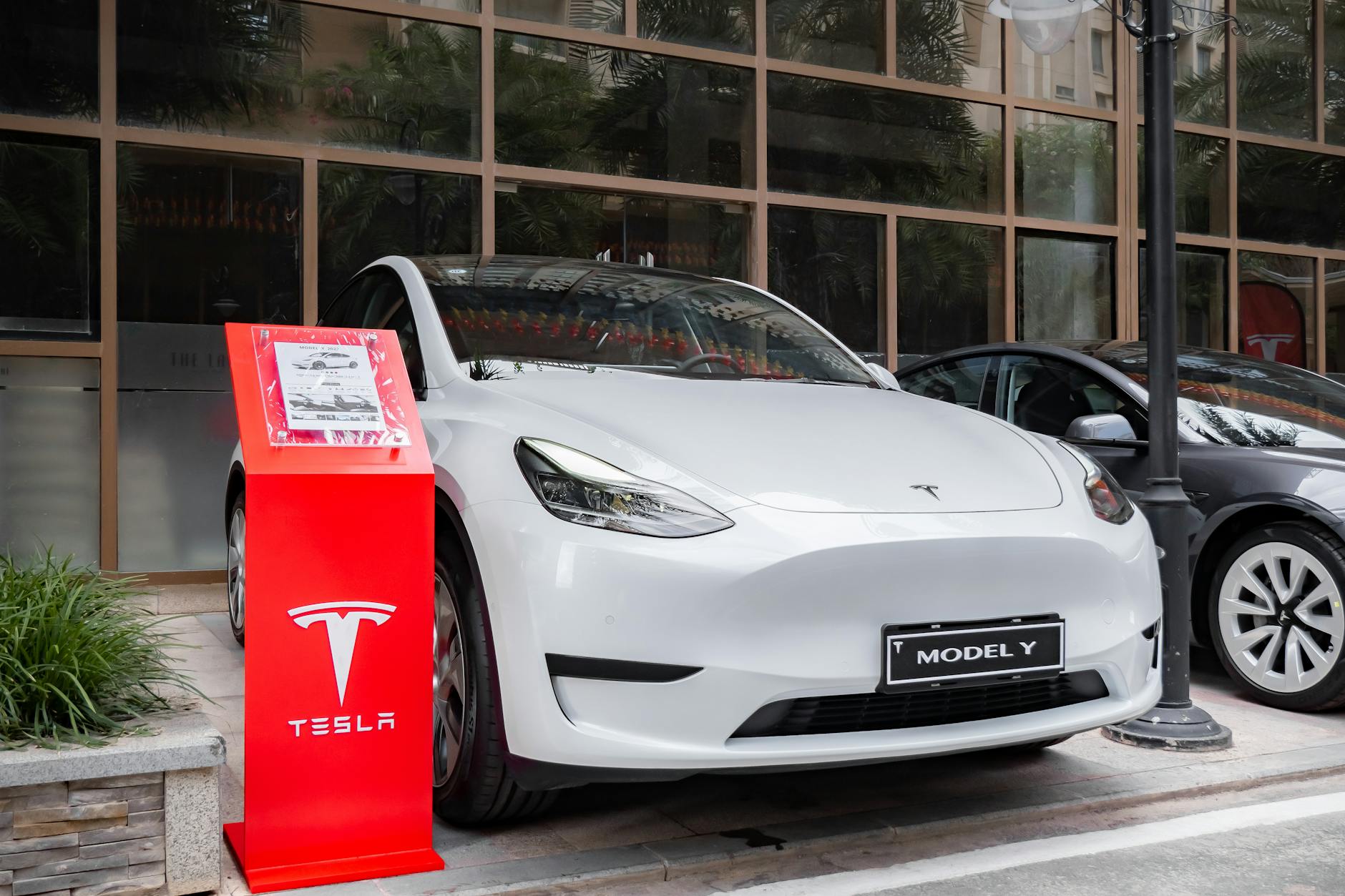
Tesla has introduced a new Vehicle-to-Load (V2L) Outlet Adapter for its Model Y, allowing owners to power external devices directly from their cars. This innovative accessory transforms the electric vehicle into a versatile power source for everything from laptops to electric grills, showcasing the expanding utility of sustainable transportation. However, a surprising number of even newer Model Y vehicles are not compatible with this $80 adapter, leaving many owners unable to access the feature without an expensive hardware upgrade. This situation highlights the evolving landscape of EV technology and the importance of ensuring broad accessibility to advanced functionalities.
Tesla recently rolled out its Vehicle-to-Load (V2L) Outlet Adapter, a game-changer that lets Model Y owners use their electric car as a portable power bank. Imagine plugging in your laptop, an electric grill for a picnic, or even string lights for an outdoor event, all powered by your vehicle. This feature truly enhances the versatility of electric cars, showing how clean energy vehicles can support more than just transportation, contributing to a more sustainable lifestyle.
However, there's a catch that's stirring up discussion among owners. Many, including those who recently took delivery of their 2026 Model Ys, are finding their cars aren't compatible with the new $80 adapter. The issue stems from an older, single-phase Power Conversion System (PCS) in their vehicles, which can't support the V2L function. Only cars with the newer, two-piece PCS can utilize this exciting capability.
For those eager to upgrade, the parts alone can cost around $1,750, not including installation labor. This makes a costly upgrade, pushing some owners to consider alternative portable power supplies instead. While it's fantastic that Tesla has enabled V2L for Model Y vehicles, it's understandably disappointing for owners of relatively new Model Ys to miss out on such a useful feature designed to leverage their car's clean energy capacity. It reminds us that even with rapid advancements in electrification, staying up-to-date with new features can sometimes come with unexpected hurdles.