Tesla's Next Big Move Revealed Beyond Earnings

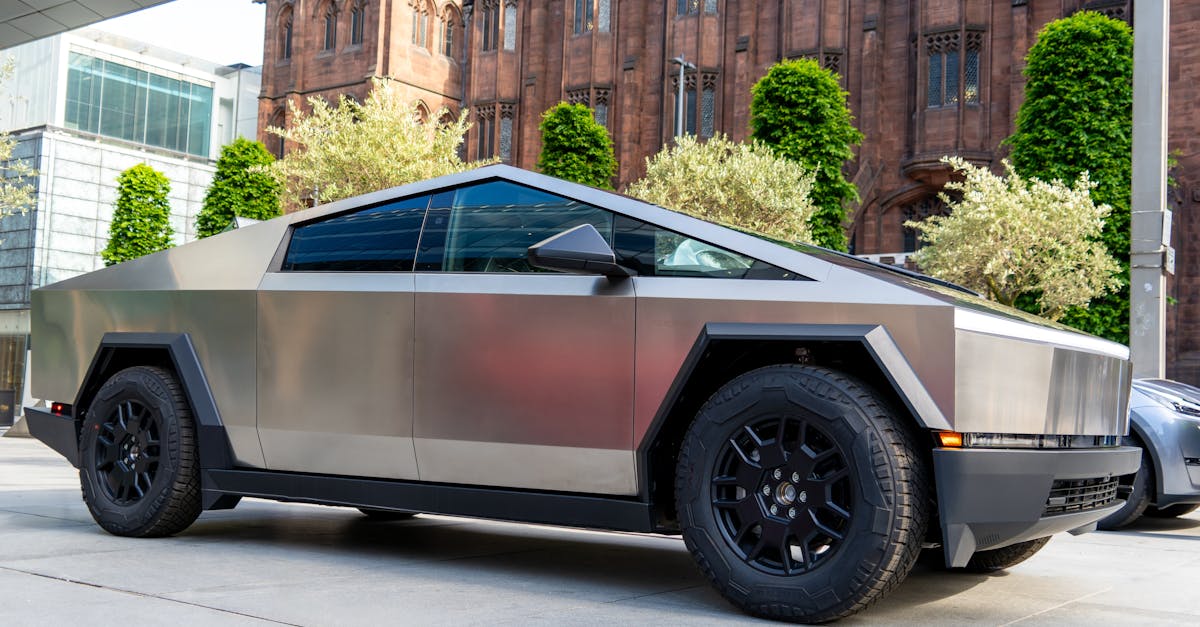
Tesla is set to release its second-quarter 2026 earnings report, sparking keen interest among investors and analysts. Expectations place the company's Earnings Per Share (EPS) at $0.53 and revenues around $26.4 billion. However, beyond the financial figures, the real focus will be on updates regarding Tesla's ambitious projects, including the expansion of its self-driving robotaxi fleet and the progress of its Optimus humanoid robot. These developments are crucial as they push forward the future of sustainable transportation and automated solutions, aiming to redefine how we move and work in an environmentally conscious world.
As Tesla prepares to announce its Q2 2026 results, financial circles anticipate revenues around $26.4 billion, with earnings per share estimated at $0.53. These figures represent a notable increase from the previous year, highlighting the company's continued growth in the competitive electric vehicle market.
Yet, the conversation on the earnings call is expected to delve deeper than just numbers. Investors are eager for updates on Tesla's innovative ventures, particularly the rollout of its robotaxi services. Questions from both retail and institutional shareholders frequently touch on why earlier short-term goals for robotaxi coverage have been missed and what challenges limit faster expansion. This advanced autonomous driving technology is central to a future of more efficient, shared, and ultimately greener urban transport, reducing individual car ownership and its associated environmental footprint.
Another significant area of interest is the progress of the Optimus humanoid robot. Shareholders are asking about its production ramp-up, initial deployment, and timeline for external sales. While seemingly distinct from electric vehicles, Optimus could revolutionize manufacturing and other industries, leading to more efficient, potentially less resource-intensive production processes. Similarly, updates on the Terafab project, a collaboration between Tesla and SpaceX for advanced manufacturing, will shed light on future production efficiencies critical for scaling sustainable technologies.
These discussions underscore Tesla's role not just as a car manufacturer, but as a leader in developing technologies that could fundamentally reshape transportation, industry, and energy use. Progress in these areas is vital for accelerating the global shift towards electrification and more sustainable solutions, offering a glimpse into a future where technology helps tackle climate challenges.