Tesla's Optimus Robot: How They Unlocked Human-Like Hands

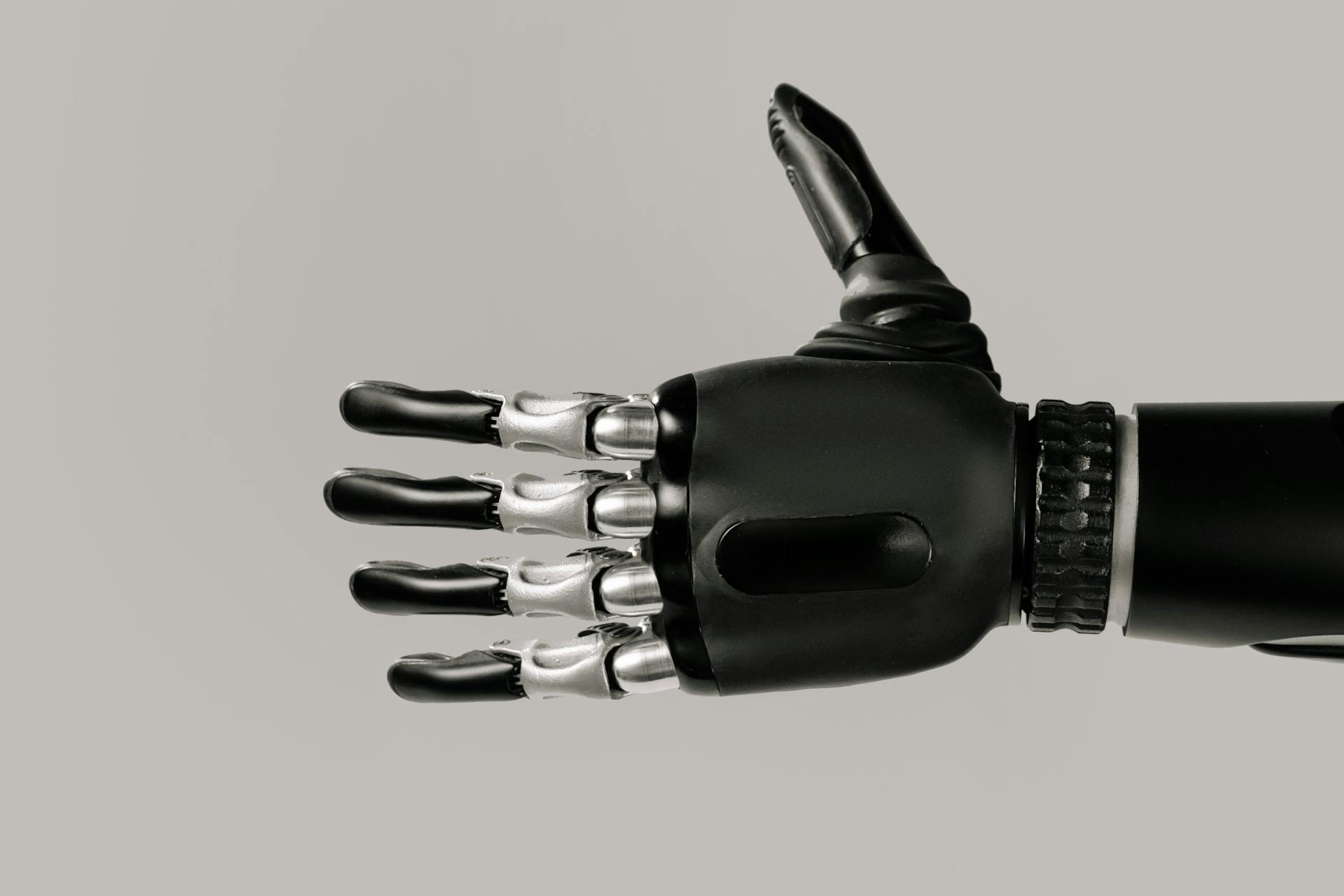
Tesla is making big strides with its Optimus humanoid robot. Recently, the company filed new patents detailing advanced designs for the robot's hands and arms, crucial components for achieving human-like dexterity. These innovations tackle what CEO Elon Musk called the "majority of the engineering difficulty" for the entire project. By moving heavy mechanics to the forearm and designing a sophisticated wrist, Tesla aims for lightweight construction and high-volume production, bringing Optimus closer to its goal of becoming a truly versatile general-purpose robot.
The core of Tesla's breakthrough lies in a clever system that uses cables, much like tendons in a human hand. Instead of placing heavy motors directly in the robot's hand, these actuators are now located in the forearm. This smart design keeps the hand light and agile, allowing for more natural and precise movements. Each finger can move in multiple ways, connected by thin, flexible control cables that run from the forearm, through the wrist, and into the fingers.
A key challenge was making the wrist move smoothly without cables getting tangled or stretching. Tesla's new design features an innovative way for these cables to transition through the wrist, significantly reducing common problems like friction and imprecise motion. This ensures that Optimus can perform complex tasks that require delicate, multi-axis wrist movements. Supporting patents also detail the overall arm assembly and a special joint design that improves durability and simplifies manufacturing.
Tesla executives, including Elon Musk, have often emphasized that designing the hand was the single most difficult part of Optimus. Musk famously compared its complexity to something "harder than Cybertruck or Model X." For years, the team faced significant hurdles in achieving human-level manual dexterity and making it suitable for mass production. These new patents directly address those challenges, showing a production-ready system that could give Optimus a major advantage in the growing field of humanoid robotics. With these solutions, Tesla is moving closer to making Optimus a reality, capable of performing a wide range of tasks in the real world.