Tesla's Optimus Robot: What's Happening Inside Fremont Factory?

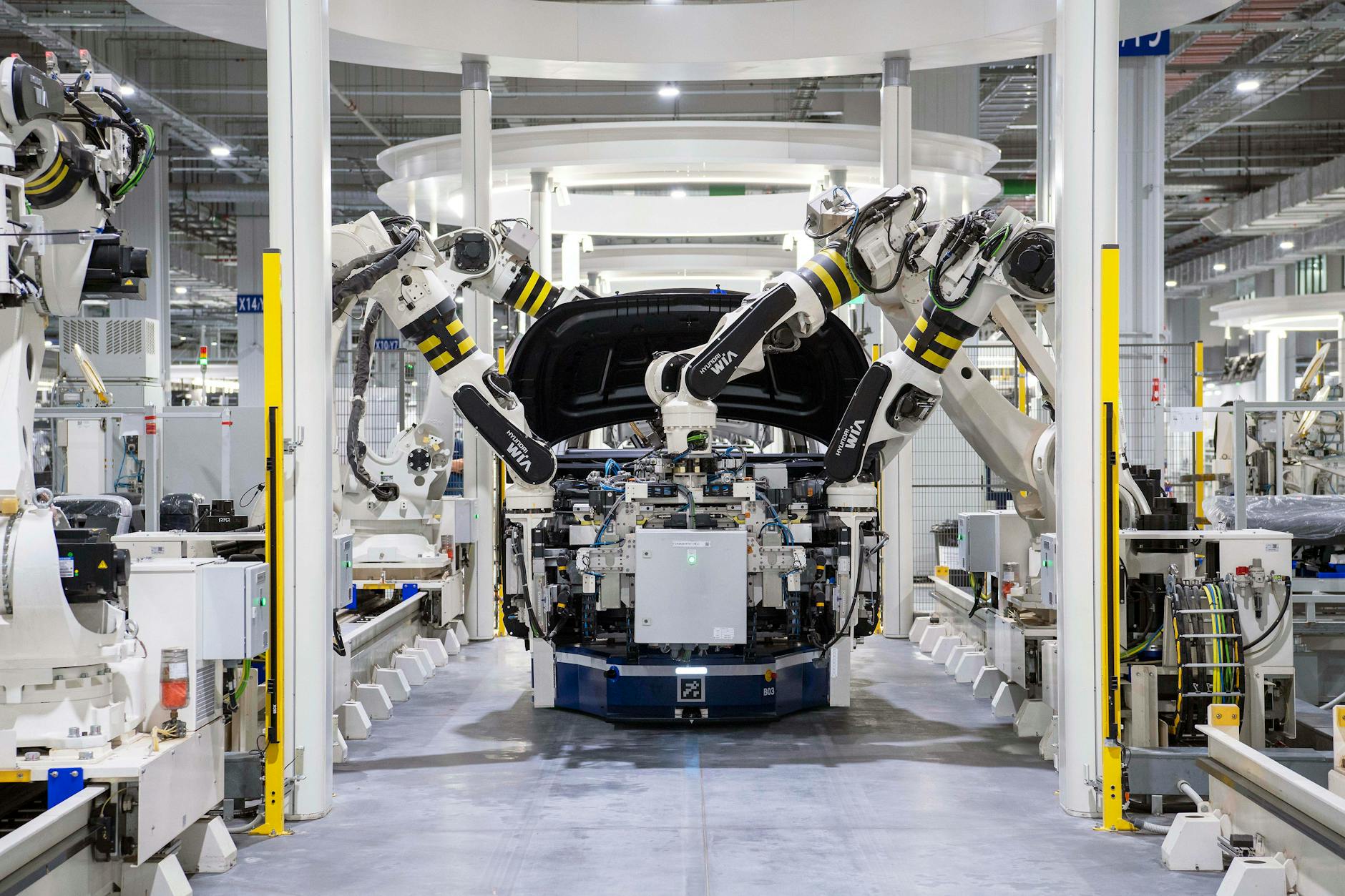
Tesla has begun building its Optimus humanoid robots on a high-volume production line at its Fremont factory, marking a significant step towards a future powered by advanced automation. These "production-quality" robots are intended for dangerous, repetitive, and continuous tasks. Tesla is also developing an innovative "Optimus Academy" to train its robots, using a large fleet of bots to gather critical learning data. With plans for a massive factory in Giga Texas and a focus on refining AI, Tesla aims to deliver Optimus to companies by the end of next year.
Tesla is making big strides in the world of robotics, with its Optimus humanoid robot now being built on a dedicated production line at the Fremont factory. This new line, which quickly replaced older vehicle manufacturing setups, is designed for high-volume output, aiming to produce up to a million robots annually. The company reports that the robots coming off this line are the first to meet their standards for a real commercial product, signaling a major leap forward in automation.
Elon Musk has described the robot's growth path as an "S curve," with initial development focusing on refining its artificial intelligence, mechanical design, and overall reliability. Tesla plans to start delivering Optimus to various companies by the end of next year, targeting jobs that are dangerous, highly repetitive, or require around-the-clock presence. These autonomous workers could revolutionize industries, making workplaces safer and more efficient.
A key challenge for Optimus is gathering enough training data for its AI, a task usually handled by Tesla's vast fleet of electric cars. For Optimus, Tesla is tackling this by creating an "Optimus Academy," where thousands of robots will practice diverse tasks. Each robot built will contribute valuable learning data, ensuring the next generation of Optimus is even smarter and more capable. Upcoming hardware upgrades, including Tesla's advanced AI5 chip, will further boost the robot's intelligence.
The company is also lining up supply chain partners for mass production and is constructing a much larger Optimus factory at Giga Texas, with an ambitious long-term goal of producing ten million robots a year. Remarkably, the manufacturing costs for Optimus are trending similarly to those projected for the Cybercab, indicating that these robots are designed for widespread, affordable deployment from the outset. While the hands remain the most complex part of the design, engineering efforts are intensely focused on perfecting them for a truly versatile robot.