Tesla's Q3 Surge: What it Means for the Global EV Race

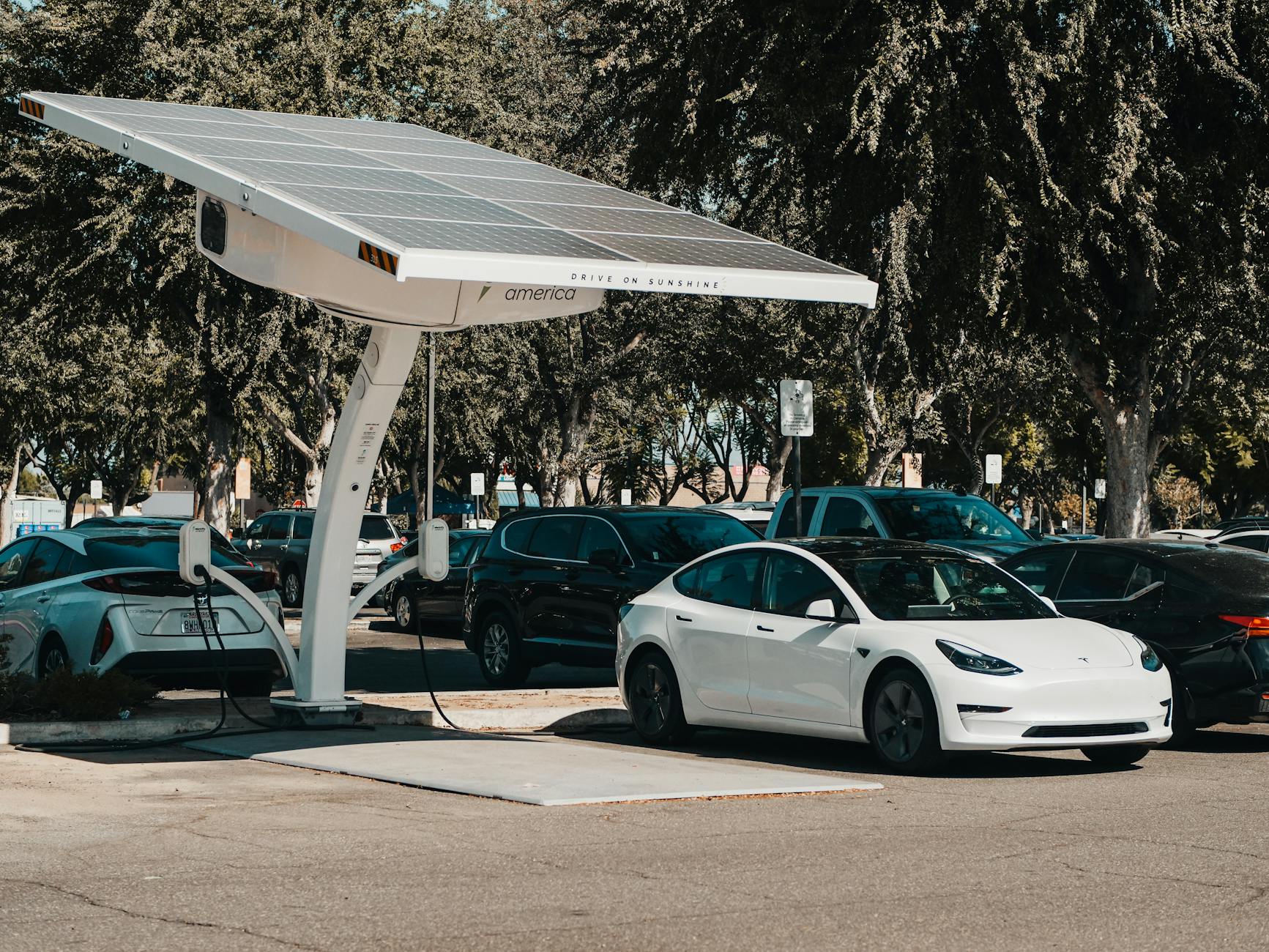
Tesla delivered more vehicles than expected in Q3 2026, offering a boost to its investors and the broader electric vehicle market. This positive performance underscores the ongoing shift toward cleaner transportation solutions. However, Chinese competitor BYD significantly widened its lead in battery-electric vehicle sales, intensifying the global EV race. The increasing adoption of electric vehicles is crucial for cutting emissions and combating climate change, making the progress of both companies vital for a sustainable future.
Tesla recently surprised analysts with stronger-than-expected vehicle deliveries in the third quarter of 2026. The company handed over 486,532 vehicles, a welcome boost for investors and a small increase from the previous quarter. This positive news saw Tesla's stock rebound, reflecting optimism about its immediate future.
However, the global race for electric vehicle dominance is heating up, and Tesla faces strong competition. Chinese EV giant BYD significantly widened its lead in battery-electric vehicle sales during the same period. BYD sold 762,478 battery-electric passenger vehicles, according to data compiled by CnEVPost, far surpassing Tesla's figures and highlighting the rapid growth of EV markets beyond traditional players. This fierce competition ultimately benefits the planet by accelerating the shift away from fossil-fuel-powered cars.
The rise in EV sales is a critical step in addressing climate change. Every electric vehicle on the road helps reduce the greenhouse gas emissions that warm our planet, offering a cleaner alternative to gasoline vehicles. The International Energy Agency reported that global electric car sales topped 20 million in 2025, with China leading the charge. Companies like Tesla are not just selling cars; they're contributing to a fundamental change in how we move, which is essential for a sustainable future.
Tesla itself estimates its products helped avoid millions of tons of carbon dioxide equivalent emissions in its 2025 Impact Report, and each Tesla vehicle can avoid about 32 metric tons of CO₂ over its lifetime compared to a gas car. Beyond vehicles, Tesla's energy storage solutions, though slightly below analyst expectations this quarter, are vital. These large-scale batteries help integrate renewable energy sources like solar and wind into our power grids, making clean energy more reliable and accessible. While manufacturing EVs and their batteries does have an environmental footprint, continued innovation aims to make the entire lifecycle as sustainable as possible. The urgent need for collective climate action means every step towards electrification and sustainable technology matters.