Tesla's Robotaxi Strategy: Why a familiar model is now taking a backseat.

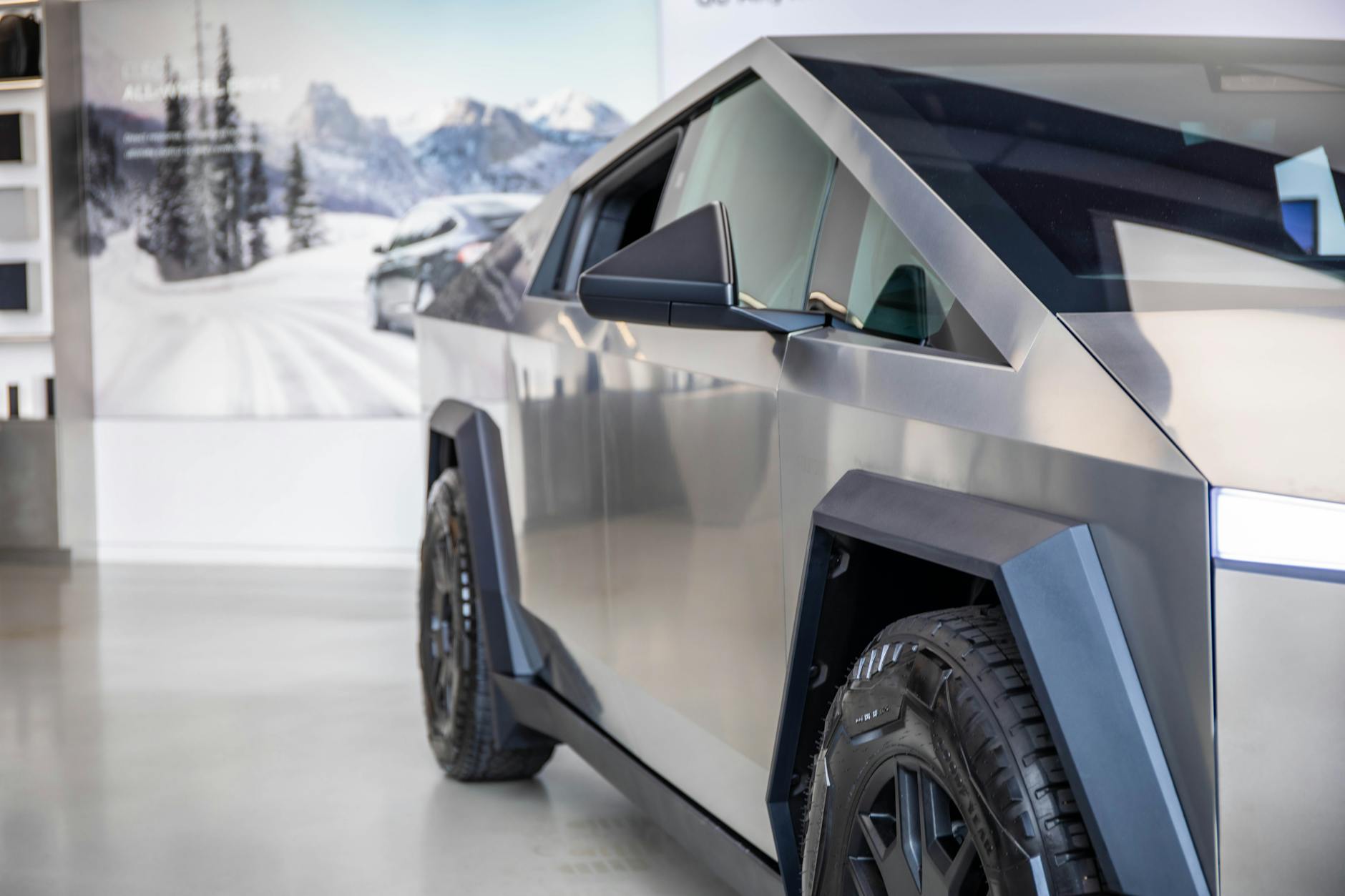
Tesla is making a strategic shift in its ambitious Robotaxi program, according to recent insights from JPMorgan analysts. Rather than heavily relying on its existing Model Y vehicles for its autonomous ride-sharing service, the company is now prioritizing the upcoming Cybercab. This dedicated two-seater vehicle, designed without a steering wheel or pedals, aims to offer a more efficient and sustainable solution for urban travel. This move signals Tesla's strong confidence in rapidly scaling its vision for a cleaner, self-driving future.
Tesla recently gave JPMorgan analysts a peek behind the curtain at its Fremont factory, revealing big plans for its self-driving Robotaxi service. A key takeaway is that Tesla is intentionally slowing down the integration of its popular Model Y cars into the Robotaxi fleet. This isn't a sign of hesitation, but rather a strategic pivot towards a new, dedicated vehicle that promises to transform urban transportation.
This new vehicle, called the Cybercab, is a two-seater specifically designed for ride-sharing. It won't have a steering wheel or pedals, making it a truly futuristic and efficient way to get around, especially for the common one or two-passenger trips. By focusing on this purpose-built design, Tesla believes it can roll out autonomous services more effectively and keep more Model Ys available for everyday buyers, ultimately accelerating the shift to electric, shared transportation.
Powering this vision is Tesla's Full Self-Driving (FSD) software version 15, which the company describes as a major leap forward. This advanced software is already being tested in the current Robotaxi fleet, showing promising results. It's built on existing hardware, meaning the path to widespread unsupervised self-driving is becoming clearer, paving the way for a world where shared electric vehicles significantly reduce the need for individual car ownership and its environmental footprint.
Beyond Robotaxis, Tesla's ambitions stretch further into automation. The Optimus humanoid robot is also on track for production soon, with commercial availability expected in the second half of 2027. Concepts like the earlier "Robovan" hint at how this architecture can evolve. These developments underline Tesla's broader commitment to sustainable technology, showing how advanced robotics and electrification are coming together to create a more efficient and environmentally friendly future.