Tesla's Self-Driving: A Transformative Shift Is Coming [Analyst Insight]

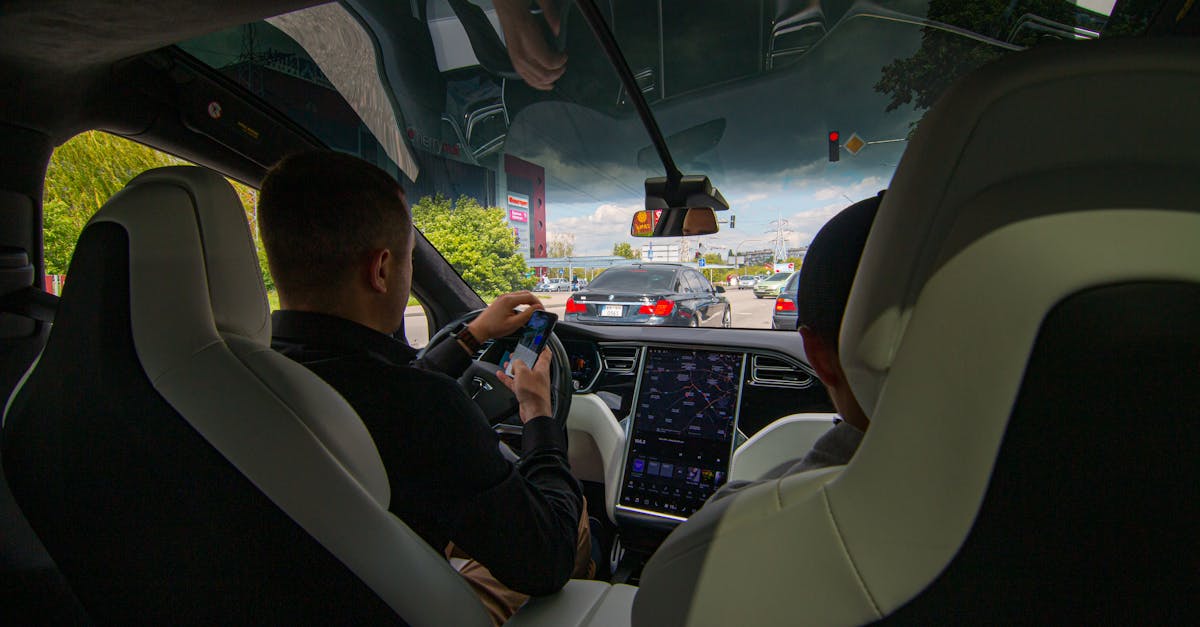
A leading analyst predicts Tesla's Full Self-Driving (FSD) technology is on the cusp of a major breakthrough, akin to the iPhone's transformative impact. This "inflection point" suggests FSD will soon be recognized as far more than just a car feature, offering a revolutionary way to experience travel. As FSD evolves, it’s expected to fundamentally change how people perceive vehicle value, potentially making advanced electric cars more accessible and appealing. This could significantly accelerate the shift towards cleaner, more sustainable transportation solutions globally.
Pierre Ferragu, a veteran Tesla analyst at New Street Research, believes the company’s Full Self-Driving suite is nearing a pivotal moment. He compares it to the early days of the iPhone, which initially seemed expensive for just a phone, until people realized its broader utility and how it simplified their lives. This re-evaluation of value made the price tag justifiable, shifting public perception entirely.
Ferragu suggests that FSD will similarly redefine what a Tesla is. It’s not just a car; it’s a tool that can make daily commutes peaceful and stress-free. This added value could justify the investment for many, turning skeptics into adopters. Imagine your journey to work becoming a time for relaxation, not tension. Such a transformation in the driving experience makes electric vehicles even more compelling.
The analyst anticipates that once Tesla offers a truly unsupervised self-driving system, the appeal of its vehicles will soar. This increased demand for electric cars, driven by advanced features like FSD, directly supports the global push for electrification and reduces reliance on fossil fuels. It's a clear step towards a more sustainable future.
Ferragu expects significant developments within the next two quarters, hinting that we will soon see the full potential of where this technology is headed. For those who experience FSD, the shift is already apparent; it makes driving other cars feel like a step backward, highlighting its power to accelerate the transition to cleaner, smarter transportation.