Tesla Semi Autonomy: A Critical Timeline Emerges

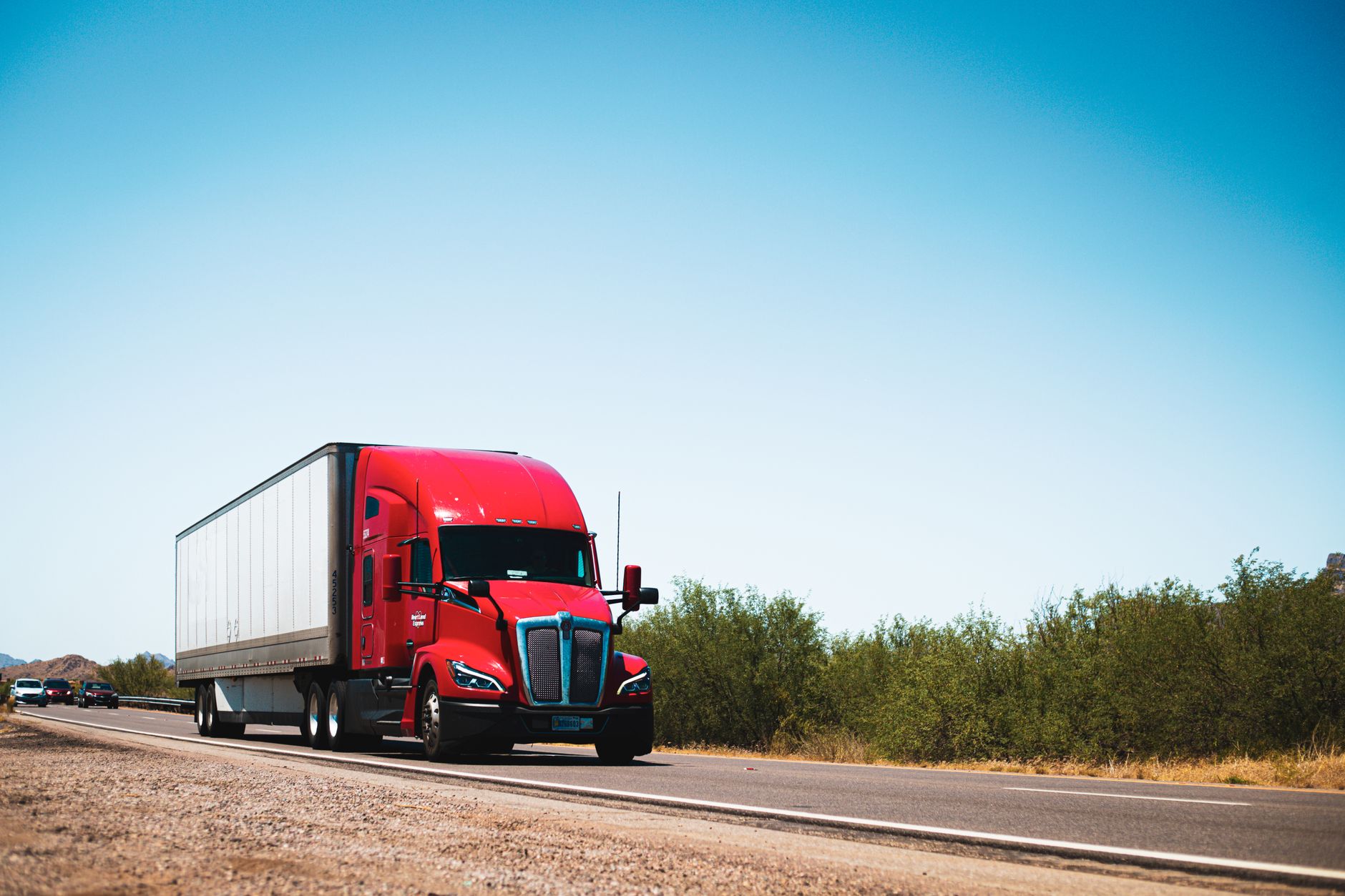
Elon Musk has provided a concrete timeline for when Tesla expects its Semi trucks to achieve autonomous driving capabilities, targeting late this year or early 2027. While Tesla's self-driving team has prioritized high-volume passenger vehicles, the shift towards autonomous electric trucks is crucial. This development promises to tackle a significant shortage of qualified truck drivers, enhance road safety, and accelerate the transition to more sustainable logistics. Embracing electrification in freight transport marks a vital step toward reducing global carbon emissions and building a cleaner future.
During a recent Tesla earnings call, Elon Musk announced that self-driving technology for the Tesla Semi is projected to be functional by late 2026 or early 2027. He explained that the delay wasn't due to capability issues, but rather a strategic focus on refining autonomy for Model 3, Model Y, and Cybercab – vehicles that represent the vast majority of Tesla’s current fleet. This prioritization ensures the highest safety standards for the most commonly used vehicles before expanding the advanced technology.
However, signs of progress are already visible, with Tesla Semis equipped with extensive validation sensor arrays spotted on public roads, indicating active testing. The importance of these autonomous electric trucks cannot be overstated. Musk highlighted a serious and growing shortage of qualified truck drivers, which autonomous Semis could help alleviate, improving both safety and comfort for existing drivers. This innovative solution not only addresses logistical challenges but also significantly advances the benefits of electrification, reducing reliance on fossil fuels and lowering transportation's environmental footprint.
The timeline also aligns with current production realities, as the output of 4680 battery cells remains a temporary constraint for Semi production. This allows Tesla's software team adequate time to perfect the autonomous system. It’s important to note that "working" by early 2027 refers to internal validation of the technology, laying the groundwork for a future where electric, self-driving trucks play a pivotal role in creating a more efficient and sustainable transportation system for everyone.