Tesla Semi: The Secret Behind Its 'Zero Human Touch Point' Production?

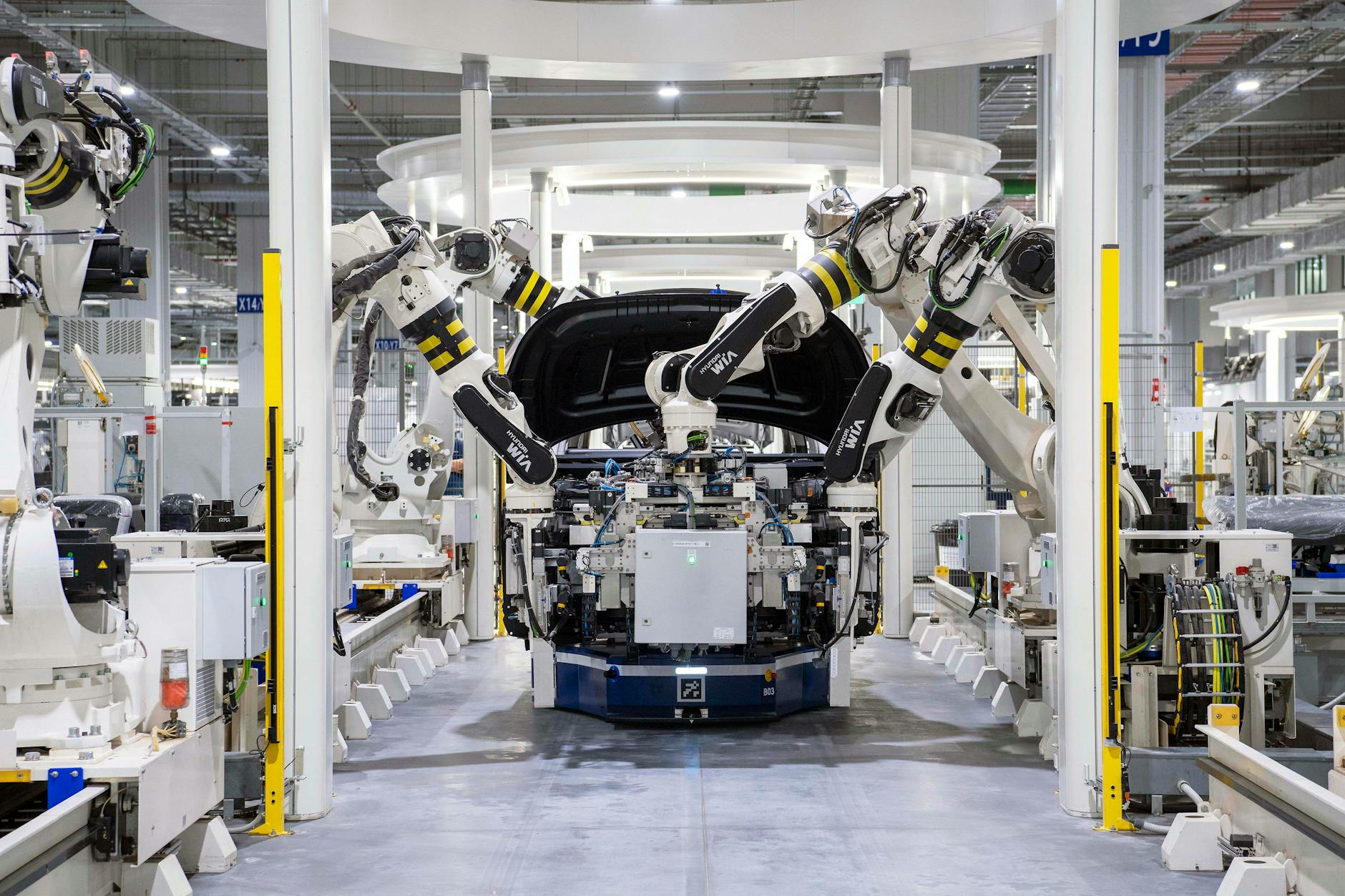
Tesla is revolutionizing how electric trucks are made, moving towards an unprecedented level of automation for its Semi. The company aims for a 'zero human touch point' production pipeline, from battery cell manufacturing in Texas to final assembly in Nevada. This innovative approach promises to streamline operations, cut waste, and improve quality. It's a significant step not only for manufacturing but also for scaling up the production of emission-free commercial transport, crucial for a healthier planet.
Tesla has unveiled an ambitious plan for its all-electric Semi, focusing on a fully automated production system. This groundbreaking approach starts with the 4680 battery cells produced at Giga Texas and extends all the way to the finished truck rolling off the line at the new Semi Factory in Sparks, Nevada. The goal is truly remarkable: absolutely no human contact from the moment battery cells are loaded onto trailers in Texas until a Tesla Semi is ready to drive away.
At the new 1.8-million-square-foot plant, designed to produce 50,000 trucks annually, specialized lines will automatically unload battery cells from trailers, position them, and feed them directly into the pack and vehicle assembly. This eliminates manual handling, dramatically reducing labor, potential damage, and the need for large stockpiles. By cutting down on these inefficiencies, Tesla is also tightening quality control for a vital and costly component of the truck.
This 'no human touch point' philosophy is part of a much wider automation push. The factory utilizes advanced electric monorail systems to move vehicle frames and employs powder-coating instead of traditional paint, removing many operator-dependent steps. Such innovations are key to making high-volume production of electric trucks a reality, accelerating the transition to sustainable logistics. Every electric Semi on the road means fewer polluting diesel trucks, bringing us closer to cleaner air and a more stable climate. This commitment to efficiency and automation underscores the urgency of shifting to electric solutions, highlighting how sustainable technologies outperform older, fossil-fuel alternatives.
Initial trucks began leaving the line in April 2026, with major companies like PepsiCo, DHL, and U.S. Foods among the early customers. The success of this automated pipeline will be a testament to how far manufacturing can evolve, pushing boundaries for what electric vehicles can achieve.