Texas Communities Face a Hidden Toxic Threat. [New Data]

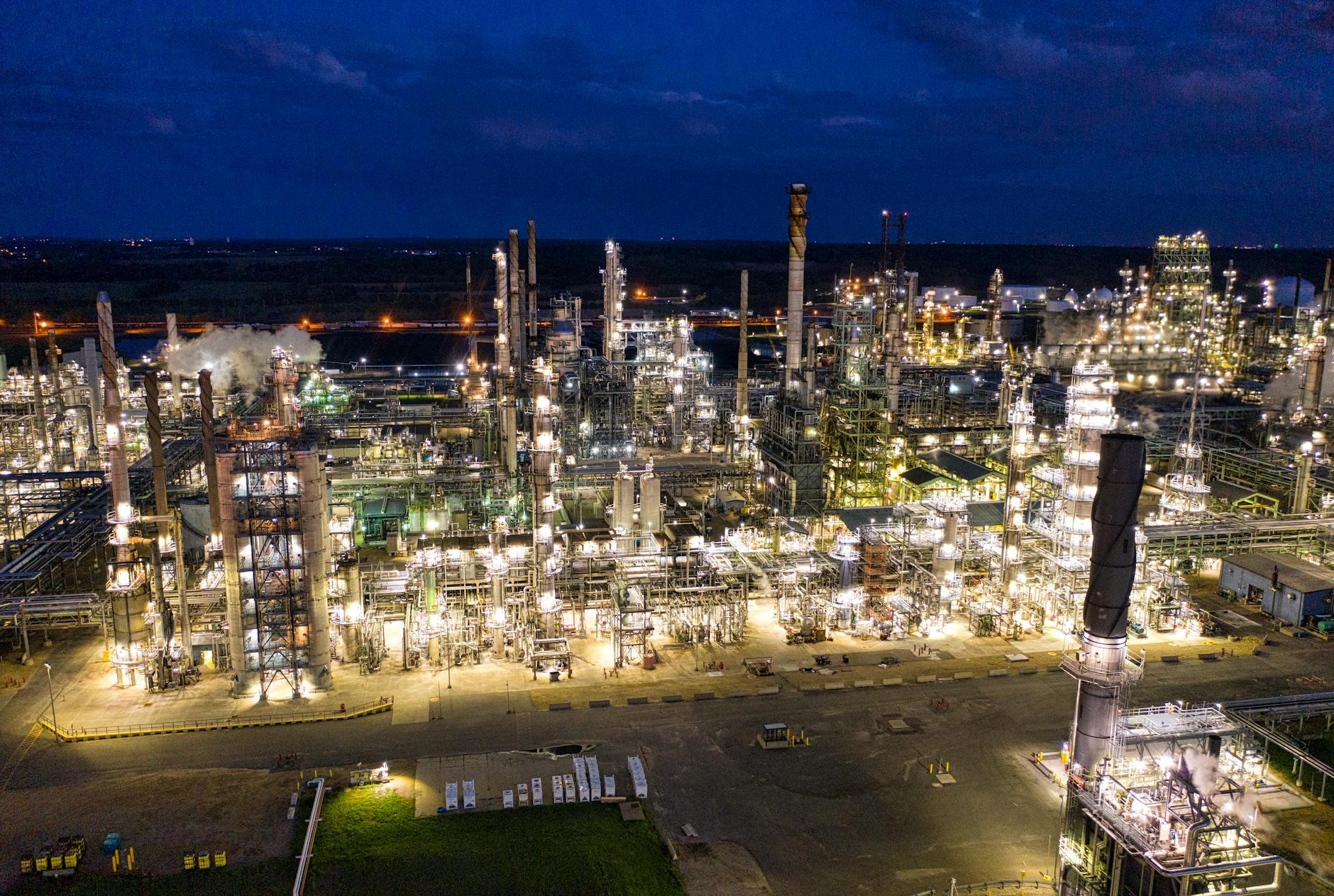
Communities along the Texas Gulf Coast, particularly places like Port Arthur, are confronting a severe health crisis due to high levels of benzene emissions. A recent Environmental Defense Fund report reveals that Texas refineries consistently produce some of the highest concentrations of this cancer-causing chemical in the nation. The problem isn't just about refinery size; it's heavily influenced by state policies and facilities failing to fix ongoing leaks. This situation underscores an urgent environmental justice challenge, where residents in fenceline communities bear the brunt of pollution and deserve cleaner air.
In late March, residents of Port Arthur experienced ground-shaking explosions at the Valero refinery, followed by a black chemical plume that polluted their community for days. Such incidents are distressingly common for towns nestled near Texas’s numerous refineries, which account for over a quarter of all U.S. facilities. These sites regularly release a cocktail of harmful pollutants, including benzene, a highly hazardous chemical found in crude oil and gas.
A groundbreaking report from the Environmental Defense Fund revealed that from 2018 to 2023, Texas refineries generated exceptionally high benzene emissions. Even though national levels generally decreased, Texas and Louisiana refineries still showed benzene concentrations five times higher than those in states like California and Washington. Surprisingly, the data indicated that a refinery’s size or crude oil capacity wasn’t the main driver of these emissions. Instead, researchers point to state policies and facilities failing to address recurring leaks as the primary culprits.
Take TotalEnergies Refinery in Port Arthur, for example. It had nearly nine times the benzene emissions compared to California's largest refinery, Marathon Los Angeles, despite processing significantly less crude oil. The EPA sets an action level of 9 micrograms per cubic meter for fenceline benzene emissions, above which facilities must take immediate action. Many Texas refineries, including TotalEnergies for periods, have exceeded this critical threshold, highlighting serious ongoing issues. Benzene is a known cause of serious health problems, including immune disorders and various cancers, leading to what experts describe as “multigenerational toxic harm” for exposed communities.
While federal regulations like the Clean Air Act exist, their enforcement largely falls to individual states. Texas has been criticized for lagging in this area, with the Texas Commission on Environmental Quality (TCEQ) facing accusations of delayed investigations and weakened environmental guidelines. For instance, Texas's long-term exposure limit for benzene is 1.4 parts per billion, significantly higher than Minnesota’s 0.24 ppb or Massachusetts’s 0.03 ppb. This stark difference in regulatory standards allows pollution to persist at levels deemed unsafe elsewhere.
Experts stress that this pollution is not inevitable. The data clearly shows that some facilities already operate far more cleanly. Emphasizing the urgent need for robust environmental protection and collective climate action, it’s clear that stronger state oversight and a commitment to sustainable practices could drastically improve air quality and the health of fenceline communities. Cleaner solutions are not only possible but imperative for a healthier future.