Texas embraces carbon storage. But who pays the price?

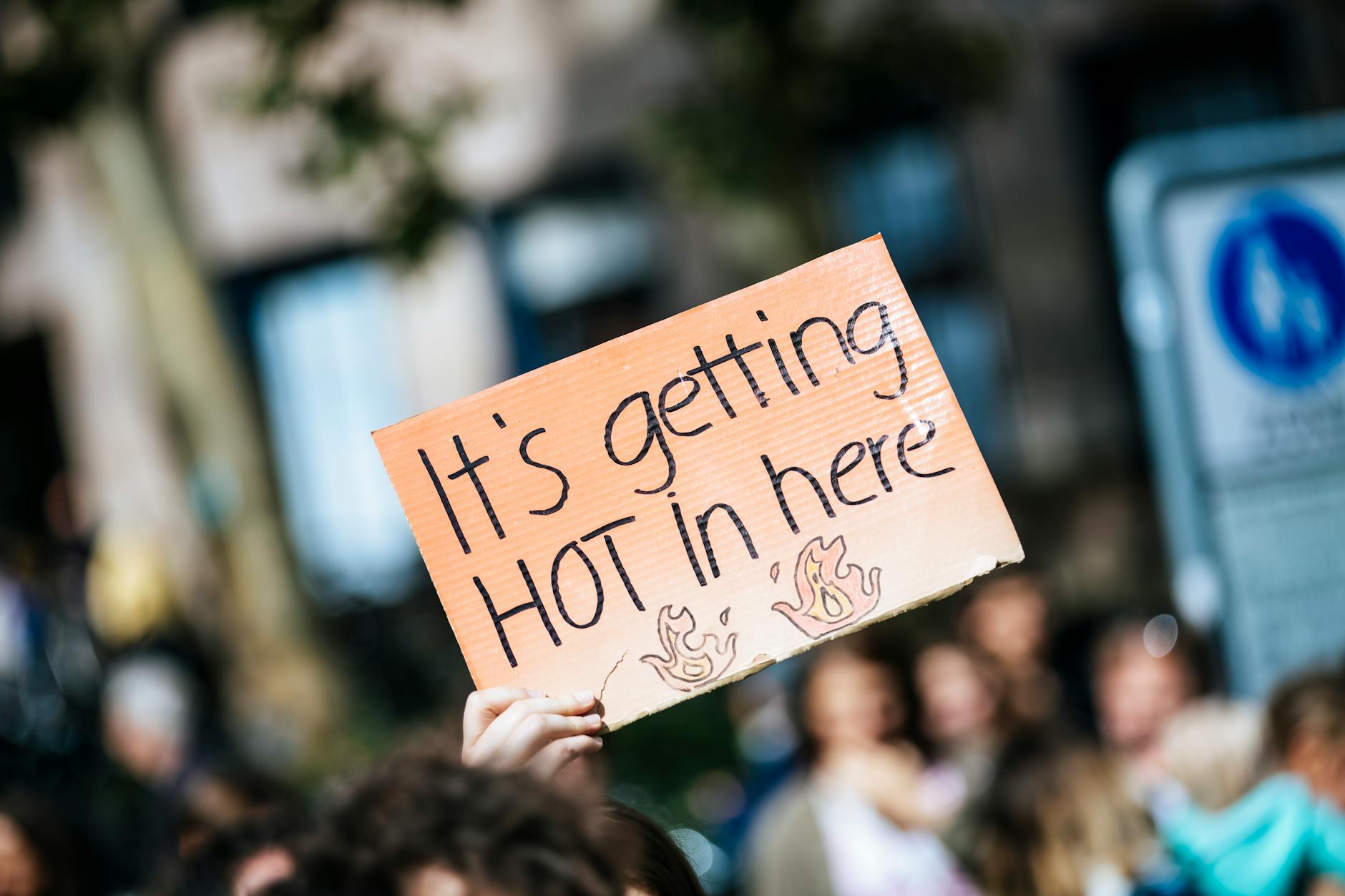
Texas is poised to launch its first carbon storage project, aiming to pump carbon dioxide underground to combat global warming. While hailed by the energy industry as a climate solution, the predominantly Black community of Cheek, near Beaumont, is raising urgent safety and environmental justice concerns. Residents fear potential groundwater contamination and air leaks, questioning if carbon capture is truly an effective and safe path forward, or simply shifting risks to vulnerable communities. This situation highlights the critical need for transparent, equitable climate solutions that prioritize community safety and environmental protection.
In rural Cheek, Texas, ExxonMobil is preparing to inject carbon dioxide deep underground, a process known as carbon capture and storage, which the company claims will help reduce industrial emissions contributing to global warming. This marks a significant step for Texas, which recently gained federal authority to fast-track such projects. However, the local community, largely Black, working-class, and elderly, has grave concerns and has asked state regulators to reconsider the project’s permit.
Residents don't trust company assurances regarding their safety and groundwater. They worry about potential contamination of their drinking water and the risk of CO2 leaks, which can be odorless and deadly. Incidents in other states, like a 2020 pipeline rupture in Mississippi that hospitalized dozens and a leak into unauthorized underground zones in Illinois, fuel these fears. Experts and community advocates warn that emergency responders in small towns like Cheek may not be adequately prepared for such accidents.
Adding to the debate, some experts, like Harvard professor Naomi Oreskes, call carbon capture a “dangerous distraction” from more effective climate solutions. Investigations by Drilled and ProPublica suggest that the technology would require immense resources to make a meaningful dent in emissions. Still, supporters argue it's a vital part of a broader strategy against climate change, especially with federal tax credits making projects financially attractive.
While the industry touts the safety of these operations, citing decades of experience with enhanced oil recovery, community members feel they are being made “test subjects.” The issue also raises serious environmental justice questions, with residents fearing their community was chosen due to less expected resistance. The Texas Railroad Commission, despite having its chair scold ExxonMobil for insufficient community engagement, ultimately approved the permit. This ongoing struggle underscores the urgent need for clear communication, robust safety measures, and genuine community involvement in all climate action initiatives, ensuring that the pursuit of sustainability does not disproportionately burden vulnerable populations.