Texas Regulator Skips Hearing: What it Means for Oil Oversight

Texas Railroad Commissioner Wayne Christian recently defied state lawmakers by skipping a critical hearing concerning the oversight of the state's powerful oil and gas industry. This comes amid a controversial change to the commission's public participation policy, which now limits guaranteed public comment periods. The move has sparked a serious clash with the Texas House Committee on Energy Resources, raising significant concerns about transparency and accountability in regulating issues like abandoned wells and hazardous wastewater, which deeply impact Texas communities and the environment.
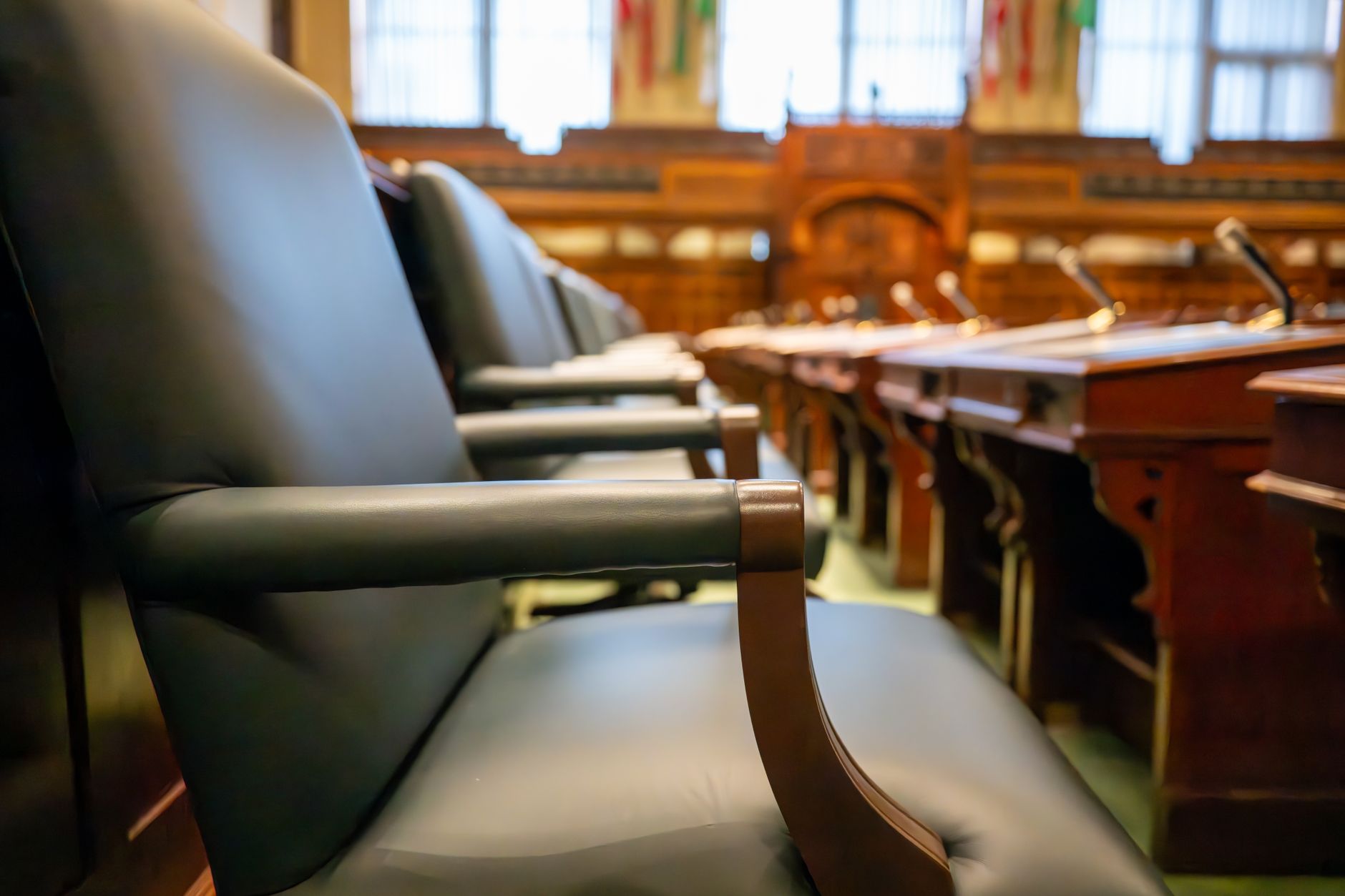
In Austin, a seat reserved for Railroad Commissioner Wayne Christian remained empty at a Texas House Committee on Energy Resources hearing. Committee Chairman Drew Darby, a Republican, expressed strong disapproval, stating Christian had "willfully chosen to defy this committee" by failing to appear and instead citing a scheduling conflict in a letter. The committee oversees the Railroad Commission, which regulates Texas's vast oil and gas operations.
The core of the conflict stems from a new public participation policy introduced by Christian last month. This policy increases listening sessions but gives commissioners the discretion to decide if and when public comments will be heard at meetings, departing from the previous standard practice of guaranteed public input. Critics argue this change hinders public access and transparency at a time when Texas faces a growing backlog of unplugged abandoned oil and gas wells and issues with injected wastewater causing leaks and blowouts.
Adding to the tension, Christian publicly lashed out at Virginia Palacios, executive director of the nonprofit Commission Shift, during a commission meeting. Palacios had advocated for residents' need to speak directly to elected officials, prompting Christian to accuse her of "stirring up stink" and presenting a "false premise." This exchange, seen by many as unprofessional, highlights the strained relationship between the regulator and advocates for greater environmental oversight and accountability.
The controversy also unfolds as an unusually close race is underway for another seat on the Railroad Commission. Republican Bo French, known for controversial and xenophobic remarks, is challenging Democrat Jon Rosenthal, who emphasizes transparency and accountability. Rosenthal, a member of the House Energy Resources Committee, has criticized Christian's actions, stating, "Transparency is one of our strongest safeguards against corruption, conflicts of interest, and abuse of power." He argues that Texans deserve clear answers from their elected officials. The push for greater transparency is vital for ensuring that the industry operates responsibly and that environmental protection remains a priority for the health and safety of Texas communities.