Texas's Oil Waste Dilemma: What will flow into our rivers?

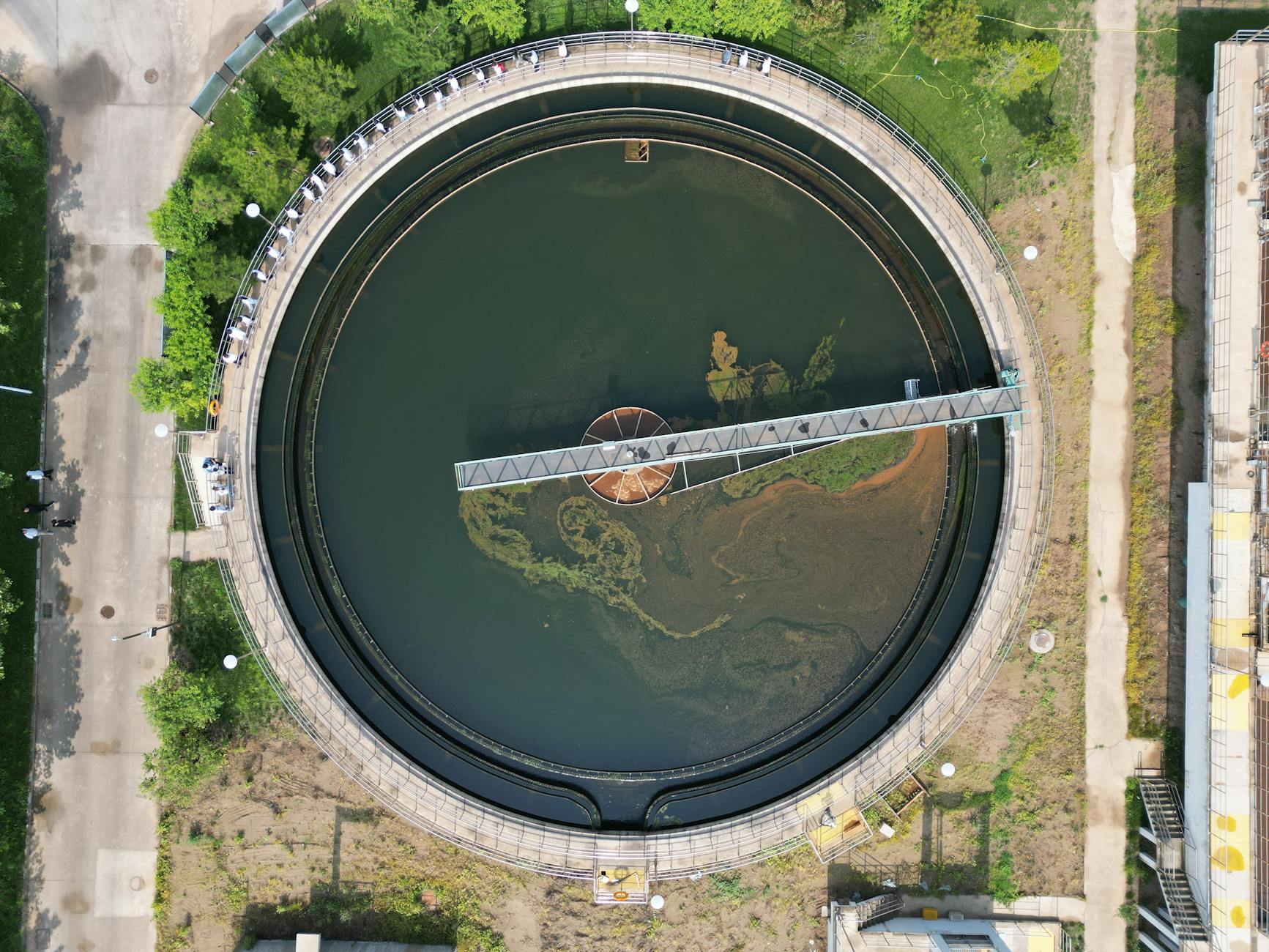
Texas's booming oil production faces a looming crisis: a shortage of space to dispose of nearly a billion gallons of toxic wastewater daily. This "produced water" is traditionally injected underground, but that practice is causing earthquakes and blowouts. Now, a controversial solution is on the table: treating this water and releasing it into rivers or applying it to land. Environmental groups and researchers are raising serious concerns about rushing these permits without conclusive data on safety. This decision could significantly impact Texas's vital waterways and ecosystems.
Texas's vast oil and gas operations in the Permian Basin generate nearly a billion gallons of wastewater every single day. This "produced water," often laced with toxic chemicals, has traditionally been injected deep underground. However, this method is causing problems like increased underground pressure and even earthquakes, pushing officials and industry leaders to find new solutions urgently.
The wastewater itself is far from harmless. It contains highly salty water and hazardous compounds, including heavy metals, radioactive materials, and volatile organic chemicals. Introducing this treated water into Texas's rivers or applying it to agricultural land carries significant risks to public health and the environment, potentially impacting drinking water sources, aquatic life, and natural ecosystems.
The Texas Commission on Environmental Quality (TCEQ) is now exploring permit programs to allow this treated water to be discharged into rivers or used on land. While the oil industry is pressing for quick approvals to avoid slowing down production, many researchers and environmental advocates, like the Sierra Club Lone Star Chapter, urge caution. They argue that regulators are moving too fast, developing permits before enough long-term scientific research proves the safety of treatment methods and their environmental impacts. Organizations such as Commission Shift highlight that crucial water quality standards for hazardous compounds have not been made public.
Some companies are already forging ahead with treatment technologies. For example, Texas Pacific Water Resources has opened a new facility using "freeze desalination" to treat produced water. This process, which works like a giant ice maker, separates salts from the water. While innovative, it's very energy-intensive, requiring megawatts of electricity, and still leaves behind concentrated brine that needs careful disposal. The company is actively conducting pilot projects, including one for irrigating alfalfa, but even their own researchers recommend multi-year studies for definitive conclusions, as noted in a recent paper in Irrigation Science.
The central tension remains clear: the economic pressure to keep oil flowing versus the crucial need to protect Texas's precious water resources and natural landscapes. Scientists continue to emphasize the lack of comprehensive data on treatment reliability and long-term toxicity, as highlighted in studies published in journals like Separation and Purification Technology. Rushing these decisions without robust, publicly available research could lead to unforeseen environmental problems, turning one disposal crisis into another. A careful, science-first approach is vital for the health of our communities and our environment.