Texas' Water Future: Who Pays Billions for Private Desalination?

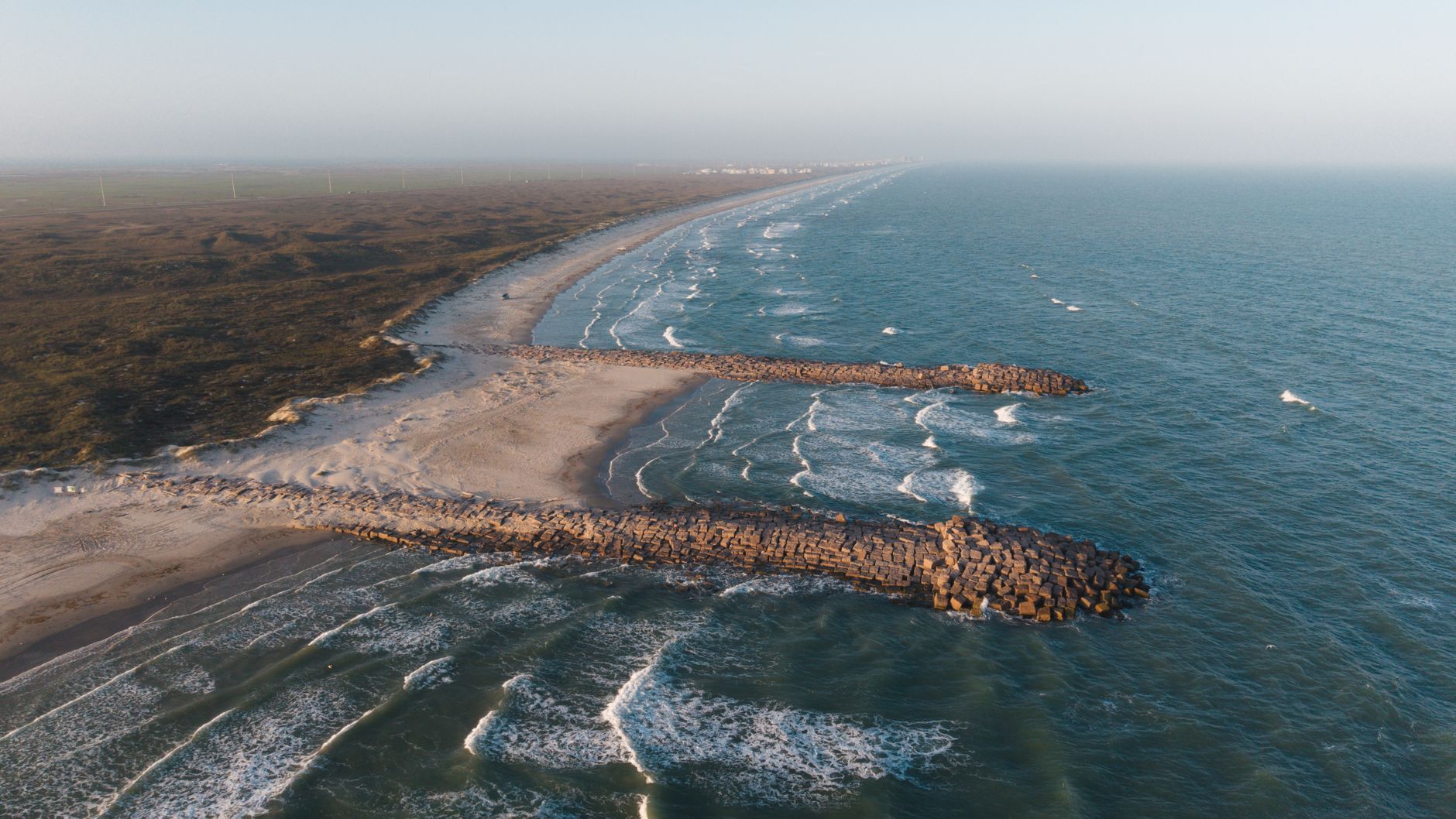
As Texas grapples with rapid growth and intensifying droughts, the state is turning to an ambitious, yet controversial, solution: massive seawater desalination. A landmark $6.4 billion project, set to be the largest in the Western Hemisphere, is advancing on the Gulf Coast. Unlike traditional public water supplies, this facility would be owned and operated by IDE Technologies, an Israeli water treatment giant. This shift to private control raises significant concerns about soaring costs for consumers and the long-term implications for public access to essential resources, highlighting the urgent need for sustainable and equitable water management in a changing climate.
Texas is facing a critical challenge as persistent droughts, intensified by a changing climate, and rapid population growth strain its traditional water sources. This has spurred a move towards seawater desalination, offering a seemingly endless supply from the Gulf of Mexico. The most prominent of these efforts is the Harbor Island project, a colossal undertaking led by Israeli firm IDE Technologies and the Nueces River Authority.
This project marks a significant departure from Texas's long-standing model of publicly owned water infrastructure. With a projected cost of $6.4 billion, this facility, along with hundreds of miles of pipelines, aims to deliver up to 100 million gallons of fresh water daily. While it promises to unlock a vital new water source, ensuring supply even as climate impacts worsen, its private ownership structure is sparking widespread debate.
Critics warn that privatizing such a fundamental resource will inevitably lead to higher costs for consumers. Unlike public utilities, private companies often cannot access low-interest government loans, meaning higher borrowing costs are passed directly to customers. Experts like Mary Grant from Food and Water Watch emphasize that this could worsen the already rising water bills for Texas households, making an essential resource even less affordable. The lack of public oversight also creates uncertainty about long-term pricing and control over future water access.
Proponents, however, argue that private firms assume the financial risks associated with massive infrastructure projects and can execute them more efficiently, avoiding political delays. Mark Ellison, IDE's regional sales director, views the project as an "insurance policy" against running out of water—a critical consideration given the state's severe water challenges. The path to this private venture has been paved by years of political maneuvering and strategic partnerships, including connections reaching back to former Governor Rick Perry's initiatives to foster Texas-Israel economic ties and promote desalination technology.
As Texas navigates its water future in an era of increasing climate variability, the question of who controls and profits from this life-sustaining resource becomes paramount. Ensuring affordable, reliable, and publicly accountable water supplies remains crucial for communities, even as innovative solutions like desalination become necessary responses to environmental pressures.