The 1.5°C Climate Goal: What Happens Next for Our World?

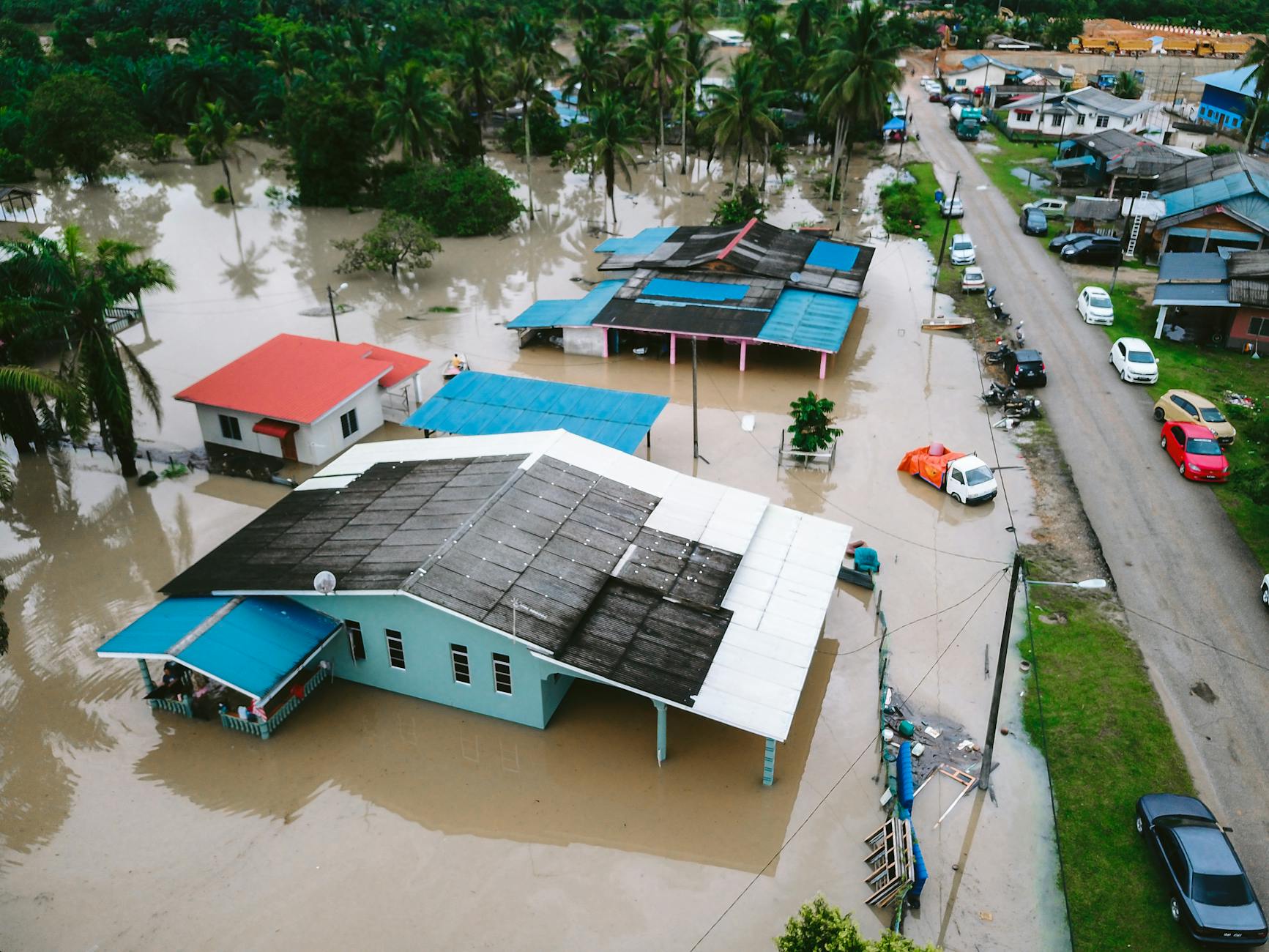
The ambitious goal of limiting global temperature rise to 1.5 degrees Celsius, set 11 years ago in the Paris Agreement, is now considered 'effectively dead' by experts. Recent months have seen temperatures already breach this critical threshold, leading to severe heat waves, wildfires, and floods worldwide. Scientists warn that exceeding this limit will dangerously change our way of life, with projections now pointing to at least 2.6°C warming by century's end. This stark reality underscores an urgent need for collective action to prevent further devastating impacts.
For a decade, the slogan 'Keep 1.5 Alive' united the climate movement, representing the central ambition of the 2015 Paris Agreement to limit global warming. However, just over a decade later, this target has been missed. Climate scientists consistently warned that exceeding 1.5°C above preindustrial levels would usher in a profoundly more dangerous world, characterized by more intense heat, powerful storms, and rising sea levels.
We've already seen a glimpse of this future. Wildfires have ravaged continents, a glacier collapse caused devastation in Nepal, and European heat waves tragically claimed thousands of lives. Experts are calling the current super El Niño a 'time machine to the 2030s,' demonstrating the dire consequences if carbon emissions aren't drastically cut. Should warming continue, the planet risks crossing critical tipping points, like melting Arctic permafrost and rainforest decline.
At the ongoing U.N. climate summit, COP31, diplomats are confronting this reality. While acknowledging the target has been missed, leaders are largely rejecting the idea of setting a new, higher warming limit. Instead, they emphasize that the 1.5°C goal remains crucial. United Nations Secretary General António Guterres urged countries to redouble efforts, stating that while we've overshot, we still have the power to make sure this 'overshoot is a temporary breach, not a permanent sentence.' This means drastic reductions in fossil fuel burning and potentially exploring innovative solutions like large-scale carbon capture or solar geoengineering, though these are still unproven at scale. The message is clear: the urgency for environmental action and sustainable solutions has never been greater.