The Diesel’s Worst News? Uber Backs Tesla Semi

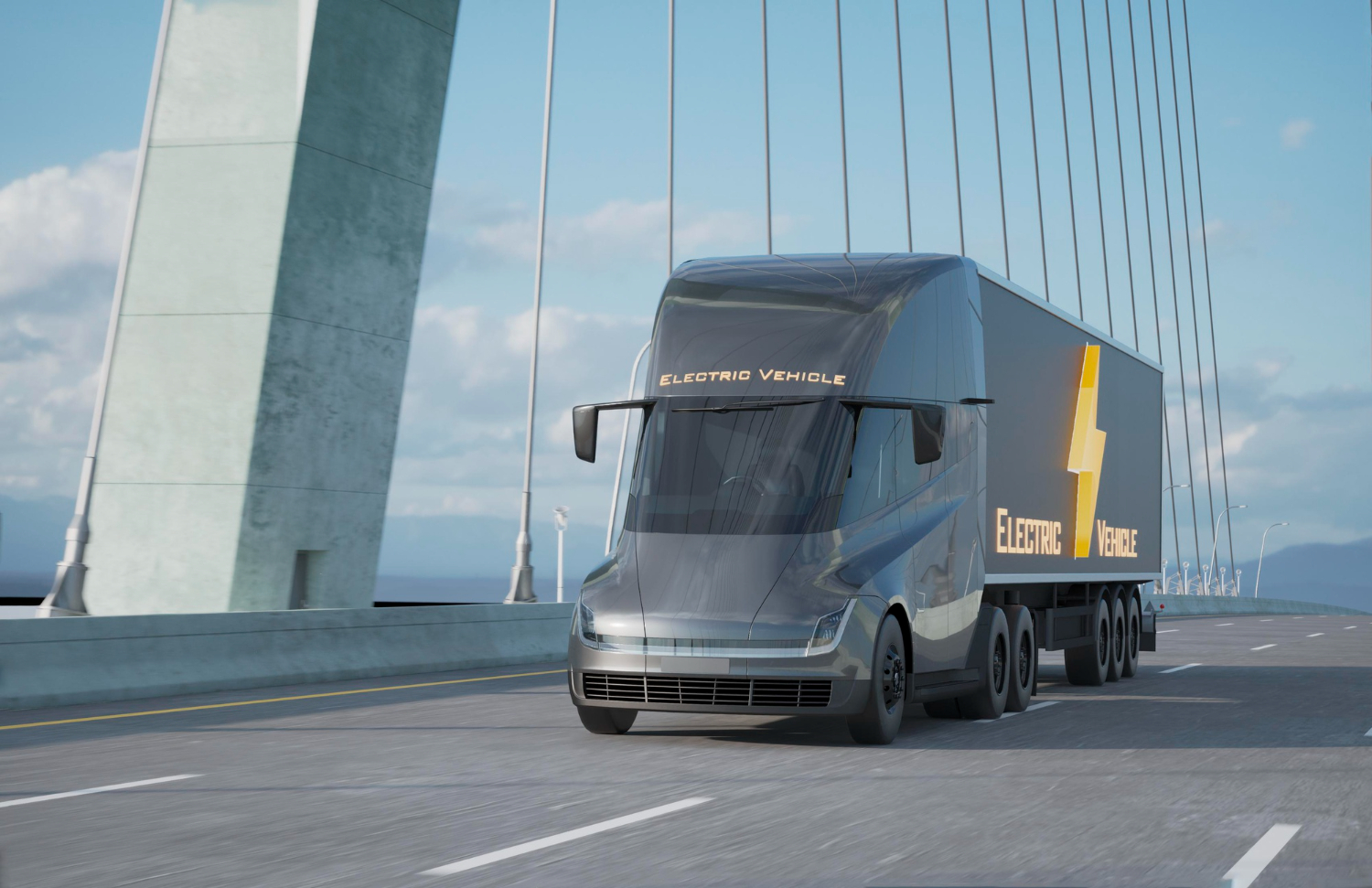
Uber Freight has launched a Dedicated EV Fleet Accelerator Program with Tesla to speed up adoption of electric Class 8 trucks. The scheme pairs purchase subsidies with guaranteed freight and route planning, lowering carriers’ risk while giving them operational guidance from Tesla on total cost of ownership. In a two-month pilot across Uber Freight’s network, Tesla Semis ran 12,377 miles with an average 1.72 kWh per mile, reinforcing the economics behind battery-electric long-haul freight, according to Uber Freight. The push aligns with Tesla’s plan to ramp Semi production in Nevada, where the first factory-built units are targeted by late 2025. Earlier pilots real-world runs have already highlighted durability and potential fuel and maintenance savings.
Uber Freight is teaming up with Tesla to push electric big rigs into mainstream service. Its new Dedicated EV Fleet Accelerator Program aims to remove the usual roadblocks—sticker shock, charging access, and uncertainty around payback—by bundling Semi purchase incentives with dedicated freight contracts and route planning. Participating carriers also get direct support from Tesla on cost-of-ownership assumptions and daily operations, compressing the learning curve for first-time EV fleets. See program details on Uber Freight’s blog.
The case for electrifying heavy trucks leans on fresh data. In a two-month pilot on Uber Freight lanes, carriers logged 12,377 miles in Tesla Semis at an average 1.72 kWh per mile, with only 60 hours of total charging time—evidence that energy efficiency and uptime can meet real-world demands when routes are planned around high-power charging. Those findings echo earlier third-party pilots; for example, logistics firm ArcBest reported strong performance and driver acceptance while noting the need to keep expanding public charging for longer corridors. Read the ArcBest update here.
On specs, Tesla lists up to 500 miles of range on a single charge and the ability to recover roughly 70 percent of that range in about 30 minutes using Megachargers, with energy use under 2 kWh per mile—figures that matter when shippers scrutinize cost per mile and delivery windows. See the official page for details on the Tesla Semi.
Timing is also shifting in Tesla’s favor. The company is preparing its Nevada Semi factory for initial output targeted by the end of 2025, part of a broader workforce ramp-up and tool installation. If production scales as planned and state policies in large freight markets like California and Texas continue nudging operators toward zero-emission trucks, Uber Freight’s program could become a fast-track onramp for fleets that want lower operating costs without gambling on utilization. More on the factory timeline from Reuters.