The Energy Source We Can No Longer Afford to Ignore?

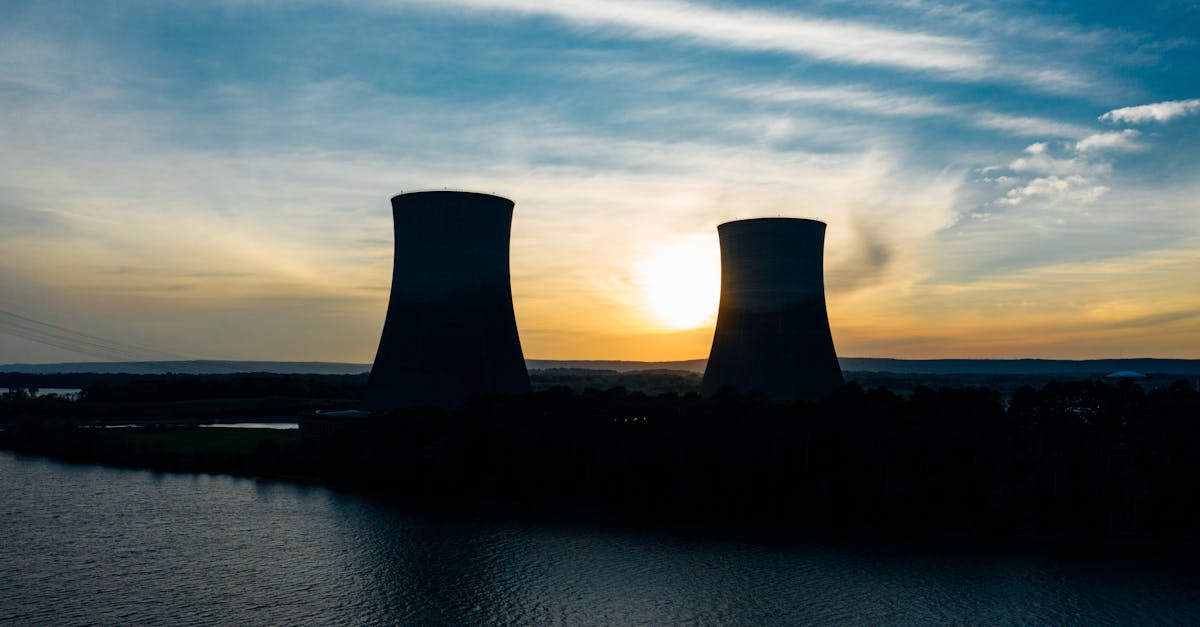
As the climate crisis intensifies, traditional views on energy are being urgently re-evaluated. Many are rethinking long-held opposition to nuclear power, acknowledging its vital role in achieving a carbon-free future. This shift recognizes that the immense and immediate threat of global warming demands an "all hands on deck" approach to energy, prioritizing effective decarbonization over outdated cost-first strategies or fear-driven narratives. It's becoming clear that embracing all clean energy options, including reliable nuclear, is essential to protect our planet.
The pressing reality of the climate crisis is forcing a critical re-examination of our energy strategies. For too long, nuclear power has been sidelined by fears, despite its strong safety record in the U.S. and its ability to provide consistent, carbon-free electricity. The time has come to challenge older perceptions and acknowledge that the dangers of unchecked climate change far outweigh the perceived risks of modern nuclear technology. We must move past outdated arguments and focus on what truly keeps our communities safe and sustainable.
Indeed, some are pointing out that while hypothetical nuclear accidents dominated public discourse, far more immediate threats, like the shocking number of deaths from vehicle accidents, went relatively unchallenged. For instance, a 1994 incident in New York City, where a pregnant doctor was killed by a speeding driver, highlighted how society often overlooks widespread, lethal dangers in favor of less frequent, albeit catastrophic, ones. This perspective suggests that anti-nuclear efforts, while well-intentioned, may have inadvertently distracted from other critical public safety and environmental concerns. Modern U.S. nuclear reactors have achieved an impressive safety record, and despite past incidents like Chernobyl and Fukushima, which had unique root causes, large-scale studies have not credibly linked U.S. nuclear plant operations to increased health issues.
The urgency of decarbonizing our energy grids means we can no longer afford to let fossil fuels continue to dominate. The old idea of only pursuing the absolute cheapest energy first, a concept that once shaped energy policy, is no longer viable given the irreversible harm caused by burning fossil fuels. Now, the new rule is simple: any energy source or energy-saving measure that displaces fossil fuel use at a cost lower than the environmental damage caused by those fuels should be pursued vigorously. This means nuclear power should be considered a vital part of our clean energy mix, even if its upfront costs differ from other renewables, because its long-term benefits in fighting climate change are immense.
New analysis suggests that modern nuclear plants, especially those built with standardized designs and in clusters, can be constructed at a much lower average cost than often claimed, significantly less than recent projects like Vogtle 3 and 4 in Georgia. The likelihood of extreme cost overruns has also been shown to be surprisingly low, akin to calling six coin flips correctly in a row. While nuclear plants take time to build, so do large-scale renewable projects and their necessary transmission lines. The important thing is that these plants, alongside innovations like balcony solar, all contribute to reducing carbon emissions. In the race against time, nuclear power and renewable energy aren't rivals; they are essential partners, an "all hands on deck" team working to secure a livable future for everyone. It’s about leveraging every available carbon-free solution to ensure a healthy planet for generations to come.