The Hidden Climate Cost Communities Can’t Escape

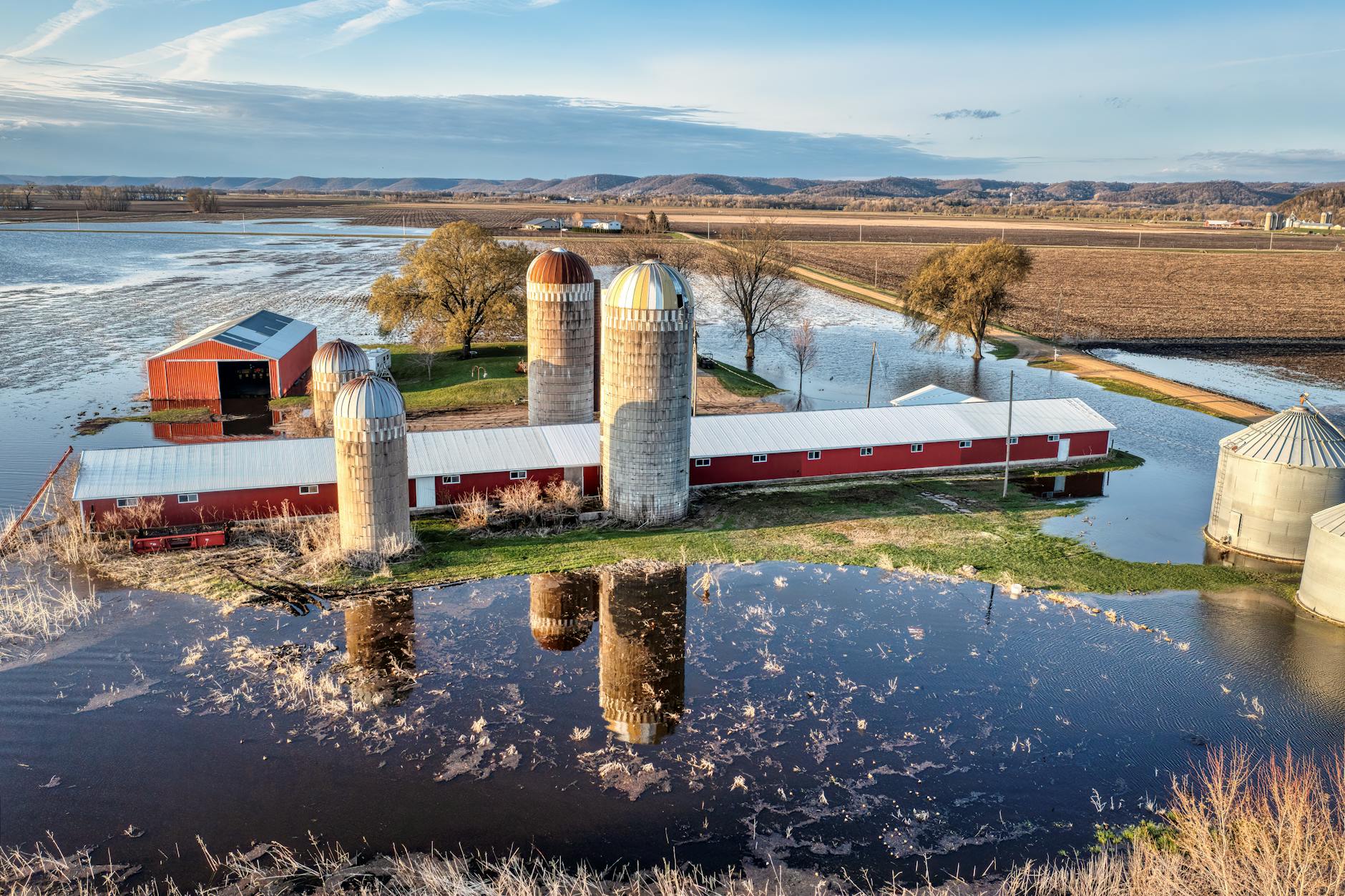
Communities across the globe are facing a new, insidious challenge: 'disaster fatigue.' As climate change intensifies, extreme weather events like floods and wildfires strike more frequently, leaving little time for recovery. This relentless cycle, vividly illustrated by places like Del Rio, Tennessee, which was devastated again after a previous hurricane, is taking a significant toll. Experts warn that this constant stress isn't just physical; it's eroding mental health and community resilience, making urgent climate action more critical than ever.
In places like Del Rio, Tennessee, severe flooding and mudslides recently ripped through a community still reeling from a hurricane just two years prior. This heartbreaking reality is a prime example of 'disaster fatigue'—a growing psychological risk fueled by our changing climate.
When extreme weather events, from heatwaves to wildfires and floods, hit repeatedly, the physical and emotional toll can be immense. Research shows this constant stress leads to anxiety, burnout, and even impacts people’s willingness to evacuate when the next storm approaches. It’s not just about rebuilding homes; it’s about the emotional exhaustion of continually starting over.
Recovery is often complex. Beyond the immediate destruction, communities grapple with long-term health risks from pollution and stress. Socioeconomic disparities can complicate recovery, as can the lengthy, often traumatic, process of dealing with insurance companies. While financial aid helps, it's most effective when it meets genuine needs, rather than overwhelming communities with unneeded donations.
This relentless assault on communities underscores the urgent need for robust environmental action and sustainable solutions. Our planet is signaling a clear warning through these increasingly frequent and severe events. Every effort to slow global warming, from local resilience planning to broader policy changes, helps protect not just homes, but the mental well-being of those on the front lines of climate change.
Beyond these struggles, other climate-related developments are shaping our future. The Trump administration recently finalized a rule rescinding some habitat protections under the Endangered Species Act, a move conservation groups are challenging in court. This decision could open the door for more fossil fuel extraction, further jeopardizing vulnerable ecosystems.
However, there are also signs of progress. Companies are increasingly installing electric vehicle (EV) chargers at popular spots across the southern U.S., making it easier for people to choose cleaner transportation options. This expansion reflects a growing demand for EVs and highlights the benefits of electrification—reducing emissions and offering a cleaner alternative to traditional gas cars.
Meanwhile, another heat dome is blanketing parts of the U.S. this week, with the National Weather Service predicting record-breaking temperatures, many expected at night. This lack of nighttime cooling is particularly dangerous, denying people crucial relief. These ongoing events are a stark reminder of the accelerating pace of climate change and the collective action needed to build a more sustainable and resilient future for all.