The Ocean's Future Hangs in the Balance. What Will You Do?

Our planet's oceans are facing immense pressures from changing policies and an escalating climate crisis. A recent opinion piece highlights how various administrative decisions, from halting clean energy projects to undermining environmental protections, are significantly impacting marine ecosystems. With record-breaking marine heatwaves and climate-linked disasters, the health of our oceans has never been more critical. The upcoming midterm elections offer a pivotal opportunity for voters to support leaders committed to safeguarding our blue world and promoting sustainable solutions.
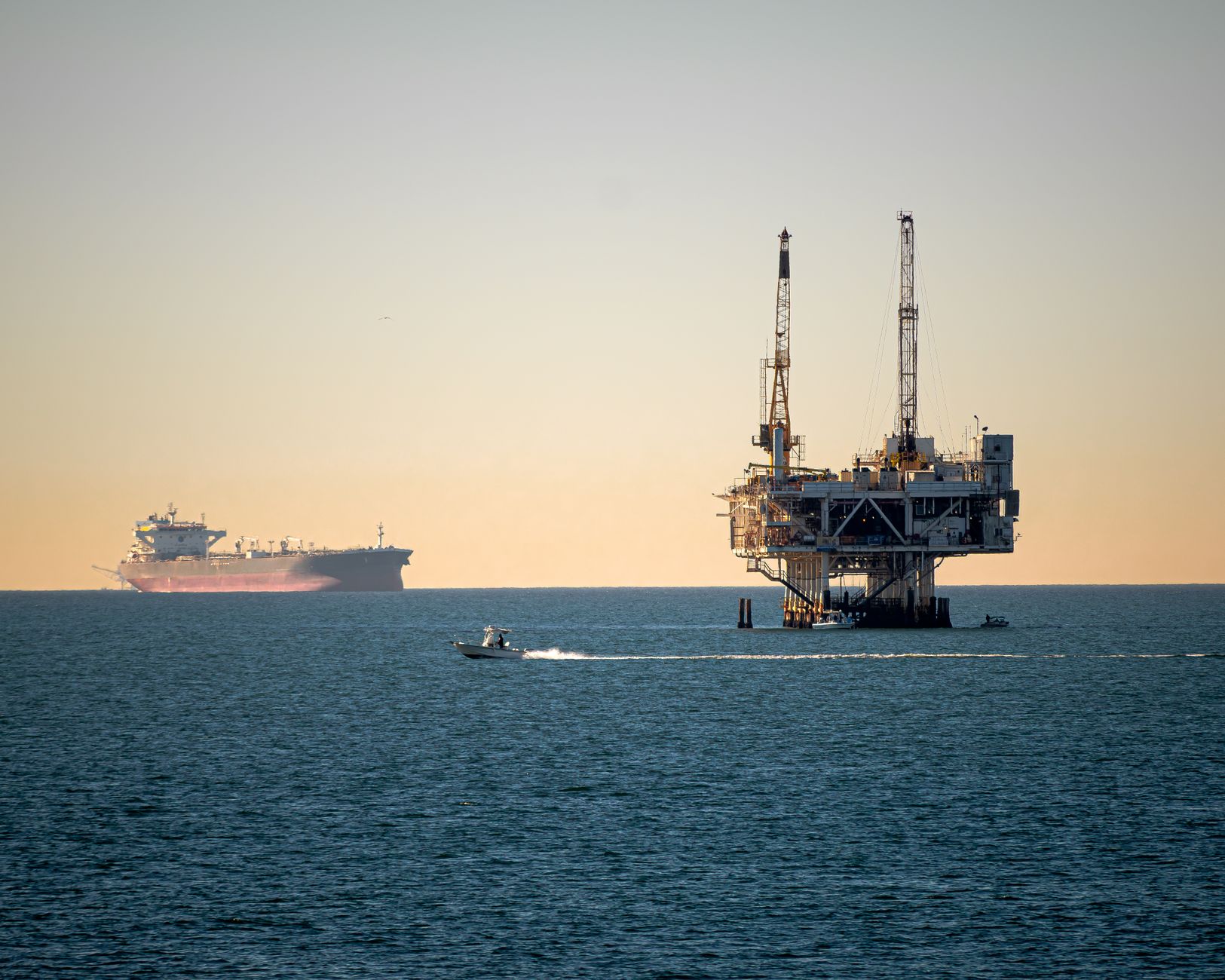
The current administration has drawn sharp criticism for policies that observers say prioritize fossil fuels over ocean health and renewable energy. Critics point to efforts to shut down offshore wind power projects, which are vital for clean energy transition, in favor of more oil and gas drilling. These moves not only hinder progress towards electrification but also increase the risks of pollution and habitat destruction for marine life. For example, attempts to open new offshore drilling leases and challenge California's coastal protection authority have raised alarms about widespread environmental degradation.
Concerns also extend to scientific research and oversight. There have been reports of attempts to decommission crucial ocean tracking initiatives, like the Ocean Observatories Initiative decommission, and significant changes within the National Oceanic and Atmospheric Administration (NOAA) gutting. Such actions can undermine our ability to understand and respond to critical environmental changes, especially as climate impacts intensify.
Further policies, including opening national marine monuments to commercial fishing and fast-tracking deep-sea mining, threaten biodiversity and fragile ecosystems. Undermining protections like the Endangered Species Act and supporting unprofitable coal-fired power plants accelerate greenhouse gas emissions, directly contributing to global warming and harming marine species like sea turtles and right whales.
These policy decisions occur against a backdrop of severe climate-linked disasters, including marine heatwaves and a 'super El Nino,' which are already contributing to coastal flooding and extreme weather events. The urgency of addressing these challenges cannot be overstated. With midterm elections approaching, voters have a chance to support candidates who champion environmental protection, sustainable solutions, and the critical importance of a healthy ocean for our planet's future and our economies. Assessing candidates' commitment to science and climate action is more important than ever.