The overlooked greenhouse gas 24,300x worse than CO2.

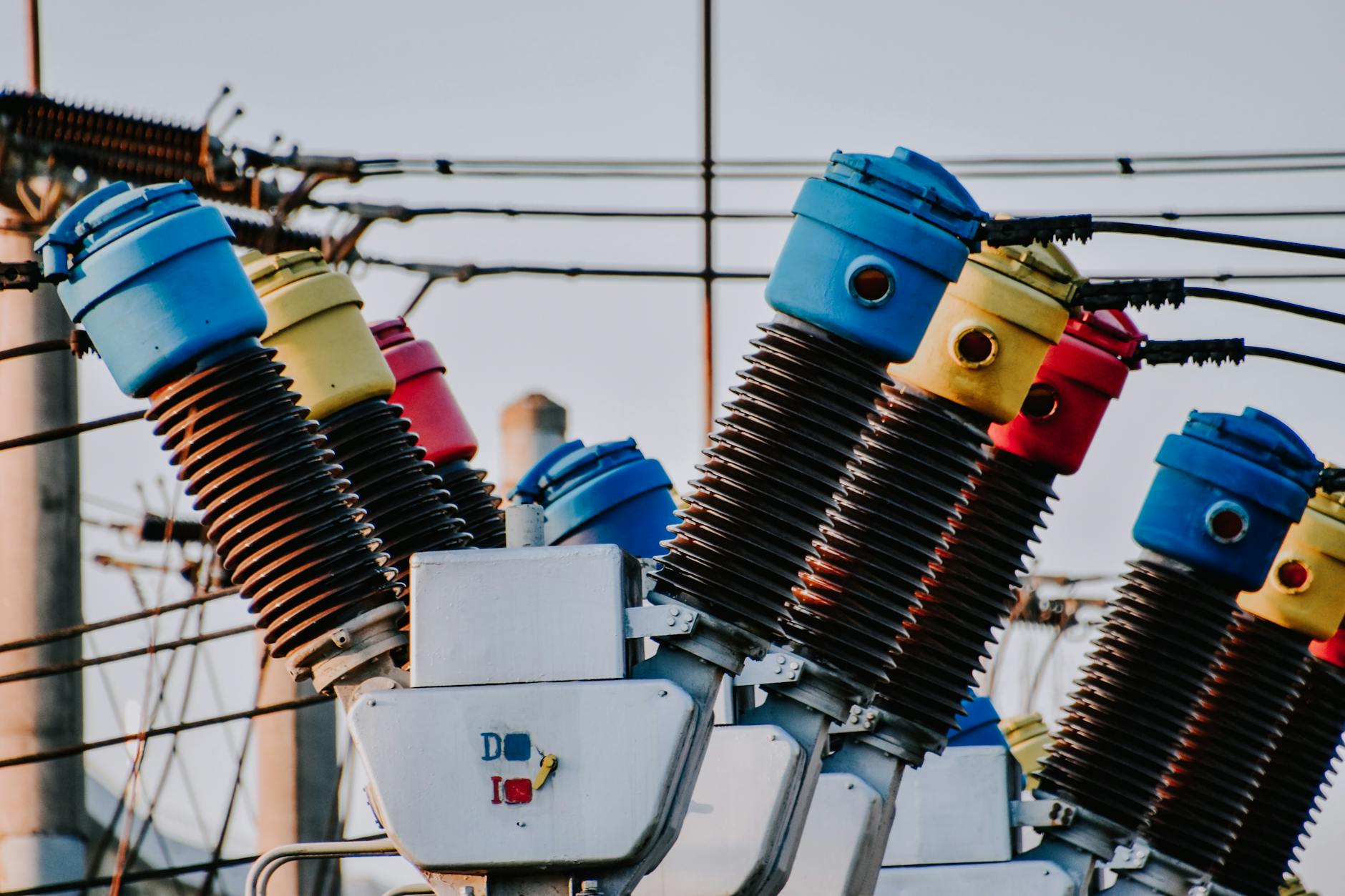
Germany has launched a crucial international initiative, the 'Global SF6 Pledge,' to tackle sulfur hexafluoride (SF6) emissions. This potent greenhouse gas, used primarily in electric power equipment, has been largely overlooked despite being 24,300 times more effective at trapping heat than carbon dioxide and persisting in the atmosphere for a millennium. With global warming accelerating, addressing every significant contributor is vital. The pledge aims to encourage countries to monitor, report, and drastically reduce SF6 releases, especially as nations like China rapidly expand their power grids, making immediate action essential for climate protection.
Sulfur hexafluoride, or SF6, is an astonishingly powerful greenhouse gas, warming our planet 24,300 times more effectively than carbon dioxide. What makes this even more concerning is its extreme longevity, lingering in the atmosphere for a thousand years. Despite its potency, SF6, primarily used as an electrical insulator in high-voltage power equipment, has largely escaped significant climate policy attention until now. This oversight is a critical gap in our collective efforts to combat climate change, demanding urgent action to safeguard our future.
The newly launched Global SF6 Pledge, spearheaded by Germany, aims to finally put a spotlight on this invisible threat. It calls on nations to monitor, report, and actively reduce SF6 emissions from their electric power sectors. The good news is that reducing these emissions is achievable through straightforward methods like recycling the gas instead of releasing it, improving equipment to prevent leaks, and adopting cleaner, alternative insulating technologies. These steps not only curb pollution but also align with the broader shift towards more sustainable and electrified energy systems that are cleaner by design.
However, the challenge is significant, with more than half of global SF6 emissions originating from China, a country rapidly expanding its electrical infrastructure, as a recent Inside Climate News analysis concluded. While China has released its National Climate Change Response Plan expressing intentions to manage SF6, its commitment to the pledge remains to be seen. Similarly, despite the U.S. being a major emitter, with 328 metric tons released in 2023 primarily from the electric power sector according to EPA data, its regulatory environment faces uncertainties as the agency considers scrapping reporting requirements. The European Union and the United Kingdom have already endorsed the pledge and are moving towards phasing out SF6 in new electrical equipment in January, proving that real progress is possible. This global effort underscores that while voluntary commitments like the Global Cooling Pledge and Global Methane Pledge are a start, they must be backed by strong national regulations and a shared commitment to environmental protection to truly succeed. Every action, no matter how seemingly small, contributes to the monumental task of securing a livable planet for generations to come.