The Secret to a Garden That Defies Climate Stress?

Home gardeners often face challenges from a changing climate, with intense storms flooding beds and dry spells parching soil. But there's a simple, natural solution gaining traction: cover crops. These special plants, not grown for harvest, are key to building healthy, nutrient-rich soil that can better withstand extreme weather. By embracing this sustainable practice, gardeners can create more resilient ecosystems right in their own backyards, fostering environmental well-being even as global warming intensifies.
Lee Rinehart, a sustainable agriculture specialist in Pennsylvania, has found a simple yet powerful way to help his garden thrive amidst unpredictable weather. When most gardens are winding down for the season, he plants cover crops. These aren't meant for eating; instead, they work silently to build rich, healthy soil, bringing back that earthy feel and smell we all recognize as good.
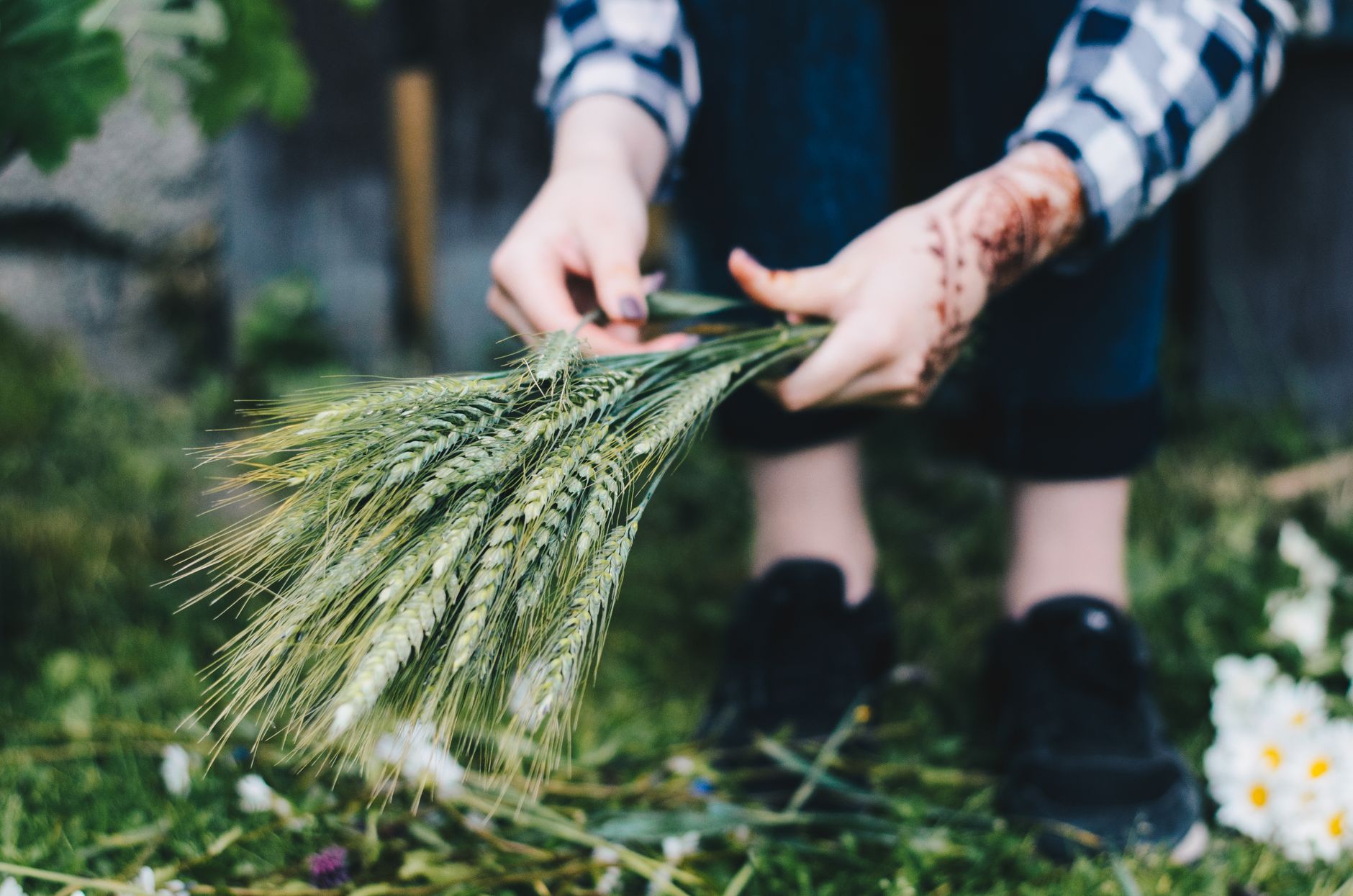
Rinehart plants varieties like winter rye, red clover, and hairy vetch. Throughout winter, their roots anchor and open up the soil, stabilizing it and helping it breathe. Come spring, he cuts these plants and mixes them into the garden beds. As they break down, they naturally enrich the soil with vital nutrients, creating a vibrant foundation for new growth.
This approach transforms the soil into a loose, rich bed that can soak up more water during heavy storms, preventing puddling and seedling drownings. Crucially, healthy soil also holds onto moisture longer during dry spells, acting as a natural buffer against drought. Embracing cover crops is a straightforward step towards more sustainable gardening, empowering individual action for a healthier planet in the face of our changing climate. As Lee Rinehart shows, preparing your garden now can mean success even in a changing world.