The Simple Fix for Plug-In Hybrids That Aren't Plugged In?

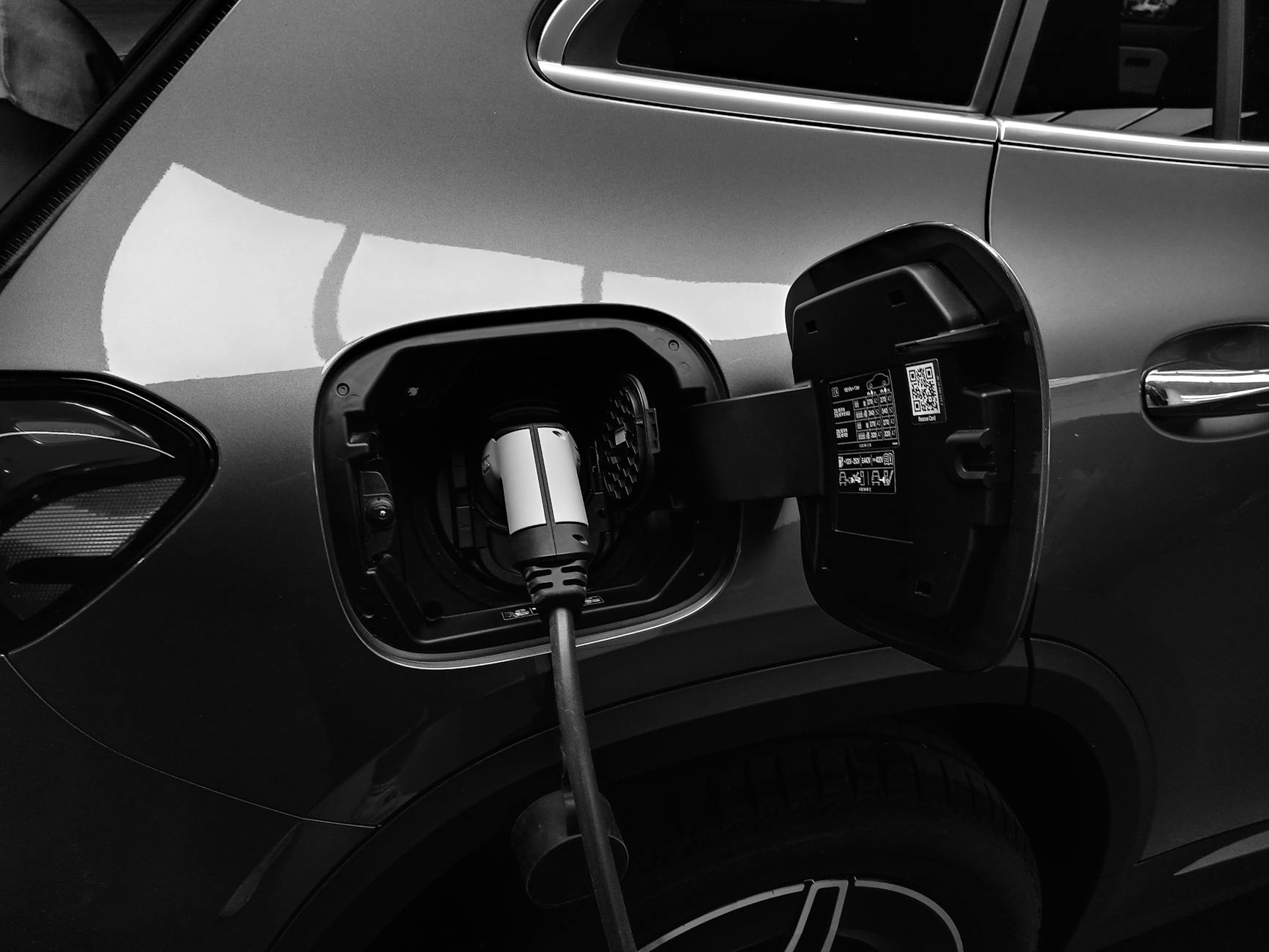
Plug-in hybrid electric vehicles (PHEVs) promise a blend of electric and gas driving, but many owners aren't plugging them in, undermining their environmental benefits. A new report by Transport & Environment (T&E) reveals that European PHEVs are emitting far more CO₂ than official figures suggest. To tackle this, T&E proposes a surprising solution: give these vehicles much smaller gas tanks, alongside longer electric ranges and faster charging. This shift aims to truly make electricity the primary power source, pushing us closer to cleaner transportation goals.
Many plug-in hybrids are designed to run on electricity for daily commutes and switch to gasoline for longer trips. However, a significant problem has emerged: drivers often don't charge them, essentially turning them into heavier, less efficient gasoline cars. This lack of charging dramatically increases their real-world emissions and cancels out their intended climate advantages.
According to a detailed analysis by Transport & Environment (T&E), European PHEVs registered in 2024 emitted nearly six times their official CO₂ figures. This means their actual environmental impact is far greater than what manufacturers claim, making them only slightly better than conventional cars in practice, despite appearing much cleaner on paper. Data showed that pure-electric driving accounted for only 27% of the distance traveled, highlighting a major missed opportunity for emissions reduction.
To bridge this gap and boost genuine electrification, T&E is urging policymakers to incentivize PHEVs with very small fuel tanks, capping them at about 15 liters (around four U.S. gallons). The idea is that less gas capacity would strongly encourage owners to rely more on electric charging. Beyond smaller tanks, T&E recommends future PHEVs should have a real-world electric range of at least 200 kilometers (124 miles) by 2030, support fast DC charging, and feature electric motors powerful enough to handle most driving without needing the gas engine to kick in frequently.
This approach aims to make the electric powertrain the main event, relegating gasoline to a true backup. Vehicles like the Lynk & Co 08, with its substantial battery and electric-first design, demonstrate how effective a PHEV can be when built with a focus on electric performance. By prioritizing electric capability and making gasoline less convenient, these changes could significantly reduce real-world emissions, cut running costs, and accelerate our transition to sustainable transport.
Ultimately, making PHEVs work as intended is crucial for meeting climate goals. These proposed changes would ensure that plug-in hybrids live up to their potential, contributing meaningfully to environmental protection and cleaner air, rather than adding to the problem with hidden emissions.