The surprising comeback reshaping how we drive [Data]

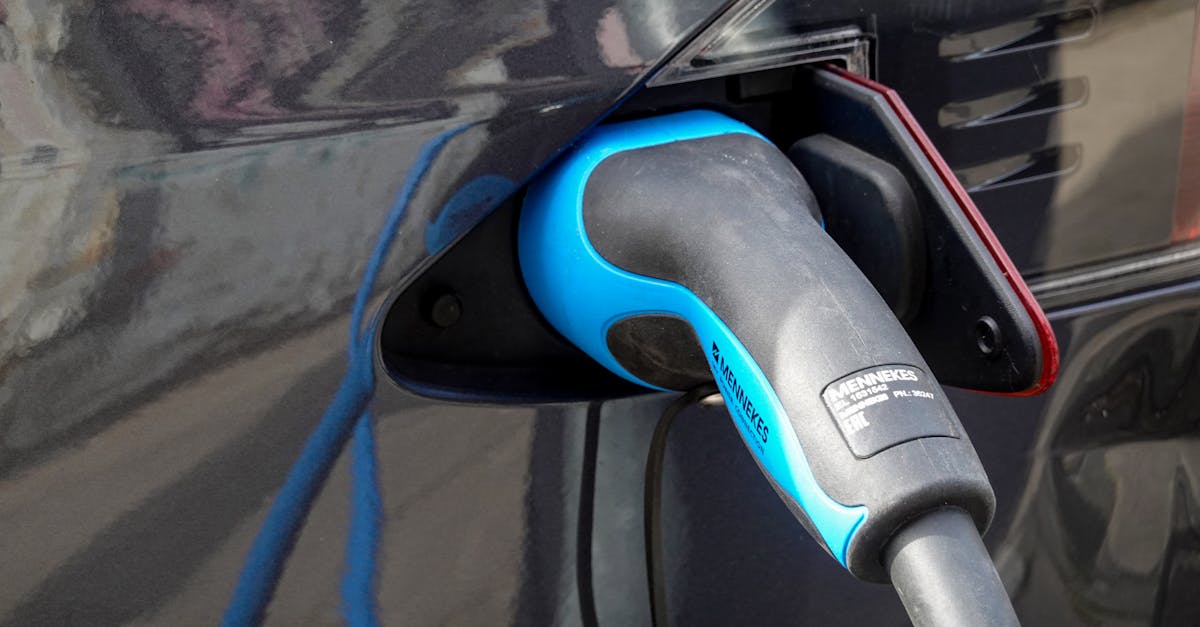
After years in the shadows, hybrid cars are making a stunning return to popularity worldwide. With high gasoline prices and electric vehicle (EV) sales cooling due to cost and charging concerns, consumers are increasingly choosing hybrids for their blend of fuel efficiency and convenience. This unexpected surge highlights a pivotal moment in our transition to greener transport, offering a tangible step towards reducing emissions while full electrification takes hold. Major automakers are ramping up production to meet this renewed demand.
Global sales of hybrid vehicles are soaring, now accounting for significant portions of new car sales in countries like the U.S., Spain, and Japan. This resurgence comes as EV sales face headwinds from steep prices and inconsistent charging infrastructure, making hybrids an attractive middle ground for many drivers.
Consumers are drawn to hybrids because they are typically more affordable than EVs, offer a longer driving range, and can be refueled easily at any gas station. Automakers also find them appealing, earning a premium of $1,500 to $3,000 per vehicle over gasoline-only models, according to Edmunds.com. This allows companies to invest further in sustainable vehicle development. Toyota, a long-time champion of hybrid technology, is leading the charge, even designing new models, like the RAV4, to be hybrid-only from the start.
Toyota's foresight is evident in its decision to share hybrid-related patents, fostering a larger supply chain and encouraging wider adoption of the technology. This strategy, combined with advancements in hybrid systems making them smaller, lighter, and more efficient, has made them a compelling option globally. In Mexico, for instance, a sales advisor noted that 70% of customers initially looking for a gasoline car leave with a hybrid once they see the fuel savings.
While automakers still believe EVs are the ultimate future, the path to full electrification may be longer than anticipated. Hybrids serve as a crucial bridge, significantly reducing fossil fuel consumption and carbon emissions compared to traditional gasoline cars. Their growing popularity underscores the urgency of finding practical solutions to climate change, ensuring that every vehicle sold contributes to a cleaner environment even as we work towards a fully electric future. The shift towards more fuel-efficient cars, regardless of propulsion method, is a positive step for collective climate action, easing the transition and making sustainable choices more accessible.
Looking ahead, analysts project hybrids could make up as much as 40% of global car production by 2030. The National Automobile Dealers Association reported that hybrid deliveries in the U.S. jumped 19% in the first half of this year. Even in regions like India, where EVs receive significant government incentives, hybrids are gaining traction rapidly, with major manufacturers preparing new plug-in hybrid releases. This widespread acceptance confirms that hybrids offer a vital, immediate solution for reducing our environmental footprint while paving the way for a more sustainable tomorrow.