The unexpected secret weapon helping coral reefs survive

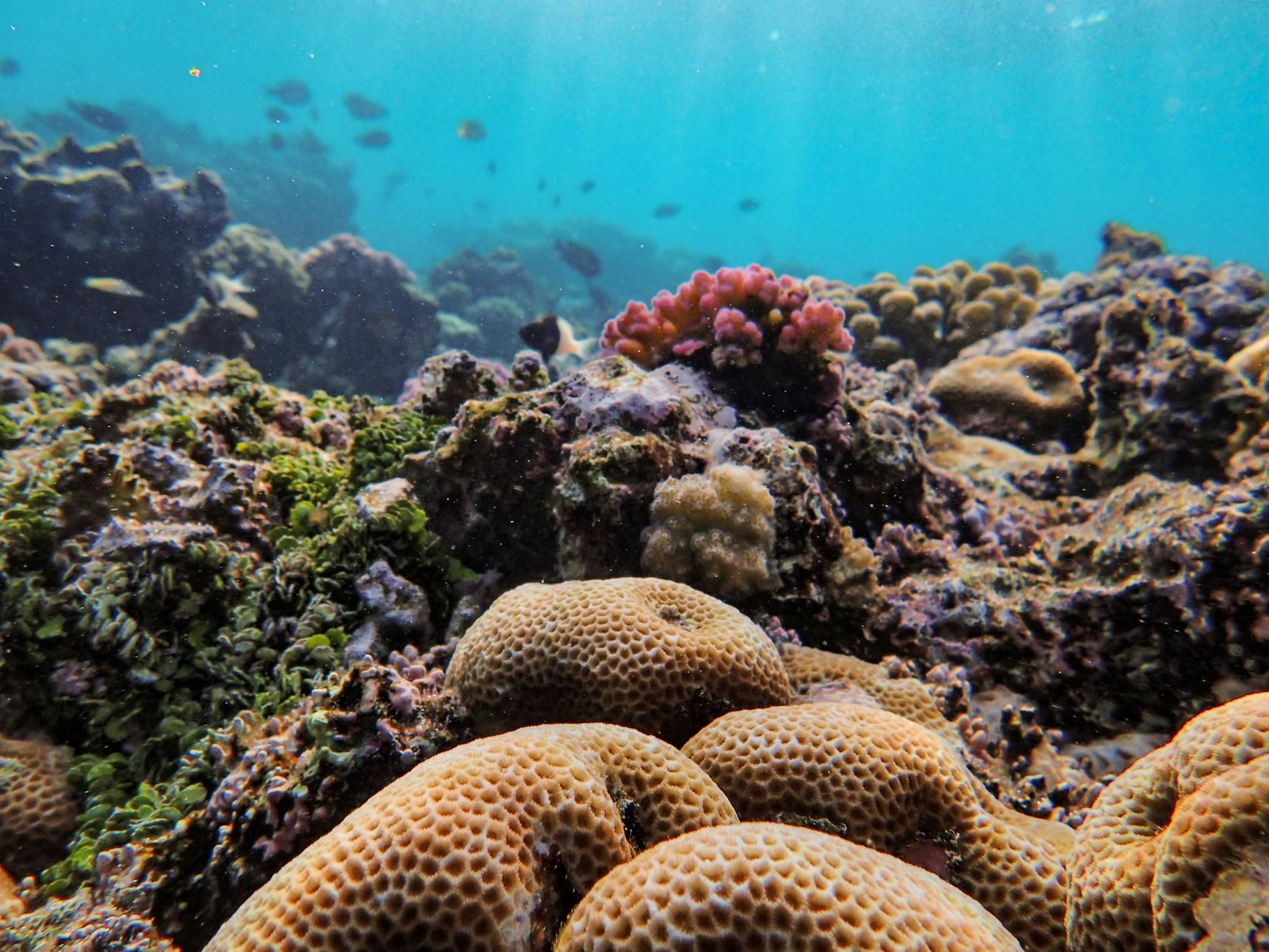
In the remote Pacific, pristine coral reefs face growing threats from a changing climate. Scientists have uncovered a surprising, vital link between these underwater ecosystems and the seabirds soaring above them. It turns out, restoring healthy seabird colonies can provide critical nutrients, acting as a natural fertilizer to strengthen reefs. This unique partnership offers a powerful, nature-based solution to help our planet's vibrant coral ecosystems bounce back and adapt to a hotter world.
Far out in the Pacific Ocean, some of the world's most untouched coral reefs thrive alongside teeming seabird colonies. What connects these two seemingly separate worlds is a cycle of nutrients delivered by bird guano. As seabirds like red-footed boobies and white terns feed at sea and return to land, they deposit nutrient-rich droppings that wash into the ocean during heavy rains. This enriches the marine food web, nourishing everything from tiny plankton to manta rays, and even providing a boost to the corals themselves.
However, this natural partnership has been disrupted in many places. Historical factors like the establishment of coconut plantations and the introduction of invasive species, such as rats, led to a decline in seabird populations. With fewer birds, the flow of vital nutrients to the ocean ecosystem slowed, weakening the reefs.
At places like Palmyra Atoll, conservationists are actively working to reverse this damage. They are removing dense, invasive coconut palms that replaced native forests preferred by seabirds and have successfully eradicated rats, which preyed on ground-nesting birds. These efforts have seen ecosystems rebound quickly, with native forests returning and seabird populations flourishing once more, including the reappearance of species thought lost.
These local conservation successes are more important than ever. Coral reefs globally are highly vulnerable to rising ocean temperatures caused by climate change, leading to more frequent and intense bleaching events. Research suggests that if global warming exceeds 1.5 degrees Celsius, between 70%-90% of coral reefs worldwide won't survive. By restoring natural processes and boosting the health of surrounding ecosystems, we give reefs the best possible chance to recover between these events and build resilience against the impacts of a hotter climate. Lessons learned from places like Palmyra Atoll, where scientists first noticed manta rays were more commonly seen near seabird colonies, are now being applied to other islands, emphasizing that protecting these small atolls has a massive ripple effect across vast stretches of the ocean.