The Unseen Anguish Behind Our Daily Meals

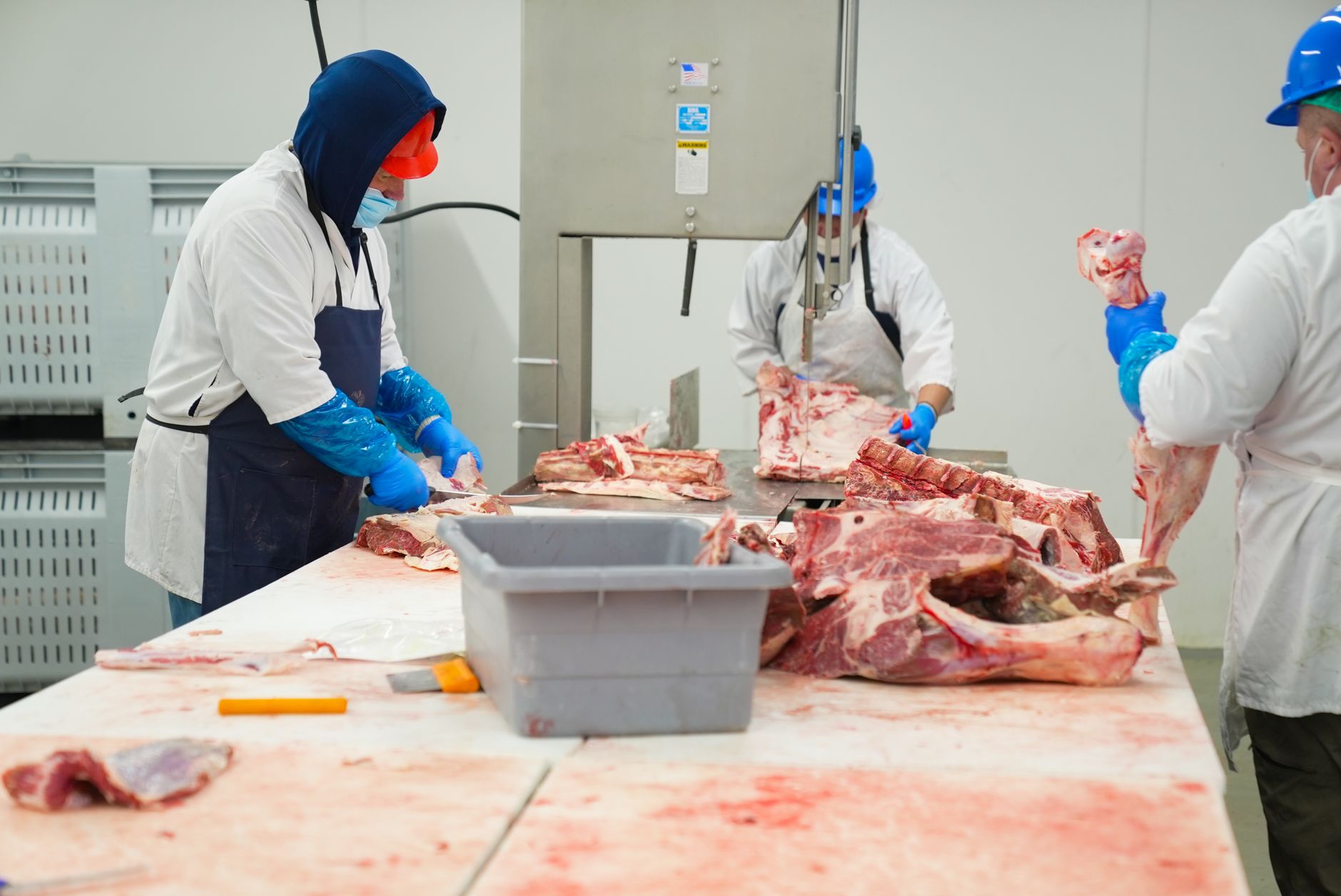
While debates rage over workplace heat, some jobs hide a colder, deeper trauma. A former slaughterhouse worker's account reveals the harrowing reality behind the scenes of meat production. This isn't just about physical danger; it's about the profound psychological toll on workers forced to participate in what they describe as 'mechanized murder.' The story underscores the hidden costs of our food systems, impacting both human mental health and animal welfare in ways many never see.
The journey into a slaughterhouse often begins with limited options, much like the author's path from school to an abattoir. Witnessing the brutal reality of animal slaughter, from thrashing cows to cowering lambs, quickly replaces any naive expectations. The work involves not just killing, but sometimes the gruesome task of opening pregnant cows to remove calves, some of whom are then killed by blunt force.
This isn't just a physically demanding job; it's a soul-crushing one. Slaughterhouse workers face alarmingly high rates of depression and anxiety, up to 50 percent higher than the general population. This psychological burden often leads to destructive coping mechanisms, from substance abuse to increased aggression. The very nature of the work—performing acts linked to trauma and emotional numbing—makes it nearly impossible for employers to meet basic worker protection standards, including mental health safeguards.
Beyond the mental toll, physical dangers are rampant, with frequent injuries and even cases of modern slavery uncovered in facilities. The vast scale of the industry, killing over a billion animals a year in Britain alone, means tens of thousands of people are subjected to this environment. This situation forces us to confront the true cost of our food choices, urging a deeper look into the sustainability and ethics of systems that inflict such immense suffering on both animals and the people who work with them. It highlights the urgent need to reconsider the unseen consequences of industrial meat production.