The Unseen Crisis: What's Making Our Antibiotics Fail?

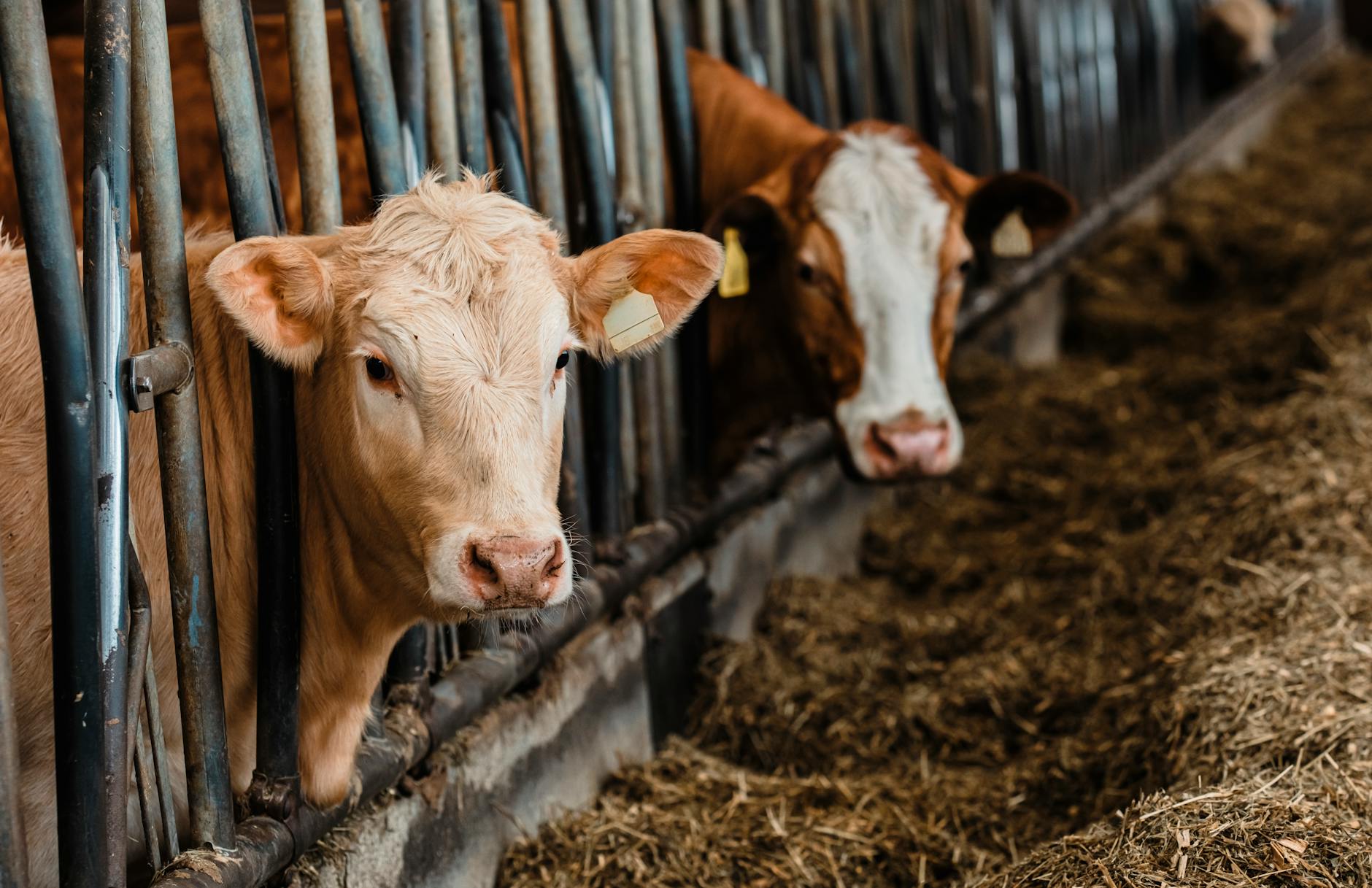
The life-saving power of antibiotics is rapidly diminishing, threatening to make common infections untreatable. This alarming rise in antimicrobial resistance (AMR) is largely fueled by the overuse of these vital drugs, particularly in animal agriculture. With an estimated 70 percent of global antibiotics used in farm animals, practices like intensive farming create ideal conditions for resistance to emerge and spread. Compounding this challenge, climate change is intensifying the crisis, making animals more susceptible to disease and accelerating the spread of resistant pathogens. This global health emergency demands urgent action, linking human, animal, and environmental well-being.
The silent threat of antibiotic resistance is becoming a loud alarm, risking a future where simple infections become deadly. We've known about this danger since penicillin's discovery, yet the problem has grown, largely due to how we use these vital drugs.
A significant driver is the widespread use of antibiotics in animal farming. Globally, around 70 percent of antibiotics are given to farm animals, often not to treat sickness but to promote growth or prevent disease in crowded, intensive conditions. This constant exposure allows bacteria to evolve, making our medicines less effective over time, a concern highlighted by experts like the WHO and studies in publications such as PNAS Nexus.
The consequences are dire. Resistant bacteria, including superbugs like MRSA and untreatable E. coli, can spread from farms to humans through the food chain and the environment. This interconnectedness is why scientists view antimicrobial resistance (AMR) as a 'One Health' problem, emphasizing that human, animal, and environmental health are inseparable, as explored in a Nature article.
Adding another layer of urgency, climate change is accelerating this crisis. Rising temperatures weaken animal immunity, making them more prone to infections and increasing the pressure for antibiotic use. Extreme weather events like floods and droughts can further spread resistant bacteria and their genes through water and soil. Research, including a scientific review and a study in The Lancet Planetary Health, suggests that climate change directly worsens antibiotic resistance in pathogens like Salmonella and may even be linked to the rise of drug-resistant fungi such as Candida auris.
While some countries, like the UK, have made strides in reducing farm antibiotic use, the global challenge remains. Trade policies complicate matters, as imported meat might come from systems with lower standards, undermining domestic efforts. The solution isn't just new regulations, but a fundamental shift in farming: embracing higher welfare standards, providing animals more space, and moving towards less intensive systems. These changes, as championed by groups like The Alliance to Save our Antibiotics, can dramatically reduce reliance on antibiotics and, by extension, slow the spread of resistance.
Protecting our existing medicines is paramount. This means reducing unnecessary use in both people and animals, improving hygiene, and investing in sustainable practices that keep animals healthy without constant medication. We cannot assume science will always provide new drugs; bacteria constantly evolve. The loss of effective antibiotics isn't a sudden catastrophe, but a quiet, accumulating crisis, patient by patient, farm by farm. The time to act decisively for our collective health and the environment is now.