The US is Falling Behind in a Crucial Race: What It Means for Our Future

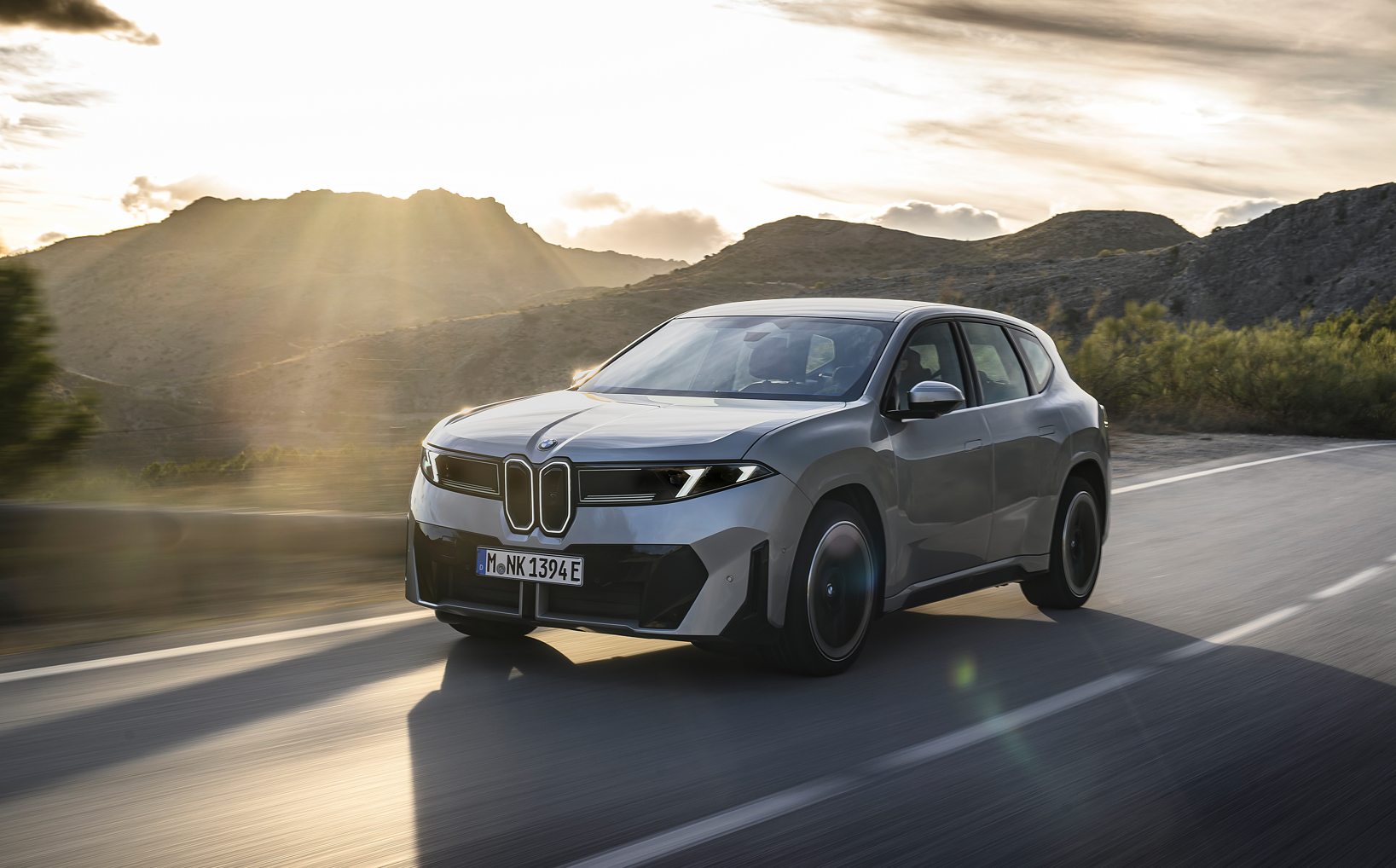
Globally, the electric vehicle (EV) market is rapidly expanding, with one-quarter of all new cars sold in 2025 being electric. This shift is vital for tackling climate change, as EVs significantly cut transportation emissions. However, the U.S. has seen its EV adoption plateau at just 10% of new sales since 2023. Countries like China and many in Europe are embracing this cleaner technology at a much faster pace, allowing China to lead in global auto exports and raising questions about future economic leadership. This divergence highlights a critical missed opportunity for climate action and economic growth in the U.S.
The global push for electric vehicles is transforming transportation, a key step in fighting climate change. Road transport contributes about 12% of global climate emissions, making the move to EVs a "highly recommended" climate solution that could reduce carbon pollution by over 2 billion tons annually worldwide, according to experts at Project Drawdown. Replacing gas-powered cars with electric ones is essential, even as we encourage walking, biking, and public transport as the lowest-emissions options.
Around the world, the EV market is booming. A quarter of all new cars sold globally this year were electric, a number expected to reach half by the early 2030s. China is at the forefront of this revolution, with over half of its new car sales being electric or plug-in hybrids. This has made China the world's largest auto exporter, even allowing them to export more fossil-fueled cars as their domestic demand shrinks. Southeast Asian nations are also rapidly adopting affordable Chinese EVs, with some countries now rivaling Europe in EV market share, leaving the U.S. far behind.
Meanwhile, the U.S. EV market has stalled, with electric vehicles accounting for only about 10% of new car sales. While previous efforts aimed to boost adoption with tailpipe emissions standards and tax credits, recent policy changes, including the repeal of these standards and tax credits by the Trump administration, have created significant headwinds. Furthermore, Americans show a strong preference for larger SUVs and trucks, which make up about 80% of new car sales, unlike other countries. This reluctance to switch means Americans are still relying heavily on gas, missing out on the cleaner air and lower ownership costs that come with electrification. The International Energy Agency estimates that EV deployment will account for about 10% of the total emissions prevented by climate policies globally in 2030.
Despite these challenges, there's hope for the U.S. Some Congressional Democrats are working to protect investments in EV charging infrastructure. Major automakers like Ford and GM are also planning to introduce more affordable EV models, which could double the options available under $42,000 by 2026. Studies show that many EVs are already cheaper to own than gasoline cars due to lower fuel and maintenance costs, a finding by Energy Innovation. However, overcoming public skepticism remains a hurdle, with most Americans still preferring fossil-fueled vehicles for their next purchase. As a result, predictions from DNV suggest Americans are expected to trail the rest of the world on EV adoption until the 2040s.
There are now more than 50 million EVs on roads globally, a figure projected by DNV to quadruple by 2030, largely driven by China’s rapid deployment. This global shift is already making a difference: climate pollution from road transportation may have peaked in 2025, according to an analysis by the International Council on Clean Transportation. The shift to electric solutions is not just about individual savings or cleaner air; it's also about national economic competitiveness. A recent Energy Innovation report highlights that slowed EV adoption would lead to increased air pollution and higher household costs in the U.S. As other nations embrace this change, the U.S. risks falling behind in a race that will shape the global economy and our collective fight against climate change.