The World Agreed to Quit Fossil Fuels. Brazil Shows How.

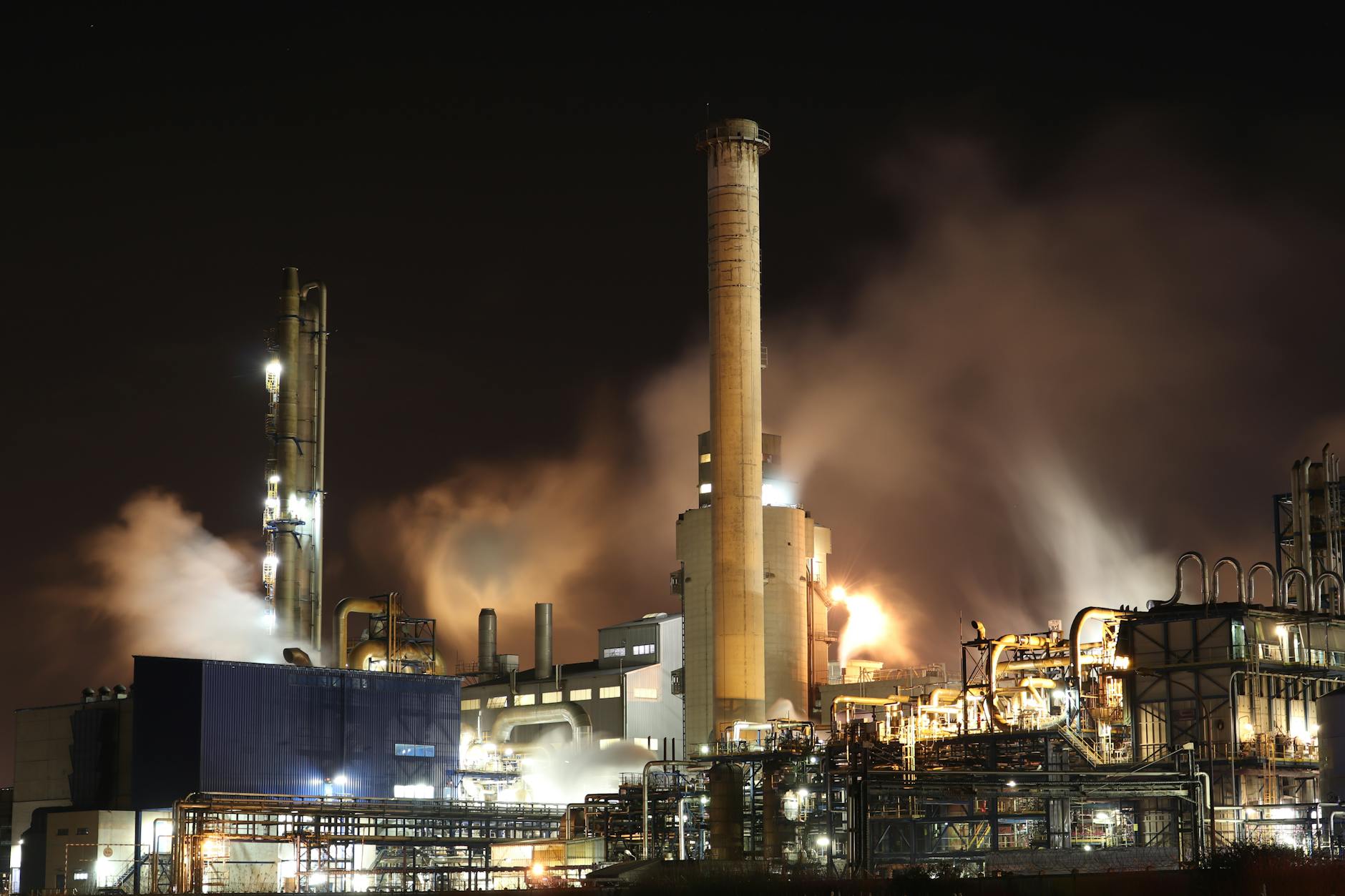
Three years after a landmark agreement in Dubai to transition away from fossil fuels, the crucial question of 'how' remained unanswered. Now, Brazil, host of last year's COP30 climate summit, has stepped forward with a detailed roadmap. This ambitious plan aims to guide countries in assessing their reliance on fossil fuels and designing tailored solutions to phase them out over the next decade. It emphasizes that every nation must act now to curb global warming and safeguard our planet's future, stressing that a shift to cleaner energy is an immediate necessity, not a distant dream.
The global community made a promise in Dubai to move away from fossil fuels, yet the practical steps for this massive shift were left largely undefined. Brazil, taking the lead after hosting the COP30 summit, has now unveiled a comprehensive roadmap. This plan offers countries a clear strategy to reduce their economies' reliance on oil, gas, and coal over the coming decade, aiming to accelerate the essential transition to a sustainable future. As economist Ana Toni, CEO of COP30, stresses, "Every country needs to start now."
While the world grappled with what a "fossil fuel transition" truly means—with some nations, like Saudi Arabia, seeking to dilute the Dubai pledge—Brazil's initiative is a bold step forward. Its roadmap is voluntary, sidestepping complex negotiations at UN summits, and also tackles ending deforestation. This proactive approach ensures progress can continue, even when global consensus is hard to achieve, reinforcing Brazil's commitment to vital environmental action.
The roadmap unfolds in three key phases. Initially, over the next two years, countries will evaluate their fossil fuel dependence and their capacity for green transformation, leading to customized policies. The second phase will involve assessing climate progress against the critical Paris Agreement goal of limiting global warming to 1.5 degrees Celsius (2.7 degrees Fahrenheit). Finally, from 2031 to 2033, the focus will intensify on reducing fossil fuel supplies, with widespread adoption of these measures expected by 2035.
This undertaking is monumental. Reports indicate that emissions must drop 18% by 2030 to achieve the 1.5°C target, yet few countries are phasing out fossil fuel subsidies, and some continue to explore new production. Brazil's re-election of President Luiz Inácio Lula da Silva, who champions climate action, signifies a strong national commitment, further evidenced by the country's lowest deforestation rate on record last year. These national efforts are crucial for building global momentum.
Even as upcoming climate talks at COP31 next week focus on electrification and methane emissions, Brazil's roadmap ensures the overarching goal of shifting from fossil fuels remains central. This plan highlights that the move to clean energy is not a future possibility but a current necessity. By providing a tangible pathway, Brazil is making it clear that a fossil-free world is achievable and essential for tackling the urgent climate crisis.