This California program is changing lives and cleaning air. [EVs]

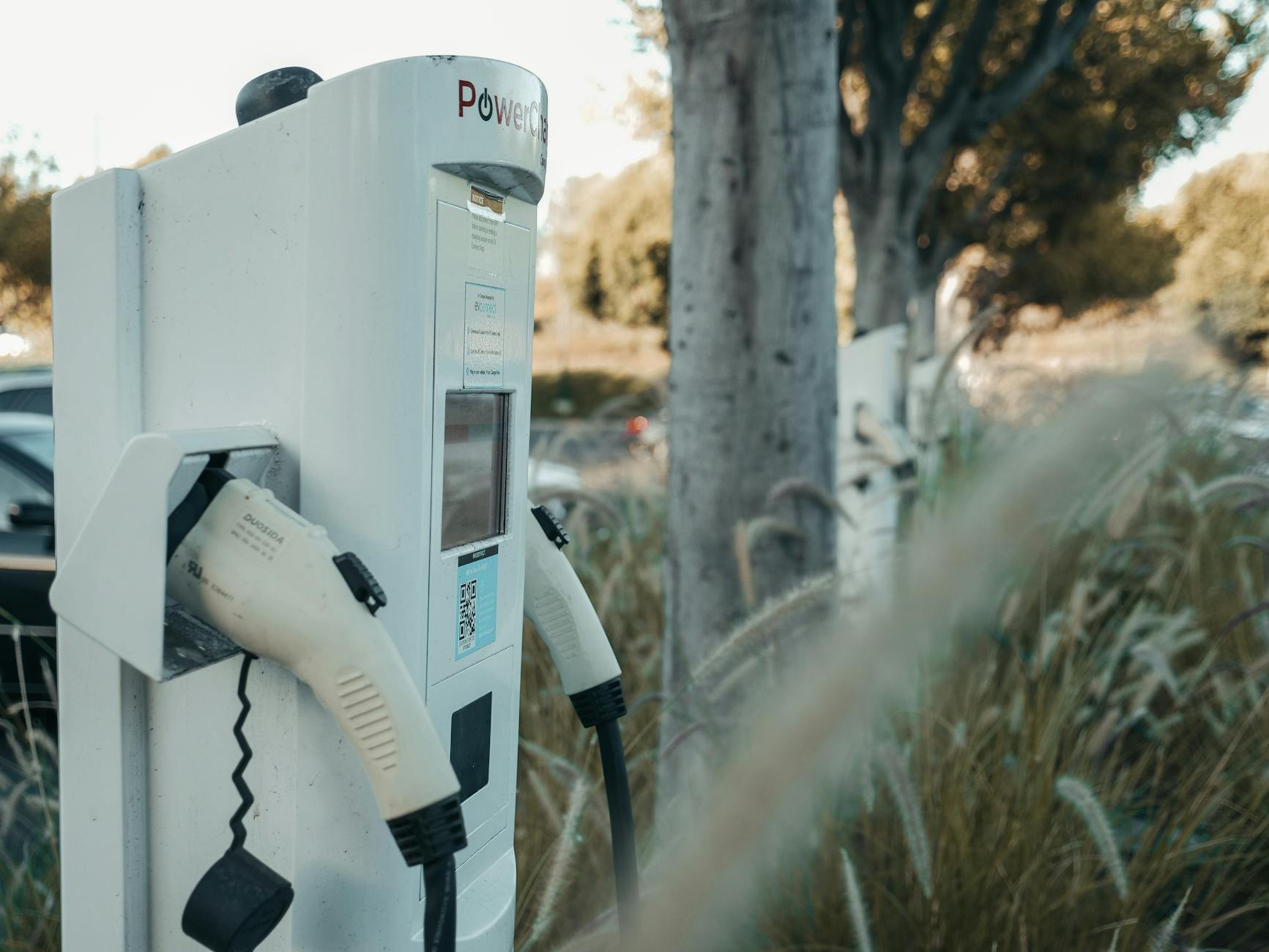
In areas of California where reliable transportation is a major hurdle, particularly for low-income residents, a new car-sharing program is making a big difference. Míocar offers affordable access to electric vehicles (EVs), helping communities overcome challenges like infrequent public transit and high fuel costs. This initiative not only connects people to essential services like healthcare, work, and healthy food, but also actively combats air pollution and carbon emissions. By prioritizing clean, electric options, Míocar showcases how sustainable solutions can directly improve quality of life and push forward California's climate goals.
For many residents in California's Central Valley and coastal towns like Watsonville, getting around can be incredibly tough. With public transportation often slow and infrequent, and personal cars out of reach for many low-income families, access to vital services like doctors, jobs, and fresh food becomes a daily struggle. This issue is compounded by decades of heavy reliance on gas and diesel vehicles, making these regions some of the most air-polluted in the country due to trapped emissions.
Enter Míocar, a state-subsidized, non-profit electric car-sharing program designed to tackle both these problems. For a low fee of $20 to join and just $4 an hour, residents can rent a clean electric vehicle, often a Chevy Bolt or Hyundai Kona. These cars are conveniently located near homes, community centers, and hospitals, offering a lifeline for crucial trips that might otherwise be impossible. For instance, Angel Josue Martínez Acosta relies on Míocar to get to important medical appointments 90 miles away in San Francisco, a journey that would take five hours by public transport.
Míocar's impact goes beyond individual trips. A 2021 study from the UC Davis Institute of Transportation Studies revealed that a large portion of low-income users were making trips they simply couldn't have otherwise, with 41% specifically citing healthcare as the reason. This highlights how accessible electric transport bridges critical gaps, improving quality of life and reducing reliance on polluting vehicles. The program also supports California's ambitious climate goals, helping the state cut its climate pollution by 21% between 2000 and 2023, even as its economy grew significantly.
Funded by the state's California Climate Investments program, which gets its money from the cap-and-invest system, Míocar is a prime example of how environmental action benefits everyone. These funds incentivize industries to reduce emissions and support projects that improve public health and local economies. While challenges like charging station vandalism in places like Richmond exist, efforts are underway to build more resilient infrastructure. Ensuring reliable public charging is key, as it's crucial for expanding electric vehicle use nationwide and achieving a cleaner transportation future.