This Solar Farm Isn't for Homes; It's Powering Your Water

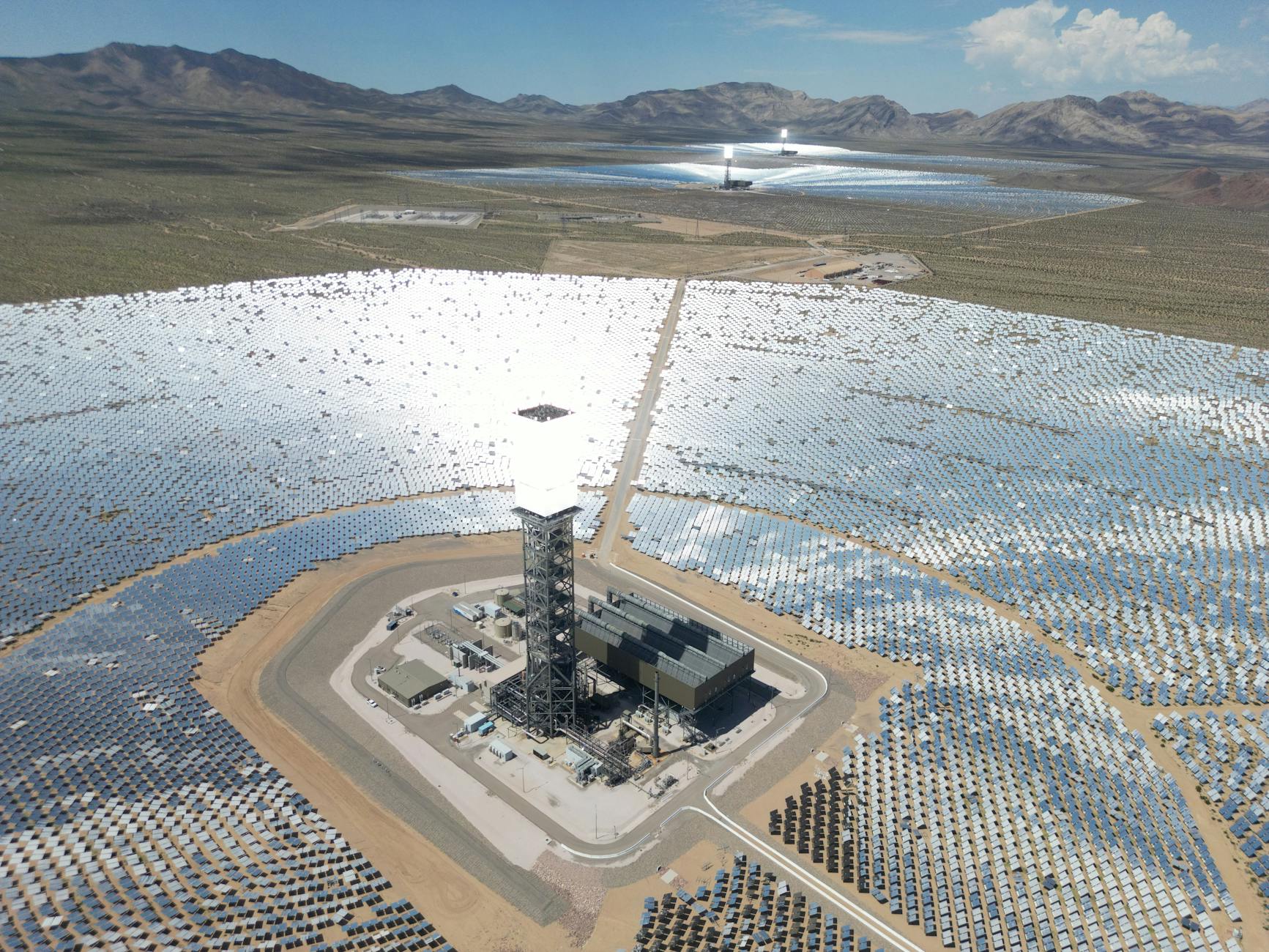
California's vital Edmonston Pumping Plant, a massive energy user delivering water to 27 million people, is getting a green upgrade. The new Pastoria Solar Project, a 105-megawatt facility, marks a significant step towards the California Department of Water Resources' goal to achieve carbon-neutral operations by 2035. This initiative underscores California's commitment to combating climate change by electrifying essential services with sustainable solutions. By reducing reliance on fossil fuels, this project helps ensure a more resilient and environmentally friendly water supply for millions.
The Edmonston Pumping Plant, a critical part of California's water delivery system, has long been one of the state's largest power consumers, lifting water nearly 2,000 feet to serve much of Southern California. With its 14 powerful pumps, it requires a tremendous amount of electricity to operate. However, a new chapter has begun with the completion of the Pastoria Solar Project, located just across from the plant.
This 105-megawatt solar farm, developed by Calpine, is the largest renewable energy contract for the California Department of Water Resources (DWR). It's a key part of DWR’s ambitious plan to fully decarbonize its operations by 2035, setting a high standard for public agencies nationwide. The shift to solar power directly addresses the urgency of global warming, significantly cutting the carbon footprint of this essential service.
While the pumping plant will continue to draw from the main state grid, the DWR has secured a 20-year agreement for the clean energy produced by Pastoria. The solar plant also benefits from co-location with a soon-to-be-finished 80-megawatt battery storage system, which will store excess solar power for use when the sun isn't shining. This combination ensures reliability, providing a stable, clean energy source that outperforms traditional fossil-fuel alternatives in environmental impact.
This project is especially timely as California faces increasing energy demands, alongside federal policy shifts away from renewable energy incentives. State officials highlight that projects like Pastoria are crucial for quickly adding clean power and staying on track with climate goals. With about half of the State Water Project's energy needs already met by hydropower, these new solar efforts, including the upcoming 100-megawatt Kyan solar project, are vital for completing the transition.
While the primary goal is decarbonization rather than immediate cost savings, the move towards clean energy reflects a deep understanding of climate change's impacts. As one DWR official noted, seeing the effects of climate change firsthand provides a “vested interest in doing what we can to protect the state.” Though there are concerns about potential cost increases for ratepayers, the long-term benefits of a sustainable, carbon-neutral water supply system far outweigh these challenges, ensuring reliable water delivery while protecting our environment.