This Tennessee ranch found a surprising partner for clean energy.

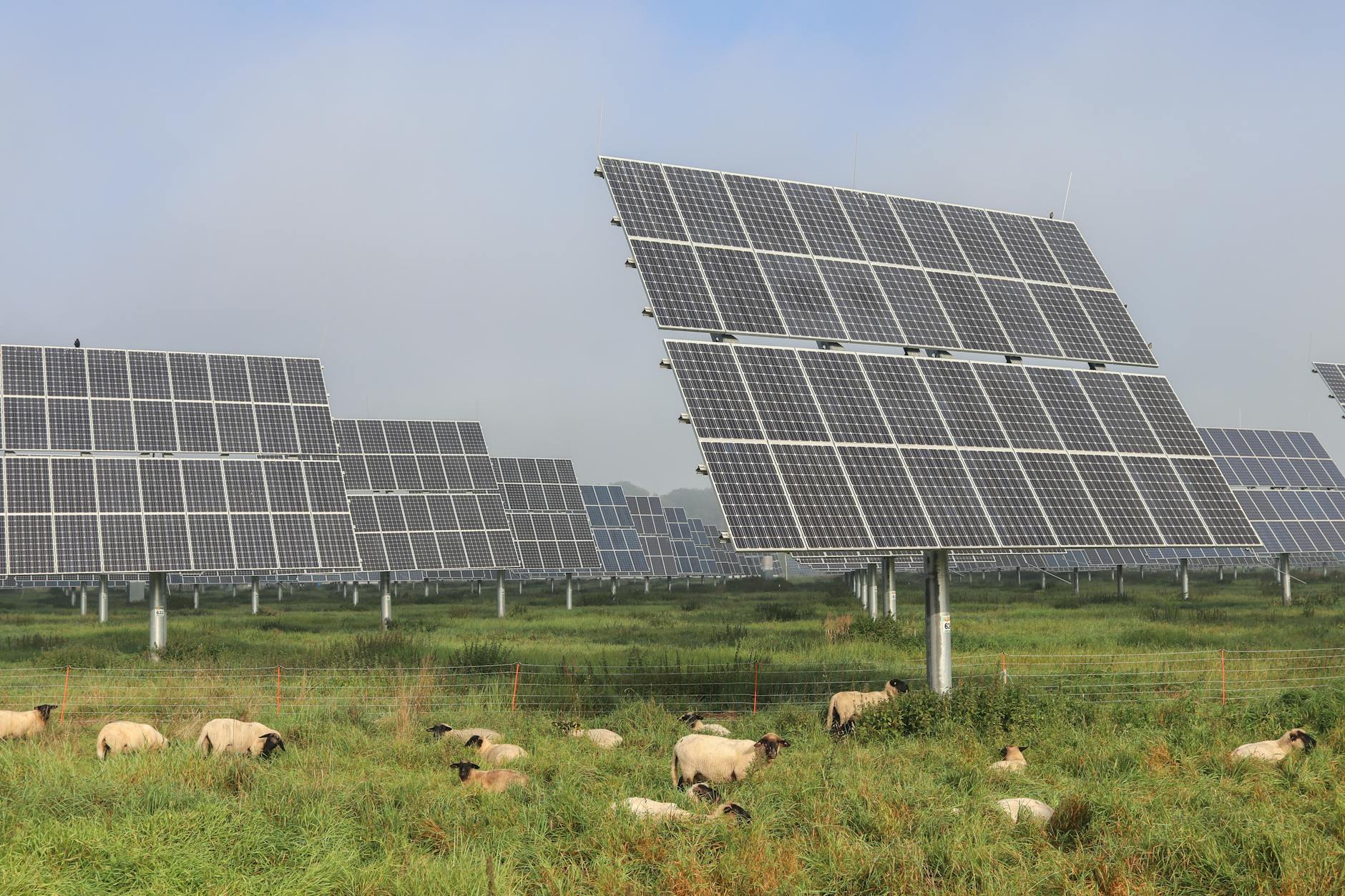
In a groundbreaking move, a solar farm in central Tennessee is showcasing a new frontier in sustainable energy: grazing cattle directly under solar panels. Silicon Ranch's innovative project in Christiana aims to prove that large herds can thrive on these "solar ranches," offering a win-win solution for farmers and the environment. This approach promises clean electricity to meet rising demand, especially from data centers, while helping farmers keep their land productive and profitable. It’s a compelling step towards a future where renewable energy and agriculture work hand-in-hand, significantly reducing carbon emissions.
From a distance, the 40-acre solar farm in Christiana, Tennessee, might look like many others popping up across America. But look closer, and you'll see something unique: lush green pasture beneath the rows of black panels, where a small herd of cattle happily grazes and rests in the shade.
This isn't just a pretty sight; it's a vital experiment by Silicon Ranch to expand "agrivoltaics" – the practice of combining agriculture with solar power. While sheep and crops have successfully shared space with solar panels, proving that large cattle herds can thrive here could unlock massive potential. It offers a way to generate much-needed clean electricity to power our rapidly growing world, including data centers, without adding climate-warming carbon emissions or sacrificing valuable farmland. It also helps cattle producers secure their livelihoods, making this a smart step for both the planet and people.
Grazing large cattle under solar panels comes with its own set of challenges, mainly due to their size compared to the equipment. Silicon Ranch addressed this by slightly raising panels and developing smart software that can tilt the panels almost horizontally, giving the cattle plenty of room to roam and relax. The herd is rotated between different areas every few days, ensuring a steady supply of about 5 megawatts of clean electricity while maximizing grazing opportunities.
This approach offers significant benefits for farmers who are often struggling with tight margins. Leasing land for solar grazing can provide a stable, higher income than traditional farming alone, helping them diversify and maintain their land. Beyond the financial perks, there are ecological advantages too: the shaded pastures retain more moisture, making them more resilient to drought, and the cattle experience less heat stress, leading to better health and growth. Experts are calling it a clear "win-win" for sustainability.
As our world shifts towards cleaner energy, combining solar power with agriculture represents a powerful strategy for sustainable land use. It proves that we can meet our growing energy needs with electrification and renewable solutions without compromising our agricultural heritage. Such innovative projects are crucial for protecting our environment, ensuring food security, and supporting rural communities in the face of climate change.